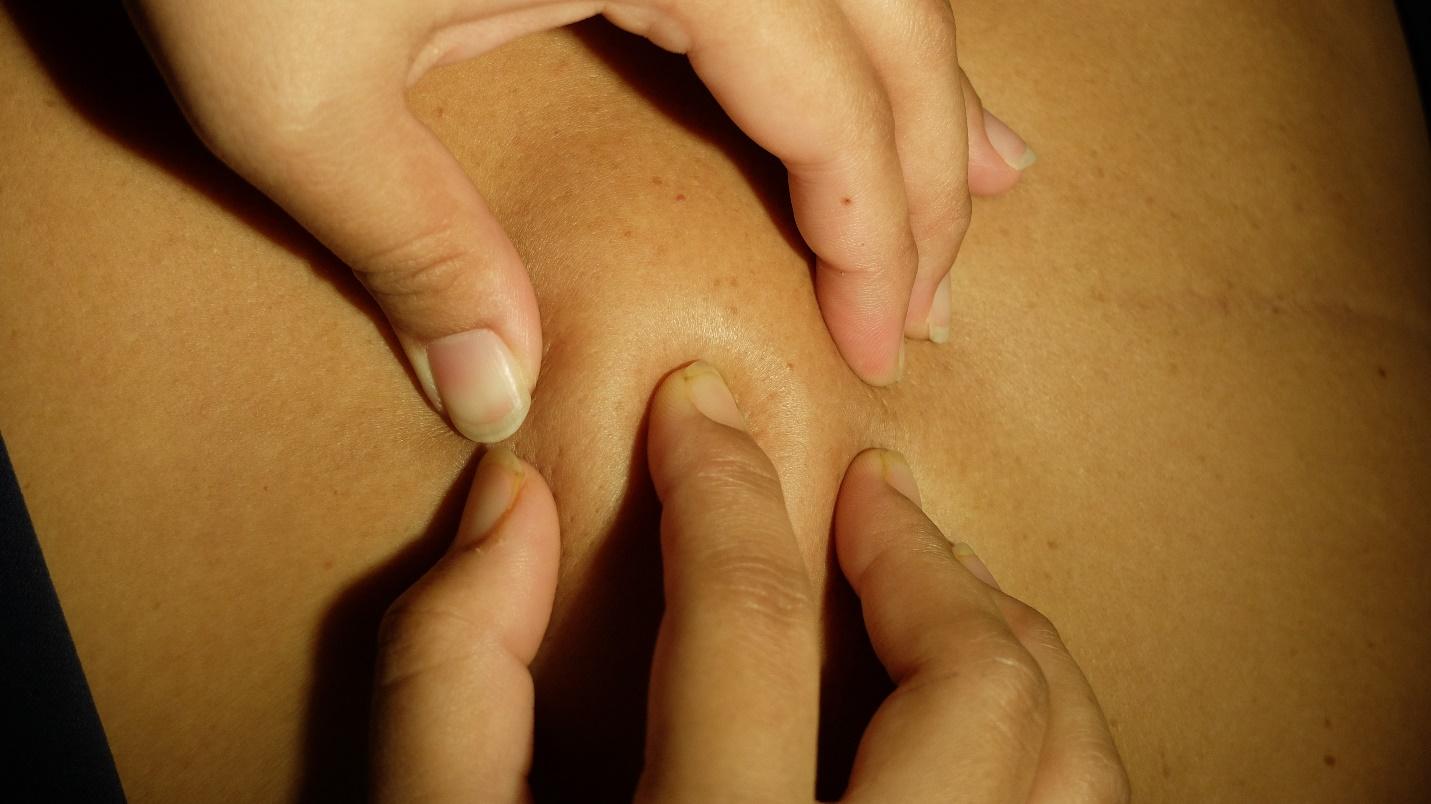
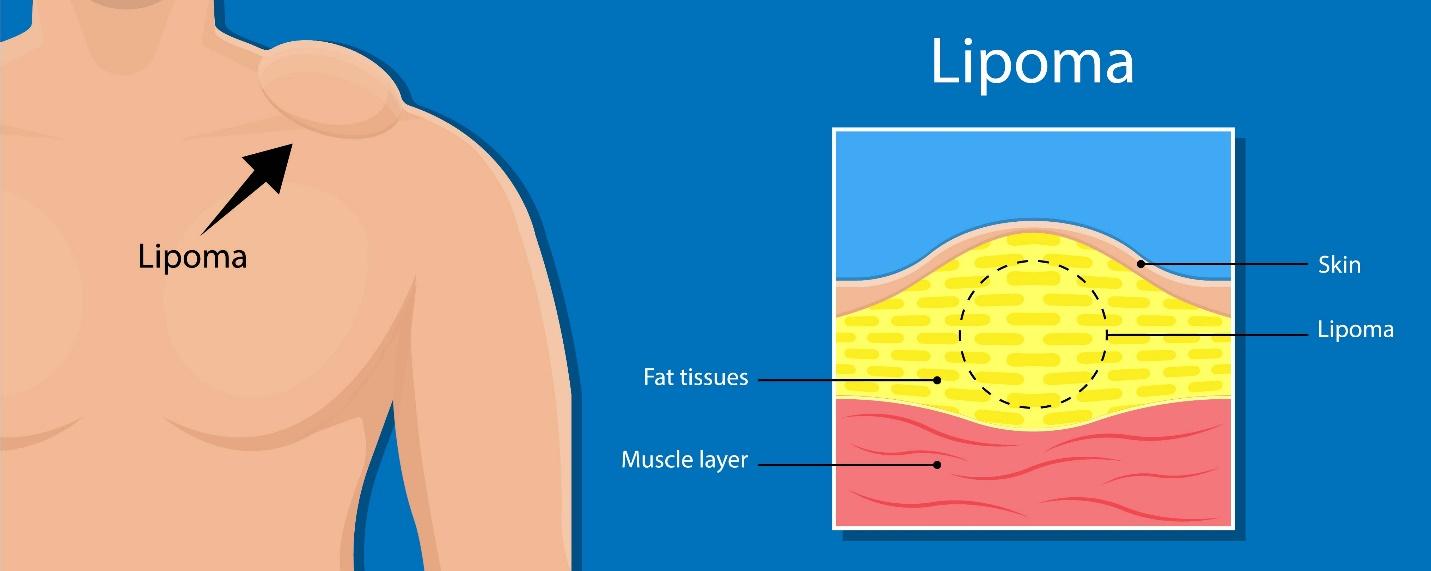
A lipoma is a benign (non-cancerous) growth of fat cells (bukol na taba) that develops beneath the skin. It is typically soft to the touch, slow-growing and can often be moved slightly when pressed.
Lipomas can occur anywhere on the body where fat tissue is present, most commonly on the torso, neck, shoulders and upper limbs.
In many cases, they are painless and harmless. However, some individuals may notice gradual enlargement, discomfort or cosmetic concerns over time.
Lipomas are among the more common benign soft tissue lumps seen in clinical practice. Many people initially ignore them, especially when they are small or painless.
However, assessment becomes important when:
While most lipomas are benign, distinguishing them from other types of growths may require clinical evaluation. In some cases, removal is recommended for diagnostic clarity, symptom relief or peace of mind.

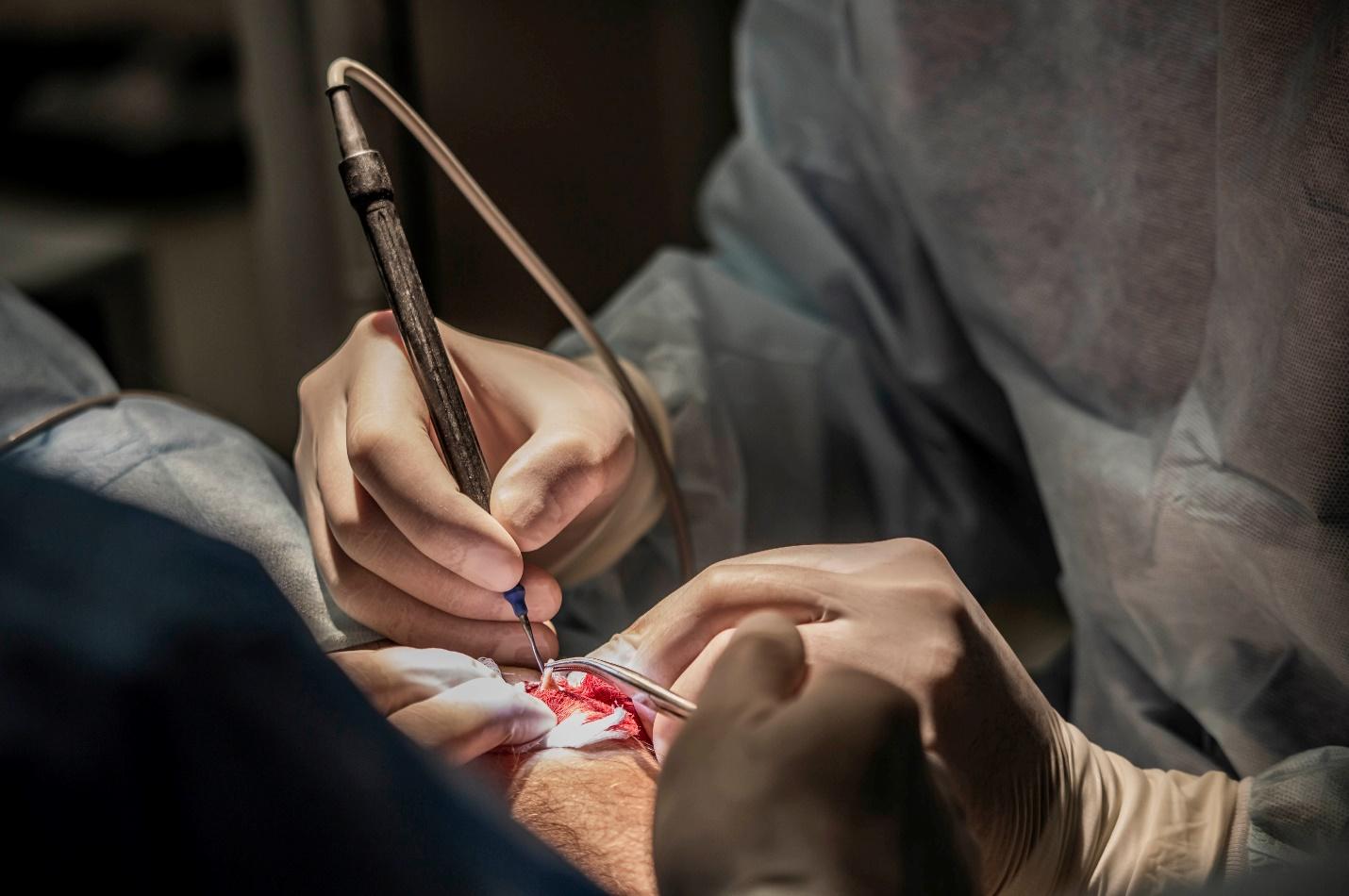
Lipoma removal is a minor surgical procedure that involves removing the lump through a small incision. The most definitive method is surgical excision, which removes the lipoma entirely along with its capsule.
The procedure is commonly performed as a day surgery, meaning patients can usually return home on the same day.

The procedure is typically considered when the lump:
In many cases, the decision to remove a lipoma is also patient-driven, especially when it affects comfort or confidence.

Lipoma removal is performed in a structured and controlled manner to ensure both safety and precision. Patients can expect:

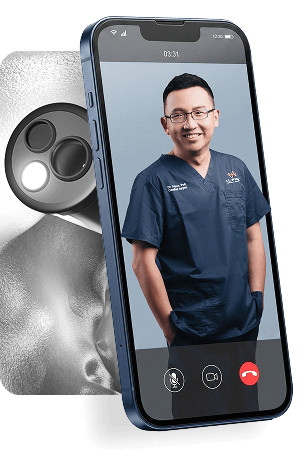
For patients travelling from the Philippines to Singapore, a pre-travel teleconsultation may be arranged prior to your visit. This allows your symptoms, condition and any available medical records or imaging to be reviewed in advance so that preliminary advice and treatment planning can be discussed before you travel.
Our team may also assist with coordinating appointment scheduling, estimated treatment timelines and any relevant documentation required for your visit. Guidance regarding hospital admission arrangements, recovery planning and post-treatment follow-up may also be provided to help patients prepare for treatment with greater clarity and reassurance.
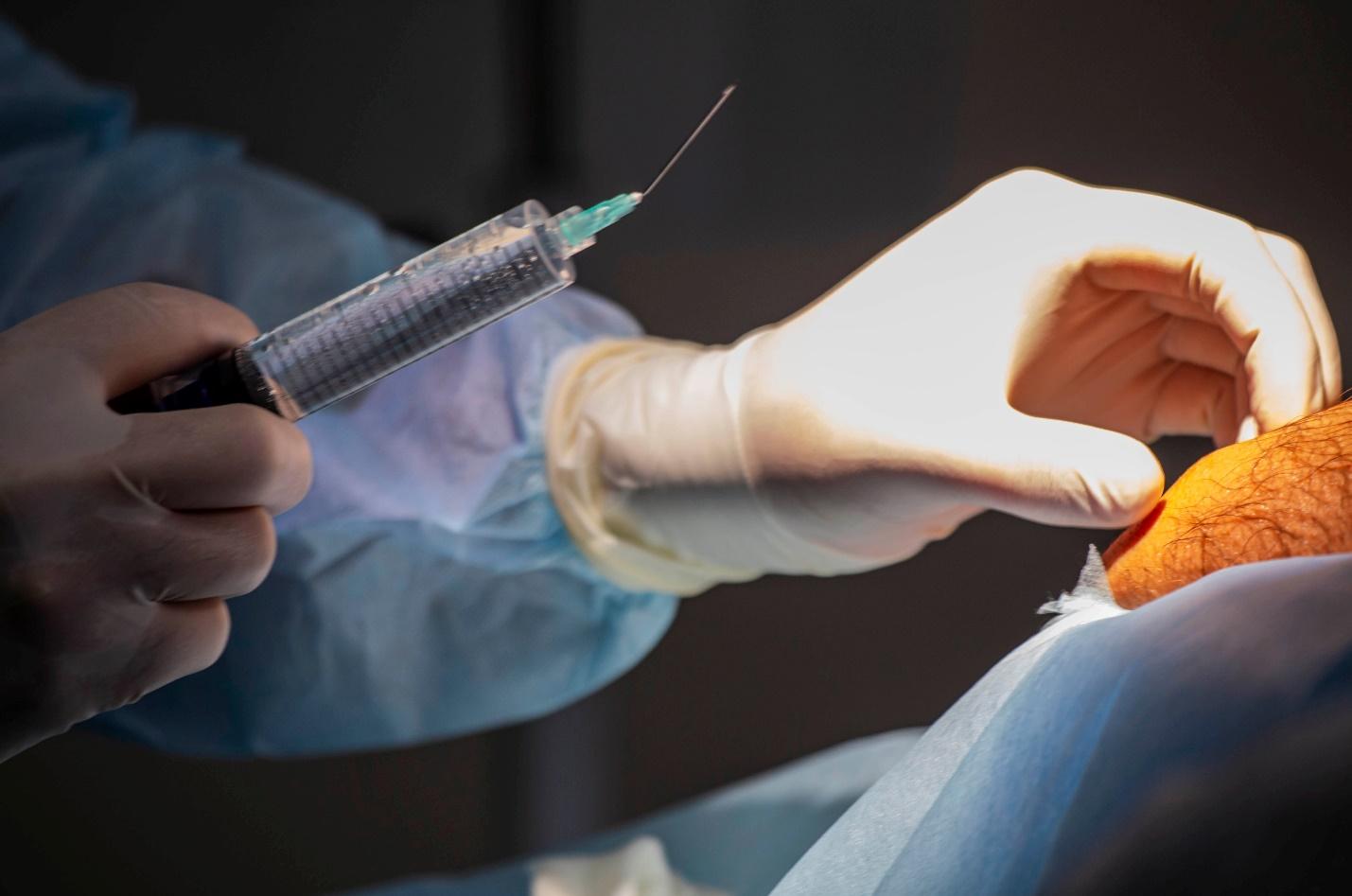
The area is assessed and the appropriate type of anaesthesia is determined based on the size and location of the lipoma.
The procedure is carried out in a careful, step-by-step manner to allow for complete removal while minimising surrounding tissue disruption.
Smaller, superficial lipomas are usually removed under local anaesthesia, while larger or deeper ones may require general anaesthesia.
If there are any uncertainties about the nature of the lump, the removed tissue may be sent for further analysis to confirm the diagnosis.
Recovery is generally straightforward. Most patients can return home on the same day and resume normal activities within a short period.
You may experience:
The wound typically heals within 1 to 2 weeks, depending on the size and location of the lipoma


Lipoma removal is considered a safe and routine procedure when performed by an experienced surgeon.
Possible risks, though uncommon, include:
These risks are generally manageable and rarely lead to long-term complications.
Although lipomas are benign and unlikely to become cancerous, they can sometimes be difficult to distinguish from other types of growths based on appearance alone.
Certain features, such as rapid growth, firmness or fixation, may require closer evaluation to rule out other conditions.
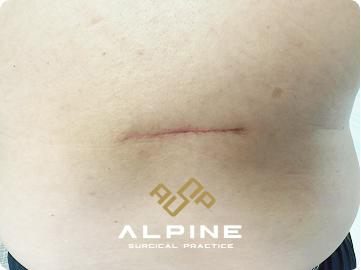
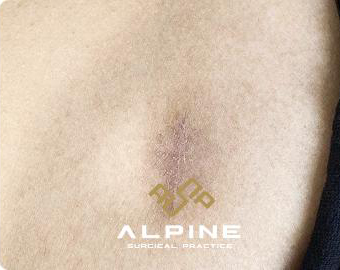
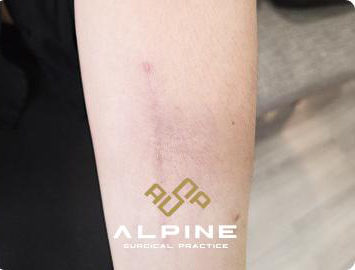
Lipoma removal may appear straightforward, but outcomes can vary depending on factors such as surgical technique, completeness of excision and attention to scarring, particularly for visible areas like the neck, arms or upper body.
Seeking care in Singapore allows patients to benefit from:
Most lipoma removals are performed as day procedures, allowing for a short, well-planned visit without extended downtime. For patients balancing work, travel and recovery, this offers a more predictable and efficient experience.

Most lipomas are benign, slow-growing fatty lumps that do not require emergency treatment. However, earlier assessment or more urgent removal may sometimes be recommended when certain symptoms or clinical concerns develop, such as:
Depending on the size, location and complexity of the lump, assessment may involve ultrasound, MRI or histological examination after removal to confirm the diagnosis accurately.

At Alpine Surgical Practice, the focus is not simply on removing a lump but on ensuring that each step, from assessment to recovery, is clinically appropriate and clearly explained.
Your care begins with a consultation to evaluate the characteristics of the lump, your symptoms and whether removal is necessary. Where appropriate, this can be arranged before travel, allowing you to plan your visit with greater certainty.
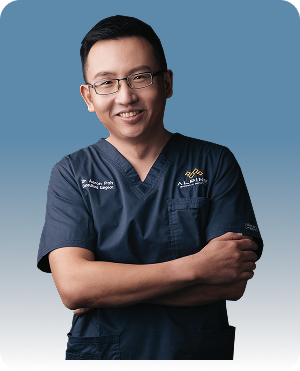
The procedure is performed in Singapore by Dr Aaron Poh, with attention to both complete removal and cosmetic outcome. After the procedure, you will receive clear guidance on wound care, recovery expectations and whether any follow-up is required.
If you have a persistent or changing lump, arranging a consultation allows you to move forward with clarity, reassurance and a defined plan, rather than continued uncertainty.
Dr Aaron Poh is a fully accredited General Surgeon with dual subspecialties in Colorectal Surgery and Trauma Surgery, recognised by Singapore’s Specialist Accreditation Board and Ministry of Health. He is the Medical Director of Alpine Surgical Practice, with clinics located at Mount Elizabeth Hospital, Parkway East Hospital, and Farrer Park Hospitals.
Dr Aaron Poh has extensive experience, having performed over 5,000 endoscopic procedures. He is a strong advocate for early detection through colonoscopy, particularly for individuals at risk of colorectal cancer. His expertise includes advanced endoscopic techniques such as Endoscopic Mucosal Resection (EMR) for complex polyps and colonic stenting for obstructed cancers, which help patients avoid major emergency surgery.
When surgery is required, he specialises in minimally invasive laparoscopic colorectal cancer surgery, offering patients faster recovery with less pain and scarring. In addition to cancer care, he manages a wide range of anal conditions including haemorrhoids, fistulas, fissures, and abscesses, providing comprehensive colorectal treatment.
Copyright © Alpine Surgical Practice | Terms & Conditions