20+ years
of experience
5000+ scopes performed
Fellowship-trained colorectal surgeon
500+ filipinos treated in singapore

What are Gallstones?

Gallstones, or batong apdo, are increasingly encountered across many Asian populations, including the Philippines, particularly alongside rising rates of obesity, metabolic syndrome and diet-related digestive conditions.

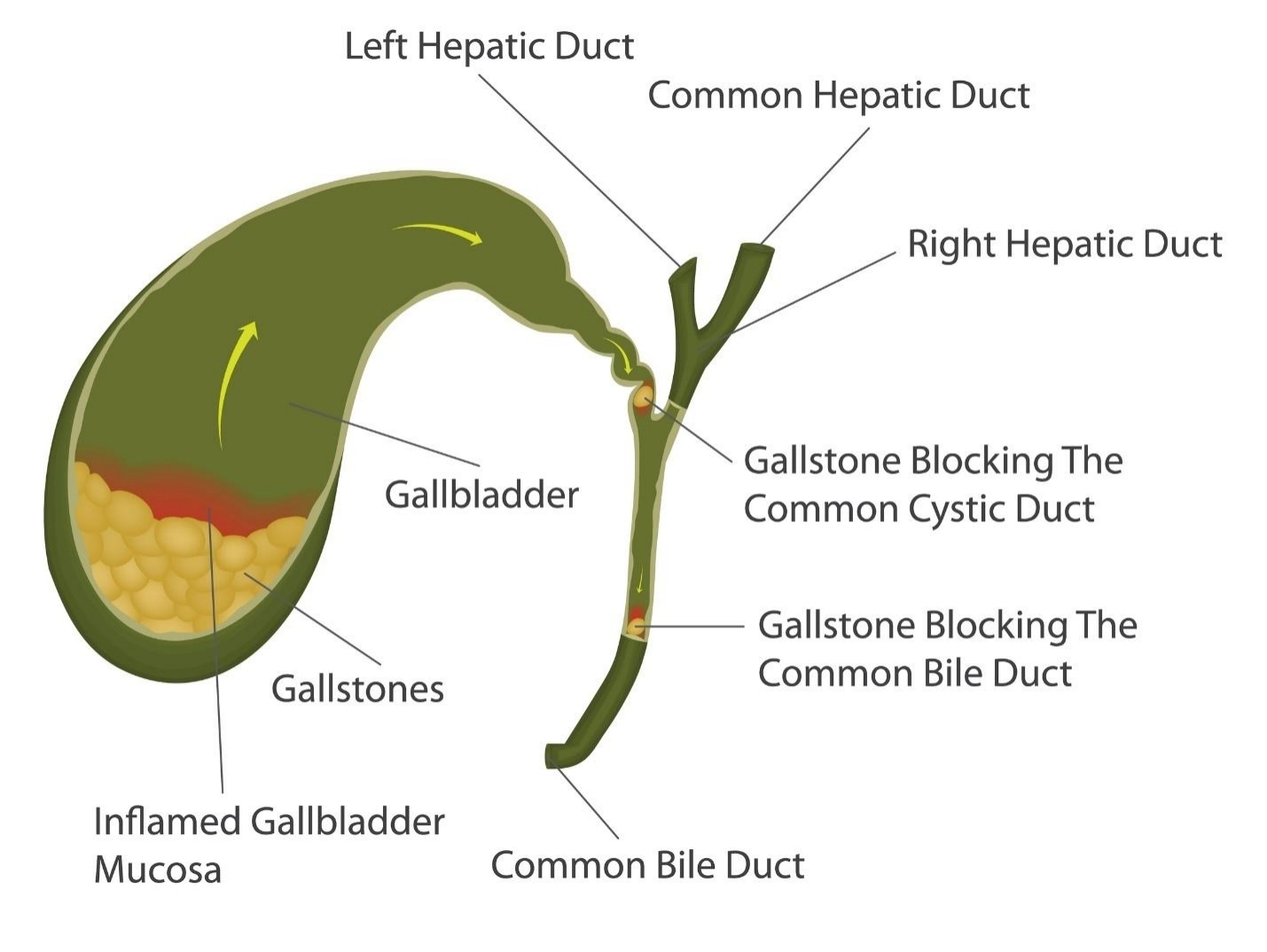
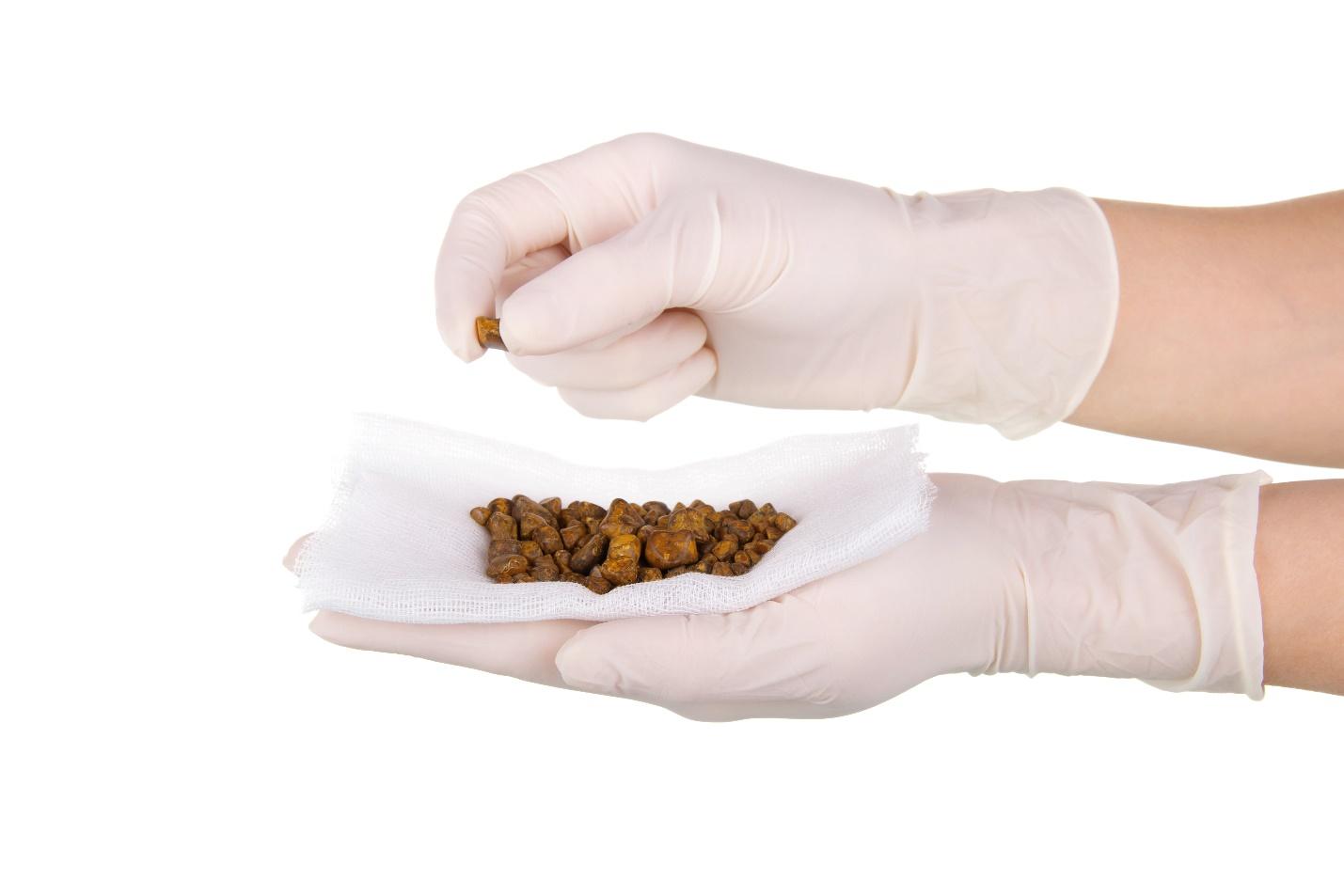
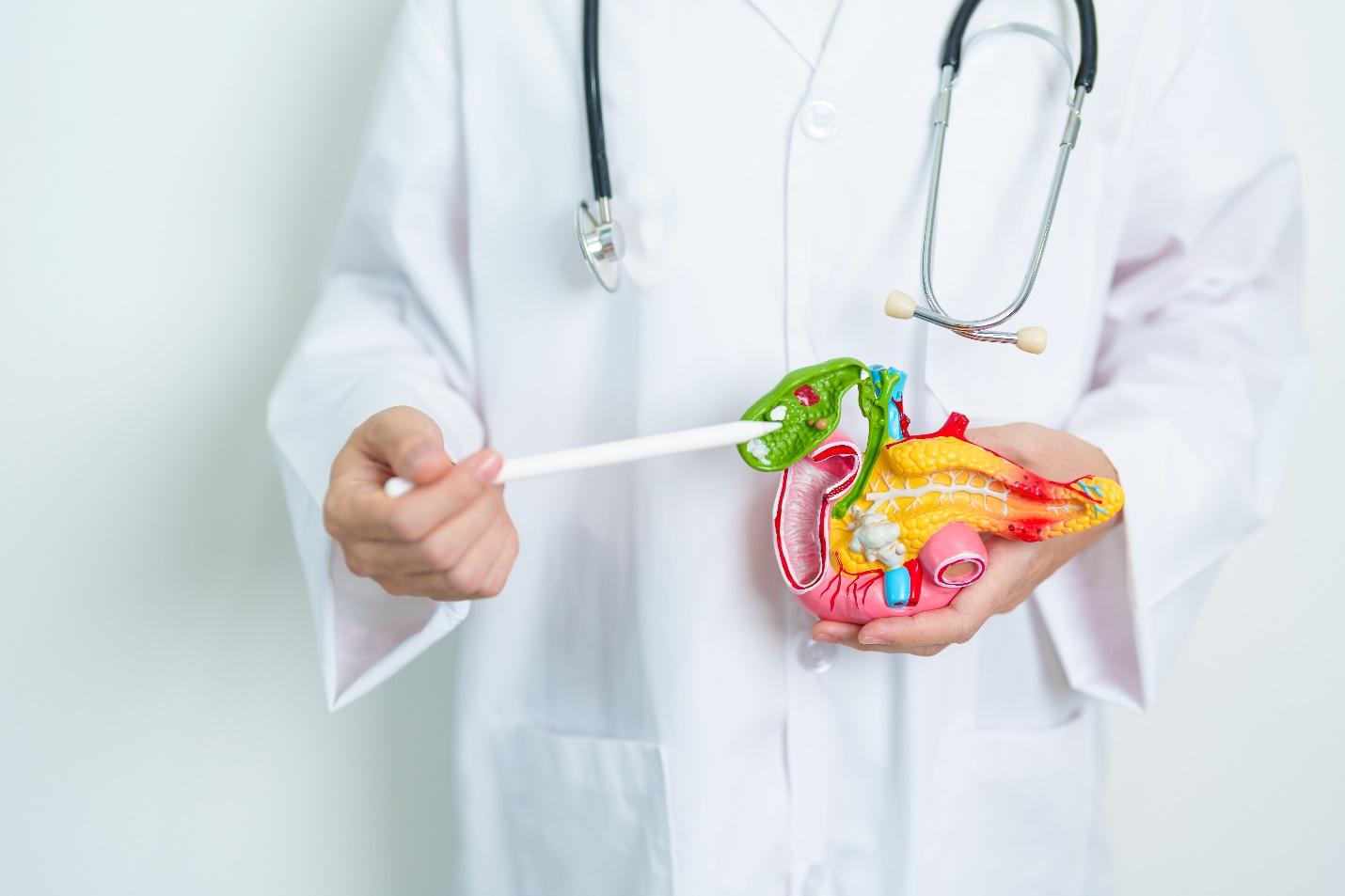
They are hardened deposits that form within the gallbladder, a small organ beneath the liver that stores bile used for digestion. They can range from tiny particles to larger stones that can block bile flow.

The two main types are:

  • Cholesterol stones– the most common type, formed from crystallised cholesterol in bile
  • Pigment stones– darker stones associated with excess bilirubin and certain blood-related conditions

Many people only discover they have gallstones incidentally during scans for unrelated abdominal symptoms. However, once symptoms develop, gallstones can begin affecting digestion, daily comfort and overall quality of life.

When should gallstones be treated?

Not all gallstones require immediate surgery. Some individuals with silent gallstones may remain symptom-free for years.

However, treatment becomes important when gallstones begin causing symptoms, such as:

  • Pain in the upper right or central abdomen
  • Pain occurring after oily or heavy meals
  • Bloating
  • Nausea or vomiting (link to nausea & vomiting)
  • Pain radiating to the back or right shoulder
  • Fever or chills
  • Jaundice (yellowing of the eyes or skin)

In some patients, symptoms may initially appear mild or intermittent before progressing gradually. Delaying treatment after recurrent attacks may increase the risk of complications such as gallbladder infection, bile duct obstruction or pancreatitis.

Dr Aaron Poh

Consultant Surgeon
& Colorectal Specialist
Alpine Surgical Practice · Singapore
book consult

International Support

From your first consultation to your flight home, our team helps coordinate every step of your visit.
book now

Why accurate diagnosis matters

Gallstone symptoms can sometimes resemble other digestive conditions, including gastritis, acid reflux (link to heartburn & acid reflux) or peptic ulcer disease. For this reason, proper evaluation is important before deciding on treatment. Assessment may involve:

  • Ultrasound imaging to detect gallstones
  • Blood tests to assess inflammation or bile duct obstruction
  • Computed Tomography (CT) scan or Magnetic Resonance Imaging (MRI) in selected cases
  • Gastroscopy to exclude stomach-related (link to stomach pain & discomfort) causes of symptoms

This allows treatment to be planned more accurately and appropriately.

Treatment depends on whether gallstones are silent, symptomatic or causing complications.

How are gallstones treated?

The treatment depends on the severity of symptoms, stone location and whether complications have developed. This involves:

Non-surgical management

In selected situations, conservative treatment may be considered:

  • Observation for silent gallstones without symptoms
  • Dietary modification to reduce symptom triggers
  • Medication to dissolve certain cholesterol stones
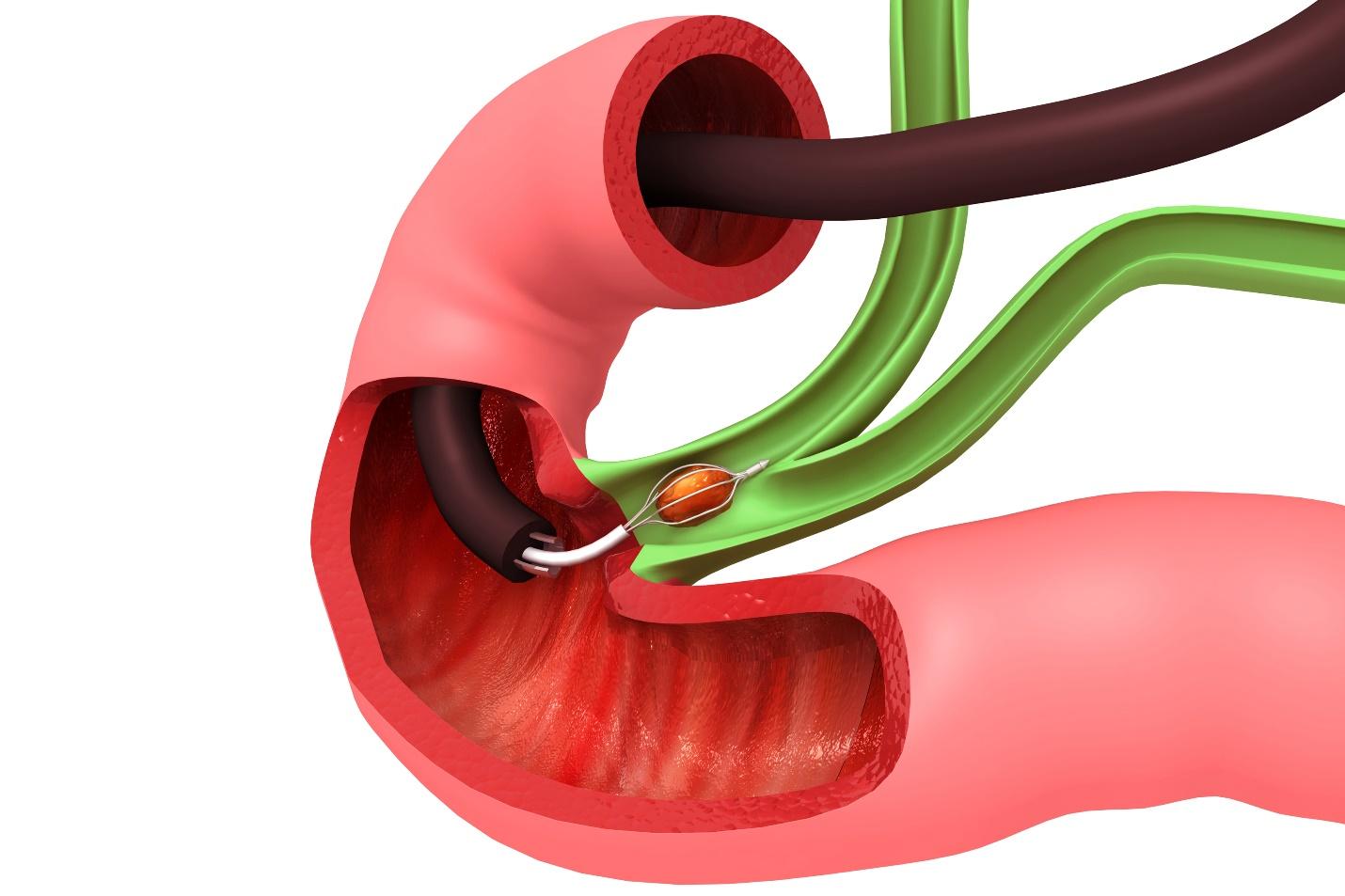
  • ERCP procedures to remove stones blocking the bile duct

However, non-surgical treatment is usually reserved for carefully selected patients and may not fully prevent recurrence.

Surgical treatment (Cholecystectomy)

For symptomatic gallstones, the most standard surgical treatment is gallbladder removal surgery (cholecystectomy) or pag-aalis ng apdo. Removing only the stones without the gallbladder often leads to recurrence and is only performed in certain parts of the world

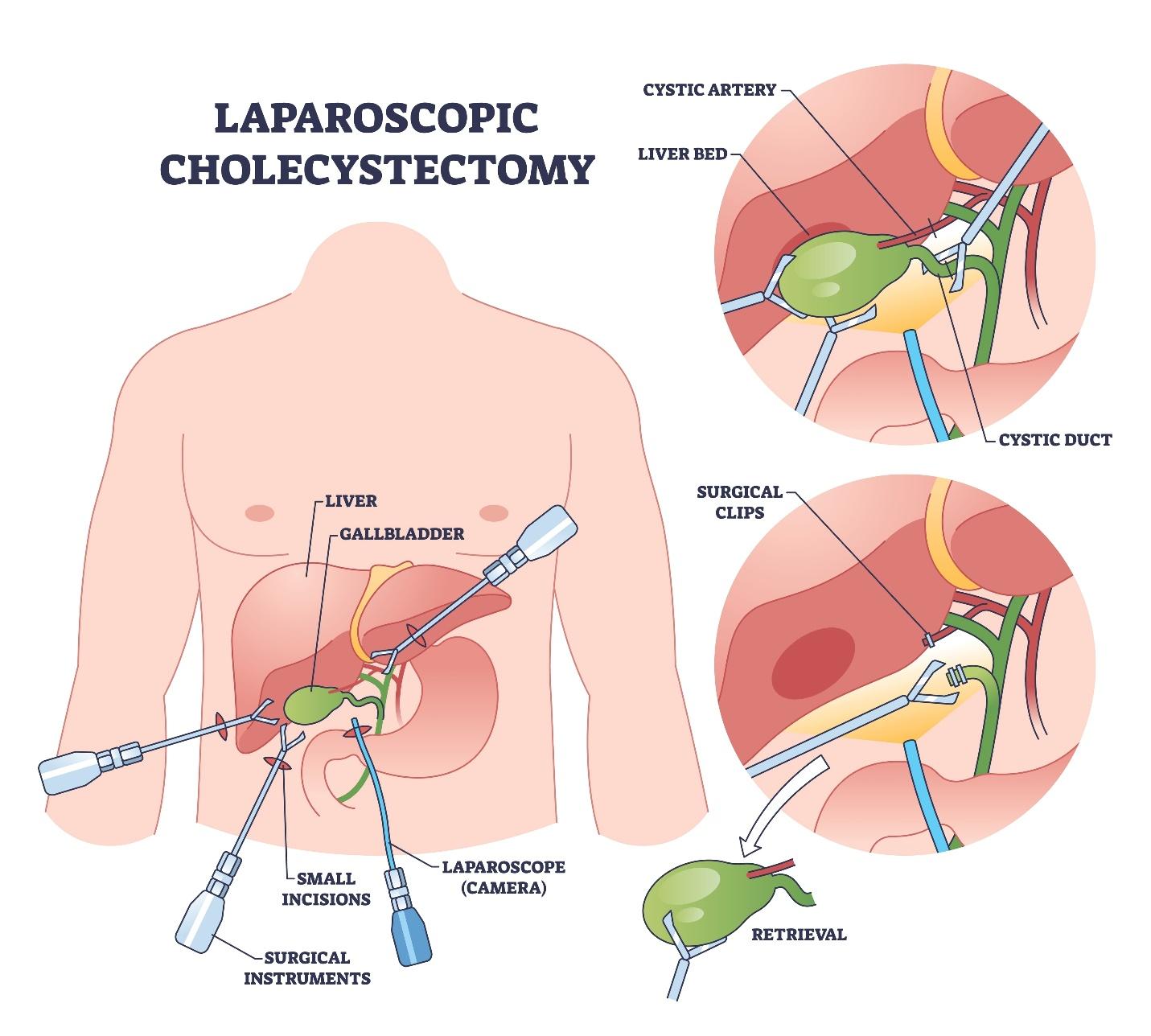
Most surgeries in Singapore are performed laparoscopically (keyhole surgery), which is associated with:

  • Smaller wounds and reduced scarring
  • Less post-operative pain
  • Faster recovery and shorter hospital stay
  • Lower wound complication rates

The gallbladder is removed entirely, together with the gallstones contained within it. Most patients are still able to digest food normally after recovery.

Now accepting patients from the Philippines

Ready to take the first step?

Start with a video call
to discuss your symptoms, or get our free trip planning checklist to prepare for your visit to Singapore.

What to expect during gallstones removal surgery

Before deciding on surgery, a detailed assessment is performed to determine the most appropriate and safest treatment approach for your situation.

Laparoscopic gallbladder surgery is commonly performed as a minimally invasive day or short-stay procedure.
Before your travel

For overseas patients travelling from the Philippines to Singapore, a pre-travel teleconsultation may be arranged before your visit. This allows your condition, symptoms and available medical records or imaging to be reviewed in advance so that preliminary recommendations and treatment planning can be discussed before you travel.

Our team can also assist with coordinating appointment scheduling, estimated treatment timelines and documentation required for your visit. Guidance regarding hospital admission arrangements, post-procedure recovery considerations and follow-up planning may also be provided to help patients prepare for treatment more comfortably and confidently.

Before surgery

Your condition is assessed carefully to confirm the diagnosis and evaluate surgical suitability. This may involve imaging, blood investigations and review of your medical history.

Patients are usually advised to fast before surgery and may need to temporarily stop certain medications.

During treatment

Management may involve either non-surgical or surgical treatment, depending on the condition.

Non-surgical treatment

  • Oral medication– certain medications, such as deoxycholic acid, may help dissolve selected cholesterol stones in carefully chosen patients.
  • Endoscopic retrograde cholangiopancreatography (ERCP)– a specialised endoscopic procedure used to identify and remove stones blocking the bile ducts, particularly when jaundice or infection develops.

Surgical treatment

  • Sphincterotomy– sometimes performed during ERCP to improve bile drainage and facilitate stone removal.
  • Laparoscopic cholecystectomy– the most common and definitive treatment for symptomatic gallstones. The gallbladder is removed completely using minimally invasive techniques to prevent future attacks and complications.

Gallbladder removal is performed under general anaesthesia. For most patients, laparoscopic surgery allows quicker recovery, less discomfort and smaller scars compared to open surgery.

Real-time surgical decision-making

In cases involving severe inflammation, scarring or complex anatomy, additional surgical adjustments may occasionally be required to ensure safe and complete treatment.

Emergency gallbladder complications

Although many gallstone cases are treated electively, some situations require urgent medical attention. This includes:

  • Acute cholecystitis (gallbladder infection)
  • Cholangitis (bile duct infection)
  • Gallstone pancreatitis
  • Persistent bile duct obstruction

These complications can develop rapidly and may lead to severe infection or tissue damage if left untreated.

Acute gallbladder infection or bile duct blockage may require urgent surgical treatment.

Recovery after gallstones removal

Recovery depends on whether surgery is performed laparoscopically or through an open approach.

For laparoscopic surgery, most patients:

  • Return home within 1 day
  • Resume light activities within several days
  • Recover progressively over 2 to 4 weeks

Temporary symptoms after surgery may include:

  • Mild abdominal discomfort
  • Bloating (link to bloating & excessive gas)
  • Shoulder-tip pain from surgical gas
  • Temporary loose stools after oily meals

Most patients adapt well after gallbladder removal without major long-term dietary restrictions.

Safety and possible risks

Gallbladder removal is considered a safe and well-established procedure when performed by experienced surgeons.
Possible risks, though uncommon, may include:
● Bleeding
● Infection
● Bile leakage
● Injury to nearby structures, such as the bile duct or intestines
● Temporary digestive changes after surgery
Careful surgical planning and appropriate post-operative follow-up help minimise these risks significantly.
Book video consultation

Coming to Singapore for gallstones removal

For many patients travelling from the Philippines, seeking treatment in Singapore is often about obtaining a more definitive and coordinated solution after repeated pain attacks, emergency visits or prolonged uncertainty.

Rather than managing recurring symptoms episodically, patients are able to undergo specialist evaluation, imaging, surgery and recovery planning within a structured and efficient timeframe.

This approach offers:

  • Comprehensive specialist evaluation to confirm whether symptoms are truly gallstone-related
  • Minimally invasive laparoscopic surgery is associated with smaller wounds and faster recovery
  • Accredited private hospital facilities with established surgical and anaesthesia support
  • Coordinated imaging, consultation, surgery and follow-up planning within a structured timeline
  • A clearer treatment pathway that reduces delays between diagnosis and definitive care

Because laparoscopic gallbladder surgery is commonly performed as a short-stay procedure, many patients can complete treatment and early recovery within a relatively brief visit.

For individuals who have been delaying surgery due to uncertainty or recurring temporary relief, this provides greater clarity, reassurance and a more definitive long-term solution.

Care is structured around accurate diagnosis, minimally invasive treatment and coordinated recovery planning.

Your care experience at Alpine Surgical Practice

At Alpine Surgical Practice, care focuses not only on treating gallstones but also on helping patients understand why treatment is recommended and how it supports their long-term health.

Dr Aaron Poh  personally reviews your symptoms, imaging findings and medical history to determine whether surgery is appropriate and whether complications require earlier intervention. This ensures treatment decisions are guided by careful clinical assessment rather than symptoms alone.

If you are experiencing repeated abdominal pain, bloating after meals or recurring gallstone attacks, arranging an early consultation can help clarify your options and reduce the risk of future complications.

Frequently Asked Questions (FAQs)

Everything you need to know about your medical journey
No, silent gallstones without symptoms may sometimes be monitored. However, surgery is usually recommended once gallstones begin causing pain, inflammation or complications.
Many patients seek specialist evaluation, minimally invasive surgery, accredited hospitals and faster access to coordinated treatment within a shorter timeframe.
In most cases, treatment involves removing the gallbladder itself because stones commonly recur if only the stones are removed.
Most patients experience manageable discomfort rather than severe pain. Smaller incisions used in laparoscopic surgery generally support faster recovery and less post-operative discomfort.
Many patients require only a short stay of several days, depending on recovery progress and follow-up needs.
Untreated symptomatic gallstones may lead to complications such as gallbladder infection, bile duct obstruction, pancreatitis or severe abdominal pain attacks.
Most patients gradually return to a normal diet after recovery. Some individuals may temporarily notice loose stools or sensitivity to oily meals initially.
Gallstone symptoms can overlap with gastritis or acid reflux. Proper assessment, including imaging and sometimes gastroscopy, helps determine the underlying cause accurately.
Many patients can travel home within a relatively short period after laparoscopic surgery, provided recovery remains stable and no complications arise.
Yes, laparoscopic cholecystectomy is a commonly performed and well-established procedure with high success and safety rates when performed by experienced surgeons.

Dr Aaron Poh

Consultant Surgeon & Colorectal Specialist
Alpine Surgical Practice · Singapore
Meet our doctor

About Dr Aaron Poh

Dr Aaron Poh is a fully accredited General Surgeon with dual subspecialties in Colorectal Surgery and Trauma Surgery, recognised by Singapore’s Specialist Accreditation Board and Ministry of Health. He is the Medical Director of Alpine Surgical Practice, with clinics located at Mount Elizabeth Hospital, Parkway East Hospital, and Farrer Park Hospitals.

Dr Aaron Poh has extensive experience, having performed over 5,000 endoscopic procedures. He is a strong advocate for early detection through colonoscopy, particularly for individuals at risk of colorectal cancer. His expertise includes advanced endoscopic techniques such as Endoscopic Mucosal Resection (EMR) for complex polyps and colonic stenting for obstructed cancers, which help patients avoid major emergency surgery.

When surgery is required, he specialises in minimally invasive laparoscopic colorectal cancer surgery, offering patients faster recovery with less pain and scarring. In addition to cancer care, he manages a wide range of anal conditions including haemorrhoids, fistulas, fissures, and abscesses, providing comprehensive colorectal treatment.

book consult

Copyright © Alpine Surgical Practice |  Terms & Conditions