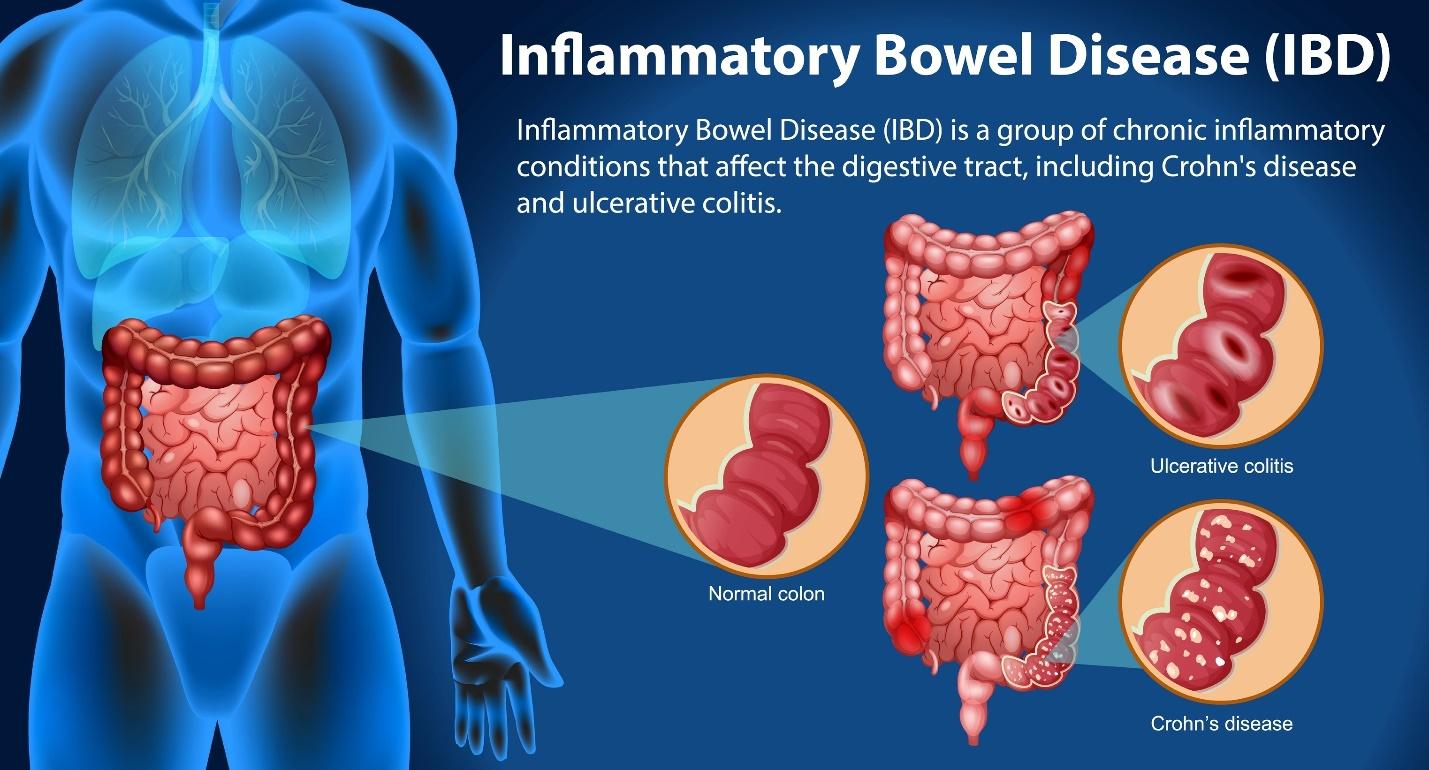
The symptoms vary depending on the severity and location of inflammation. However, it commonly includes:
- Persistent diarrhoea– bowel movements may become frequent, loose or urgent
- Blood or mucus in stools– inflammation may cause bleeding from the bowel lining
- Abdominal cramps or pain– discomfort may worsen before bowel movements or after meals
- Urgency to pass stool– some individuals may struggle to delay bowel movements comfortably
- Fatigue– chronic inflammation can reduce energy levels over time
- Weight loss– reduced appetite, poor nutrient absorption and ongoing inflammation may contribute to unintended weight loss
Persistent diarrhoea, abdominal pain or blood in stools may require assessment for inflammatory bowel disease.
Who is at risk of inflammatory bowel disease in the Philippines?
Although IBD was previously considered uncommon in Asia, studies have shown a rising incidence across newly industrialised Asian countries over recent decades.
In the Philippines, increasing urbanisation, dietary changes and greater awareness of chronic digestive disorders may also contribute to more patients being diagnosed today compared to the past.
The risk factors may include:
Lipoma removal is performed in a structured and controlled manner to ensure both safety and precision. Patients can expect:
Persistent diarrhoea, rectal bleeding or unexplained weight loss may require early specialist assessment to exclude inflammatory bowel disease.
If bowel inflammation remains poorly controlled over time, inflammatory bowel disease may lead to complications involving both the digestive tract and overall health, including:
How is inflammatory bowel disease diagnosed in Singapore?
Because symptoms may resemble food poisoning, gastritis or IBS during the early stages, some patients experience delayed diagnosis before inflammatory bowel disease is eventually identified.
Several digestive conditions can resemble IBD, including infections, irritable bowel syndrome (IBS), food intolerance and colorectal conditions. This is why an early assessment is important.
Dr Aaron Poh typically begins assessment by:
- Clinical evaluation and symptom review – helps assess symptom patterns, duration and possible triggers
- Blood investigations – used to evaluate inflammation, anaemia or infection
- Stool testing – helps exclude bacterial, viral or parasitic infections
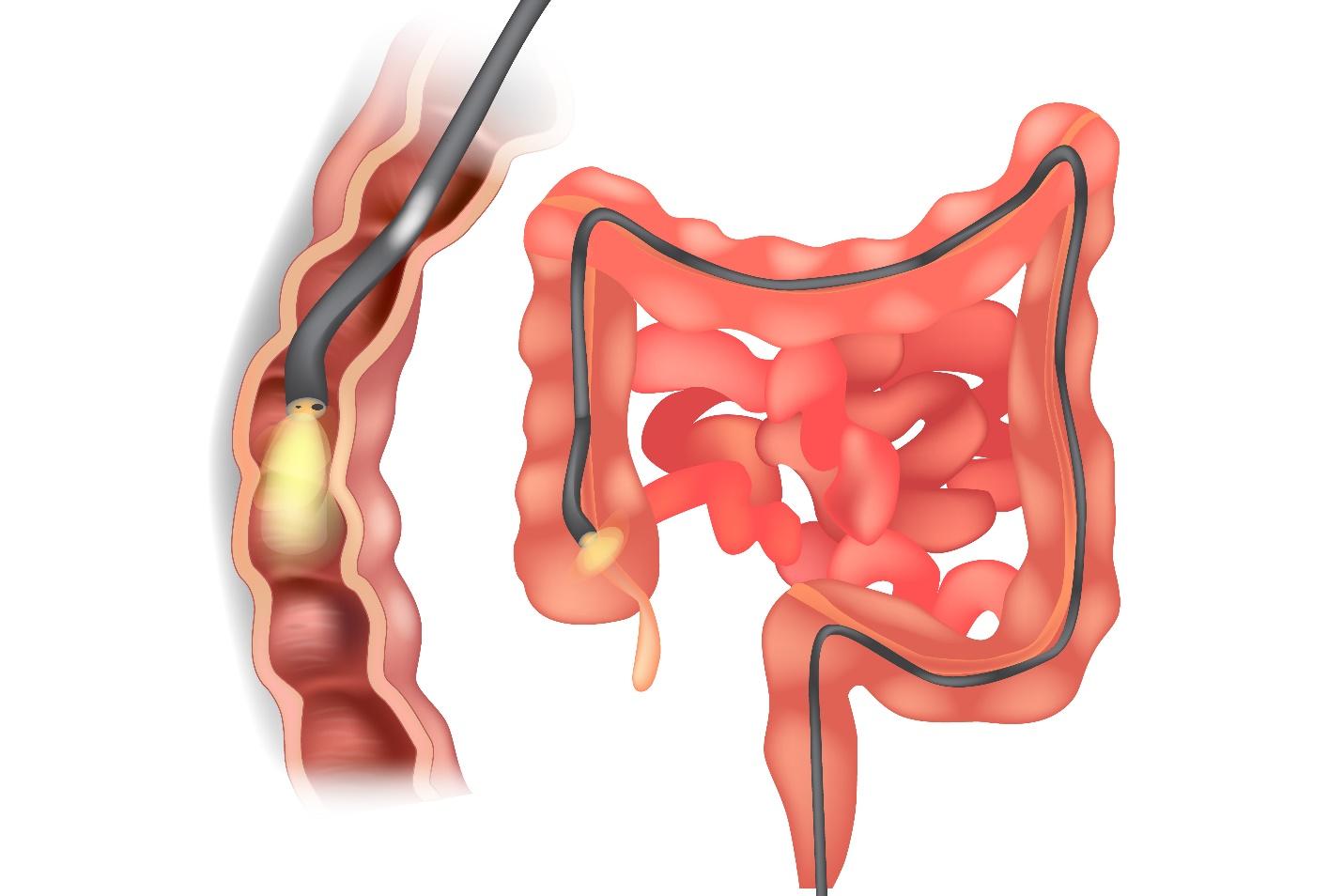
- Colonoscopy – allows direct visualisation of bowel inflammation, ulcers or bleeding
- Biopsy sampling – tissue analysis helps confirm ulcerative colitis, Crohn’s disease or other causes of inflammation
- Imaging studies – sometimes Computed Tomography (CT) scan or Magnetic Resonance Imaging (MRI) is used to assess deeper bowel inflammation or complications beyond the bowel lining
Accurate diagnosis helps distinguish inflammatory bowel disease from infections, IBS and other digestive conditions.
How is inflammatory bowel disease treated?
The goal of treatment is to reduce inflammation, manage symptoms and prevent the condition from worsening. Depending on the severity of your condition, it may involve:
Medication-based treatment
- Anti-inflammatory medication– helps reduce active bowel inflammation and control flare-ups
- Immune-modulating medication– regulates abnormal immune activity contributing to chronic inflammation
- Biologic therapy– targeted treatment used in moderate or severe inflammatory bowel disease to suppress inflammatory pathways
Dietary and supportive management
- Nutritional support– helps address weight loss, poor appetite and nutritional deficiencies
- Dietary modification– certain foods may be adjusted during flare-ups to reduce bowel irritation
- Hydration management– important for patients experiencing prolonged diarrhoea
Surgical treatment
In selected patients with severe disease, bowel narrowing, fistulas, perforation or uncontrolled inflammation, surgery may occasionally be required to remove damaged bowel segments or treat complications.
IBD vs IBS: why patients often confuse both
In the Philippines, chronic bowel symptoms are often labelled broadly as “IBS”, stress-related digestion or sensitive stomach. However, IBS and IBD are very different conditions.
FEATURE | IBD | IBS |
Underlying problem | Chronic bowel inflammation | Functional bowel sensitivity |
Blood in stools | May occur | Uncommon |
Weight loss | Can occur | Less common |
Fever or inflammation markers | May be present | Usually absent |
Colonoscopy findings | May show ulcers or inflammation | Typically normal |
Treatment focus | Controlling inflammation | Managing bowel sensitivity and triggers |
Coming to Singapore for IBD evaluation and treatment
For many patients from the Philippines, the difficulty with IBD is not only the symptoms themselves, but the repeated cycle of flare-ups, temporary relief and uncertainty about what is actually causing the problem.
Some patients spend months or years managing diarrhoea, abdominal pain or rectal bleeding episodically before receiving a more complete digestive evaluation.
In Singapore, patients often seek a more coordinated approach where investigations such as colonoscopy, biopsy and imaging can be arranged within a structured timeframe to help clarify whether symptoms are related to inflammatory bowel disease, infection or other bowel conditions.
This may provide:
- Faster access to specialist digestive evaluation
- More comprehensive investigation of persistent bowel symptoms
- Clearer differentiation between IBD and functional bowel disorder
- A more structured long-term management strategy for recurring flare-ups
Planning Your Visit from the Philippines
For patients travelling from the Philippines, the process of arranging care at Alpine Surgical Practice can begin before you leave home.
Online consultation
An initial teleconsultation with Dr Aaron Poh can be arranged prior to your trip. This allows your symptoms, medical history and any existing investigation results to be reviewed in advance, so that the most appropriate assessments can be planned ahead of your arrival. Coming in with a clearer picture of what is needed helps make your time in Singapore more focused and efficient.
To prepare for your teleconsultation, it may be helpful to have the following ready:
- A summary of your symptoms and how long they have been present
- Any previous investigation results, including stool tests, blood tests, colonoscopy reports or imaging
- A list of medications you are currently taking, including any biologics or immune-modulating treatment
- Any questions you would like to discuss with Dr Aaron
Coordination and travel support
The team at Alpine Surgical Practice is available to assist with the practical aspects of planning your visit. This includes guidance on scheduling investigations and follow-up appointments within your intended stay, as well as answering questions about what to expect during your visit.
Patients are encouraged to reach out to the clinic in advance so that arrangements can be made to accommodate your travel dates as smoothly as possible.
Your care experience at Alpine Surgical Practice
Persistent bowel symptoms can be frustrating, especially when flare-ups keep returning despite repeated medications, dietary changes or temporary improvement. For some patients from the Philippines, the uncertainty surrounding symptoms such as diarrhoea, abdominal pain or rectal bleeding can gradually begin affecting work, travel, meals and overall quality of life.
At Alpine Surgical Practice, the focus is on helping patients move beyond temporary symptom control toward a clearer understanding of what may be driving the inflammation. Dr Aaron Poh carefully reviews your symptom history, previous investigations and overall digestive health to determine whether symptoms are consistent with inflammatory bowel disease and whether further evaluation is required.
For overseas patients, arranging an earlier assessment may help provide greater clarity, reduce ongoing uncertainty and allow treatment to begin before complications or repeated flare-ups become more disruptive.
Care focuses on understanding the pattern and cause of bowel inflammation before planning long-term treatment.