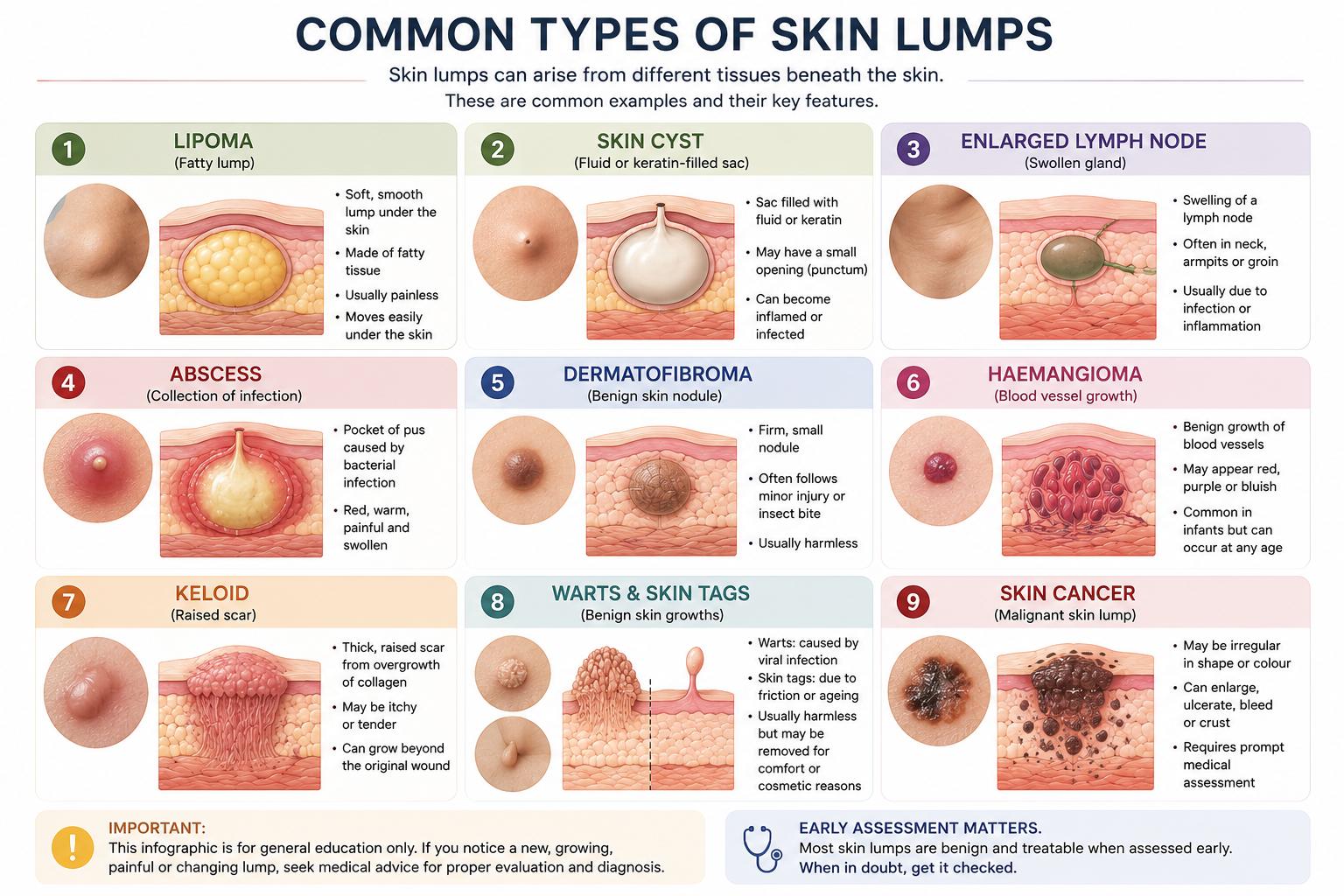
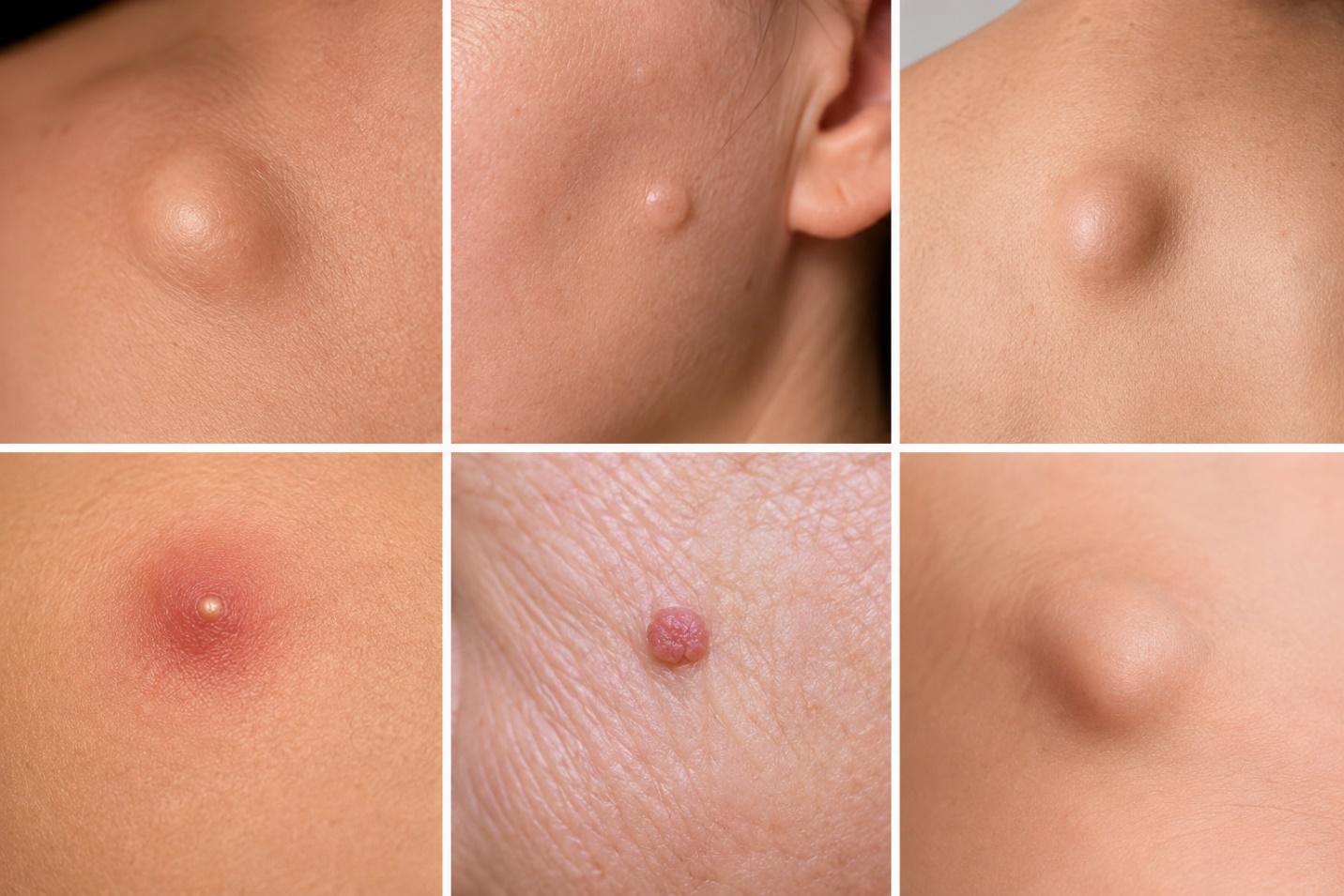
Skin lumps can arise from different tissues beneath the skin. Common examples include:
Benign fatty and cystic lumps
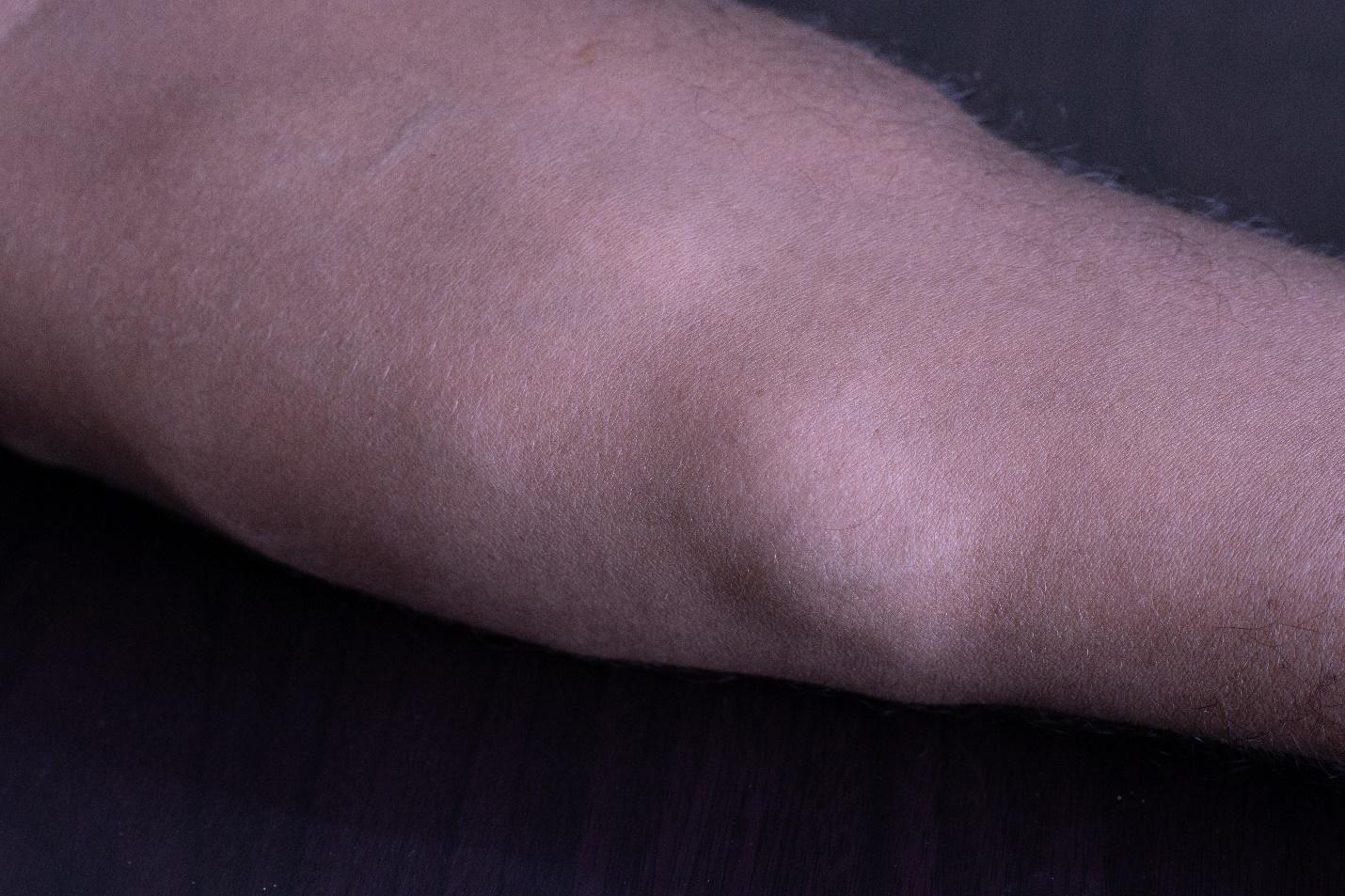
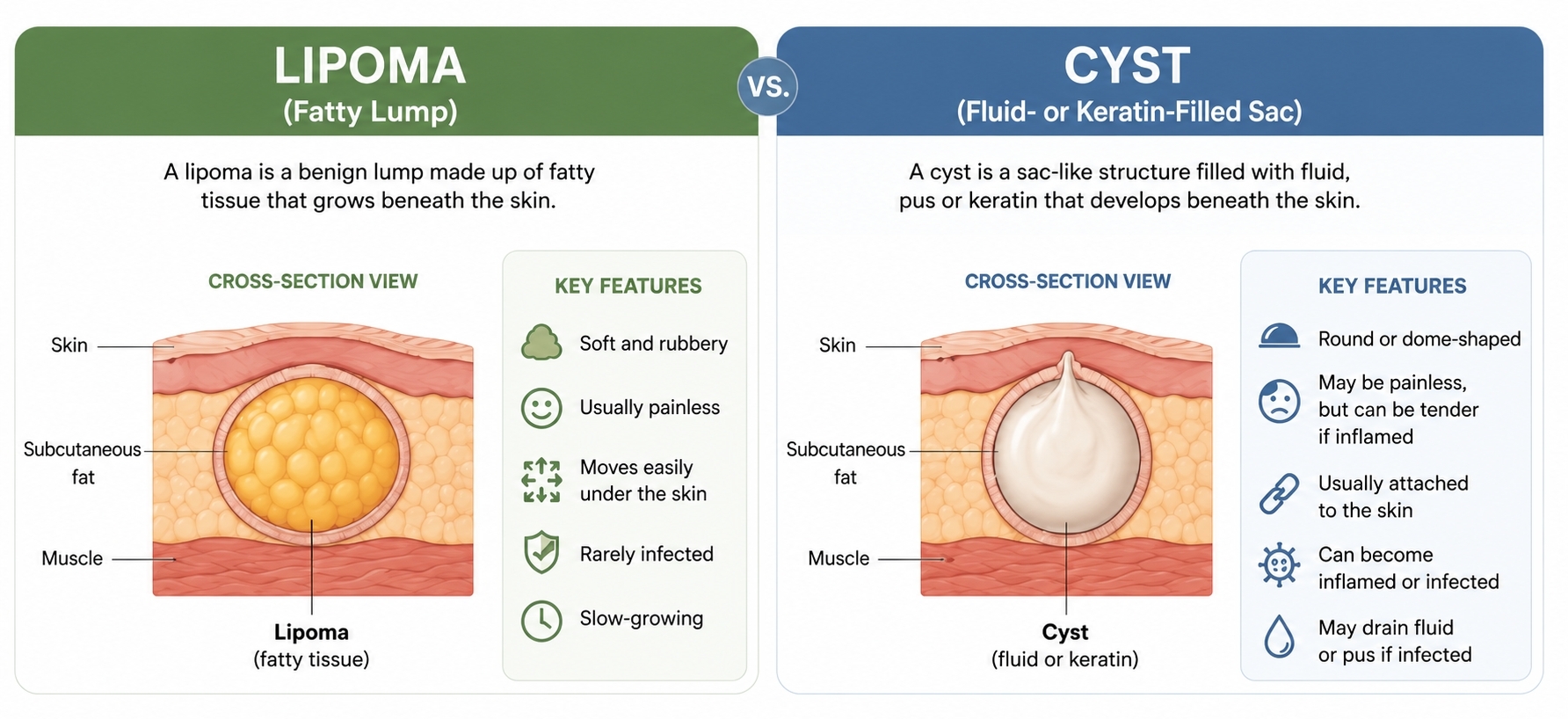
- Lipomas– soft, slow-growing lumps composed of fatty tissue beneath the skin that are usually painless and movable under the skin
- Skin cysts– fluid- or keratin-filled sacs that develop beneath the skin surface and may occasionally become inflamed or infected
Benign skin growths
- Dermatofibromas– firm benign skin nodules that may develop after minor skin injury or insect bites
- Warts and skin tags– common benign skin growths that may develop due to viral infection, friction or age-related skin changes
- Haemangiomas– benign growths formed by an overgrowth of blood vessels, often appearing as red, purple or bluish skin lesions
Inflammatory and infection-related lumps
- Enlarged lymph nodes– swellings that may occur in response to infection, inflammation or less commonly, malignancy
- Abscesses– collections of infection that can cause pain, redness and swelling
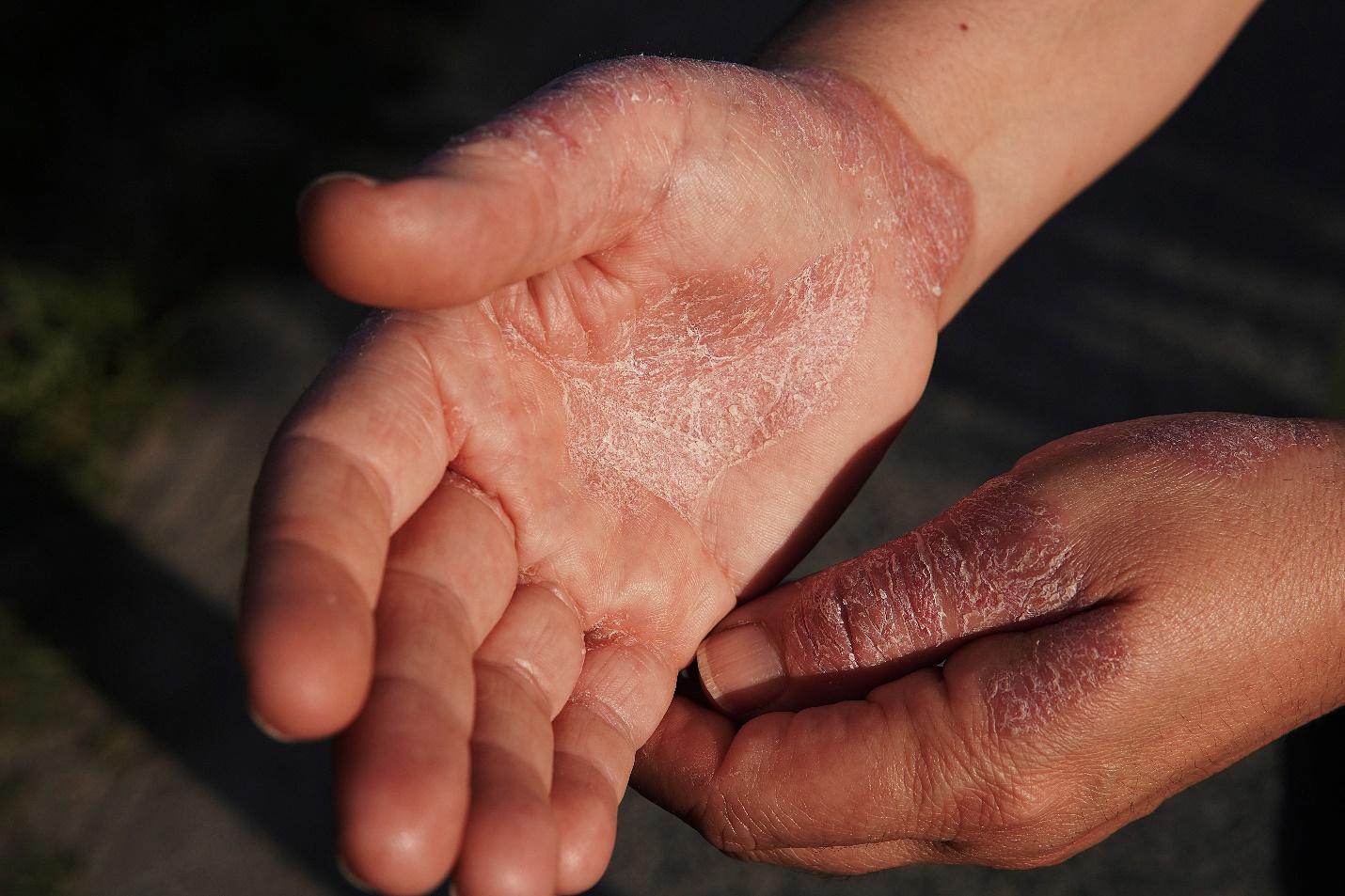
- Atopic dermatitis (eczema-related nodules)– thickened or raised skin areas that may develop after prolonged scratching or chronic skin inflammation
Scar-related and malignant lumps
- Keloids– raised scars caused by excessive collagen production during wound healing
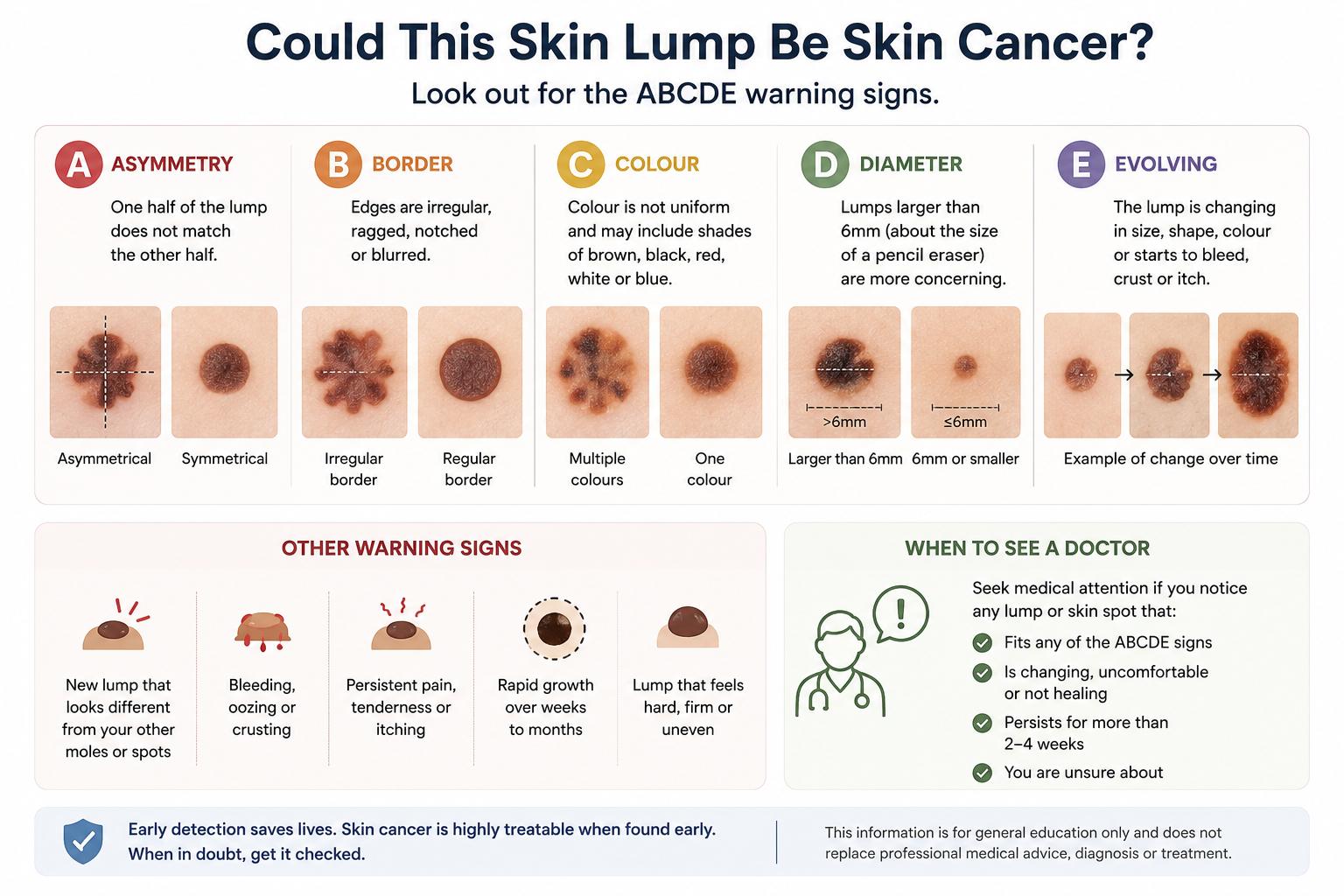
- Malignant skin lumps (skin cancers) – abnormal growths that may enlarge, ulcerate, bleed or change in appearance over time, requiring prompt medical assessment
Why do skin lumps develop?
Skin lumps may develop from fatty tissue, blocked glands, inflammation, infection or abnormal tissue growth.
Skin lumps can form through several different mechanisms depending on the underlying condition.
This may include:
- Abnormal tissue growth– certain lumps arise from uncontrolled growth of skin, connective tissue or other structures
- Abnormal scar formation– excessive collagen production can result in keloids
- Fat accumulation– lipomas develop when fatty tissue grows beneath the skin
- Blocked skin structures– cysts can form when hair follicles or skin glands become blocked
- Inflammation or infection– infections may cause localised swelling, abscess formation or enlarged lymph nodes
- Immune or inflammatory responses– some lumps develop following chronic irritation or inflammation
What are the symptoms of a skin lump?
The symptoms depend on the type of lump and underlying cause, which may include:
- A visible or palpable lump beneath the skin
- A lump that gradually enlarges over time
- Pain or tenderness
- Redness or warmth
- Fluid or pus discharge
- Skin colour changes over the lump
- Restricted movement if the lump develops near a joint
- Cosmetic concerns due to visibility or size
Who is at risk of developing skin lumps in the Philippines?
Certain genetic, environmental and lifestyle factors may increase the likelihood of developing skin lumps or abnormal skin growths.
Although skin lumps can occur in anyone, several factors may increase the likelihood of developing certain types of lumps.
These include:
- Family history of skin lumps or skin cancer –individuals with relatives who have lipomas, cysts, keloids or certain skin cancers may have a higher genetic predisposition to developing similar conditions
- Chronic skin conditions – ongoing inflammatory skin disorders such as eczema or psoriasis may increase the risk of skin thickening, nodules or other abnormal skin changes over time
- Frequent sun exposure – in a tropical country like the Philippines, cumulative ultraviolet (UV) exposurefrom outdoor work, recreation or daily commuting may increase the risk of certain skin cancers and sun-related skin growths
- Recurrent skin infections or delayed wound healing – bacterial infections, acne-related inflammation or wounds that heal poorly may contribute to the formation of abscesses, cysts or enlarged lymph nodes
- Previous skin injury, burns or surgery – trauma to the skin may trigger excessive scar formation, particularly in individuals prone to developing keloids
- Weakened immune function – conditions such as diabetes, long-term immunosuppressive medication use or other medical conditions affecting immunity may increase susceptibility to infections and abnormal skin growths
- Occupational and environmental exposure – repeated exposure to chemicals, irritants, excessive sunlight or environmental pollutants may contribute to chronic skin irritation and increase the risk of certain skin lesions
When should a skin lump be assessed?
Medical assessment is advisable if a skin lump:
- Becomes noticeably larger over time– gradual or rapid enlargement may indicate ongoing growth, inflammation or another underlying condition that requires further evaluation
- Causes pain, tenderness or discomfort– painful lumps may be associated with infection, inflammation or pressure on nearby structures
- Feels hard, fixed or immobile– lumps that do not move freely beneath the skin may warrant closer assessment to determine their origin
- Develops an irregular shape or uneven borders– changes in contour or appearance may require further investigation, particularly if accompanied by ongoing growth
- Is associated with skin changes– redness, ulceration, bleeding, persistent crusting or colour changes over the lump should be evaluated
- Persists without improving– a lump that remains present for several weeks or continues to enlarge despite observation should be medically assessed
- Occurs in the neck, armpit or groin– enlarged lymph nodes in these areas may develop due to infection, inflammation or, less commonly, more serious underlying conditions
- Occurs together with other symptoms– unexplained weight loss, persistent fever, night sweats, fatigue or difficulty swallowing may indicate the need for more comprehensive assessment
How are skin lumps diagnosed in Singapore?
Careful assessment helps determine whether a lump is benign, infected or requires further investigation.
Because many skin lumps can appear similar, diagnosis often involves more than visual inspection alone.
The assessment may include:
- Detailed clinical assessment – evaluating the lump's size, consistency, mobility, location and any associated skin changes to narrow the possible diagnosis
- Review of medical history – discussing symptom duration, growth pattern, previous treatments and relevant family history to identify potential contributing factors
- Ultrasound examination – uses sound waves to determine whether the lump contains fluid, fat, solid tissue or signs of inflammation
- Fine needle aspiration (FNA) – a thin needle is used to obtain cells or fluid from the lump for laboratory analysis when indicated
- Core needle biopsy – obtains a larger tissue sample that allows more detailed microscopic examination of suspicious or deeper lesions
- Excisional biopsy – complete removal of the lump may be recommended when diagnosis remains uncertain or treatment is required simultaneously
- Blood investigations – may help identify infection, inflammation or other underlying medical conditions associated with the lump
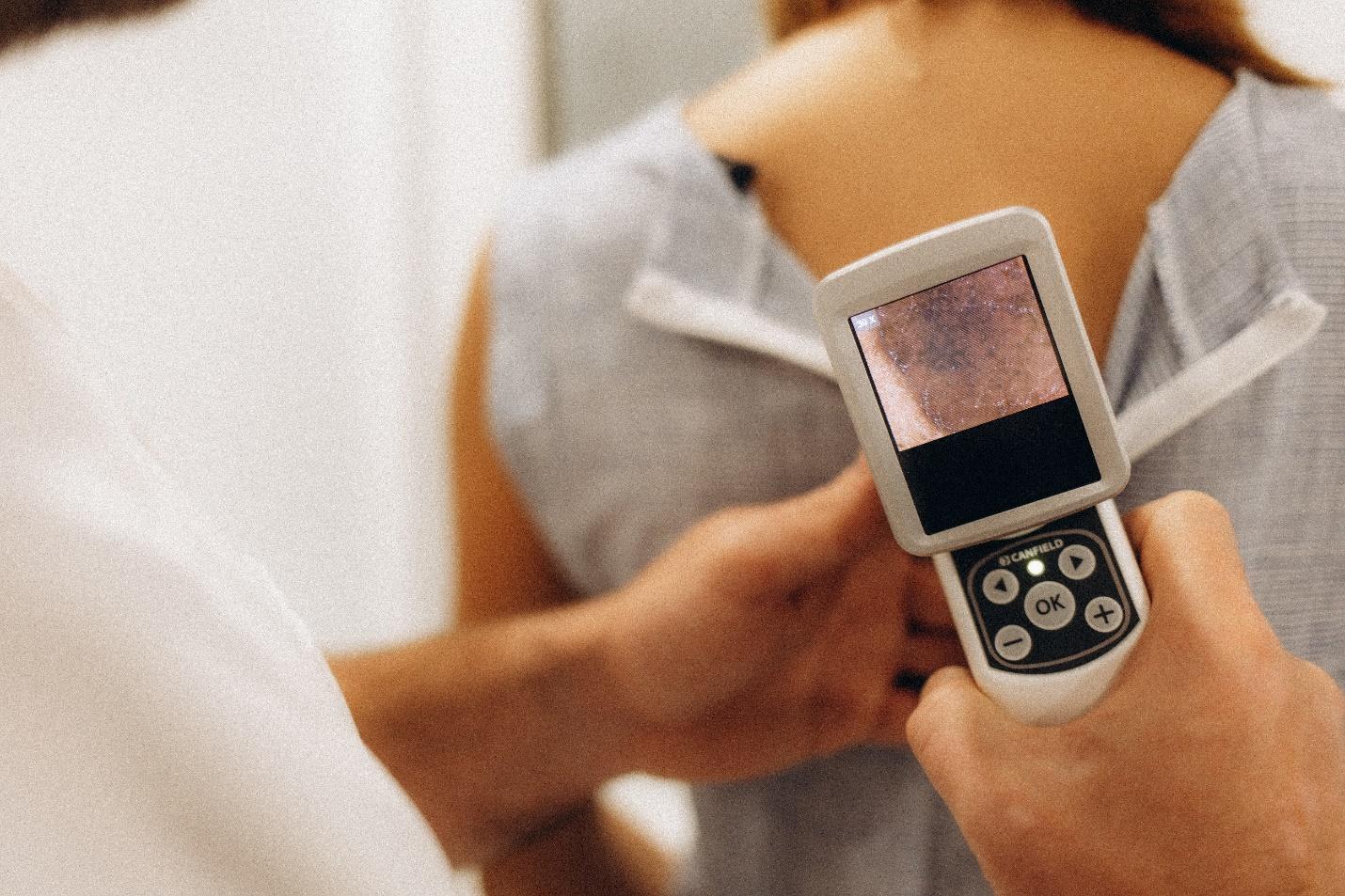
- Dermatoscopic examination – specialised magnification may be used to assess pigmented or unusual skin lesions more closely
How are skin lumps treated in Singapore?
The treatment depends on the nature of the lump, symptoms and whether there is concern regarding the diagnosis. However, it typically entails:
Observation and conservative management
- Monitoring without immediate intervention– stable, benign lumps that are not causing symptoms may simply be reviewed periodically for changes in size or appearance
Medical treatment
- Medications– antibiotics, anti-inflammatory medication or topical treatments may be prescribed when infection or inflammation is present
- Steroid injections– may help flatten keloids or reduce inflammation in selected skin lesions
Minimally invasive procedures
- Aspiration or drainage– fluid-filled cysts or abscesses may be drained to relieve discomfort and reduce infection-related symptoms
- Cryotherapy– liquid nitrogen may be used to treat selected warts and benign superficial skin growths
- Laser or radiofrequency treatment– certain vascular lesions, skin tags or benign growths may respond to energy-based treatments
Surgical treatment
- Surgical excision– complete removal may be recommended for enlarging, symptomatic, recurrent or diagnostically uncertain lumps
- Histopathological examination– removed tissue is typically analysed under a microscope to confirm the diagnosis and exclude malignancy where necessary
Is my skin lump cancerous?
Most skin lumps are benign, but certain features may warrant further investigation to exclude skin cancer or other serious conditions.
One of the most common concerns among patients who discover a new lump is whether it could be cancer. Fortunately, most skin lumps are benign. However, because some cancers can initially appear as a painless lump, proper assessment is sometimes necessary to distinguish harmless growths from conditions requiring treatment.
Most skin lumps are benign, but certain warning signs may indicate the need for further medical assessment. Features such as rapid growth, irregular borders, colour changes or persistent bleeding should be evaluated promptly.
Features that may raise concern include:
- Progressive enlargement
- Firm or fixed consistency
- Ulceration or bleeding
- Persistent pain
- Changes in colour or appearance
- Associated unexplained weight loss or enlarged lymph nodes
Importantly, the presence of these features does not necessarily mean a lump is cancerous. However, they do indicate that further assessment may be appropriate.
Where uncertainty exists, imaging studies, biopsy or surgical removal may be recommended to establish a definitive diagnosis and determine whether any further treatment is necessary.
What is the difference between a lipoma vs cyst?
Lipomas and cysts are both common causes of skin lumps, but they differ in their underlying structure, appearance and management. A proper medical assessment helps distinguish between them and determine whether treatment is necessary.
Many patients confuse lipomas and cysts because both may appear as lumps beneath the skin. But they each have distinct features, such as:
FEATURE | LIPOMA | CYST |
Contents | Fatty tissue | Fluid or keratin |
Texture | Soft and rubbery | Firm or fluctuant |
Pain | Usually painless | May become painful if inflamed |
Growth | Typically slow | Variable |
Infection risk | Uncommon | May become infected |
Coming to Singapore for skin lump evaluation
For many patients from the Philippines, the concern is often not the lump itself but the uncertainty surrounding it.
Some lumps remain unchanged for years, while others gradually enlarge, become uncomfortable or raise concerns about whether they could represent something more serious. Patients may have received differing opinions or delayed assessment because the lump was initially painless.
In Singapore, evaluation can focus on both diagnosis and treatment. Where appropriate, imaging, specialist review and lump removal can be coordinated to provide greater clarity regarding the nature of the lump and whether further treatment is required.
Patients are encouraged to bring any previous ultrasound scans, CT scans, MRI scans, biopsy reports or referral letters from the Philippines. Where appropriate, Dr Aaron Poh can review these alongside your clinical assessment to determine whether additional investigations are required or whether treatment can proceed, helping streamline your care during your stay in Singapore.
Your care experience at Alpine Surgical Practice
At Alpine Surgical Practice, assessment begins with understanding how the lump developed, whether it has changed over time and whether any concerning symptoms are present.
Dr Aaron Poh carefully evaluates the lump and discusses whether observation, further investigation or removal may be appropriate. Where necessary, imaging and tissue analysis can be arranged to help establish a definitive diagnosis.
For patients travelling from the Philippines, prior reports and imaging may often be reviewed before travel to facilitate a more efficient consultation and treatment plan.
If you have noticed a persistent, enlarging or unexplained skin lump, do schedule an appointment as an early assessment may help provide greater reassurance and diagnostic clarity.