20+ years
of experience
5000+ scopes performed
Fellowship-trained colorectal surgeon
500+ filipinos treated in singapore

What is a Colonoscopy?

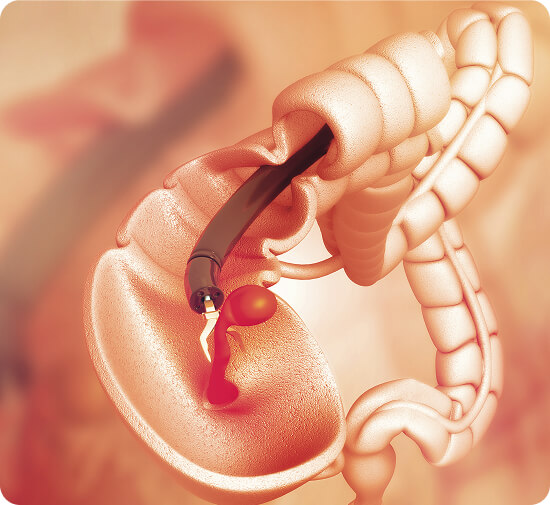
A colonoscopy, or ang pagsusuri ng colon, is a procedure that uses a thin, flexible tube with a camera (colonoscope) to examine the inner lining of the large intestine (colon and rectum).

Unlike imaging tests, colonoscopy provides direct visualisation, allowing your specialist to identify abnormalities such as polyps, inflammation or early cancers with high accuracy.

Importantly, colonoscopy is used for both diagnostic and therapeutic purposes. Polyps and certain lesions can be removed during the same procedure, reducing the need for additional interventions. 

Why does colonoscopy screening matter?

Colorectal cancer is among the leading causes of cancer-related deaths in the region, with increasing incidence noted in individuals below the age of 50 years. Local registry data have also shown that many cases are diagnosed at a later stage, often after symptoms appear. At the same time, symptoms are often subtle or mistaken for less serious digestive issues, leading to delays in diagnosis.

Colonoscopy remains one of the most effective tools for detecting and preventing colorectal cancer, as it allows precancerous polyps to be identified and removed before they develop further.

For many individuals, screening plays a key role in early detection and prevention, even in the absence of symptoms.

For patients seeking a more comprehensive evaluation, this approach provides access to:

  • Specialist-led assessment 
  • Advanced endoscopic techniques 
  • Integrated diagnostic and treatment pathways 

This ensures that findings are not only identified but also appropriately managed without delay.

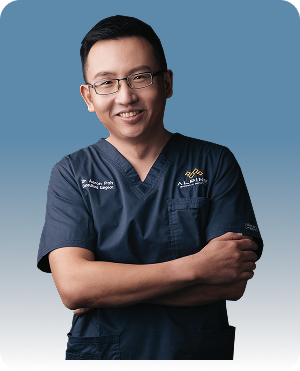
Dr Aaron Poh

Consultant Surgeon
& Colorectal Specialist
Alpine Surgical Practice · Singapore
book consult

International Support

From your first consultation to your flight home, our team helps coordinate every step of your visit.
book now
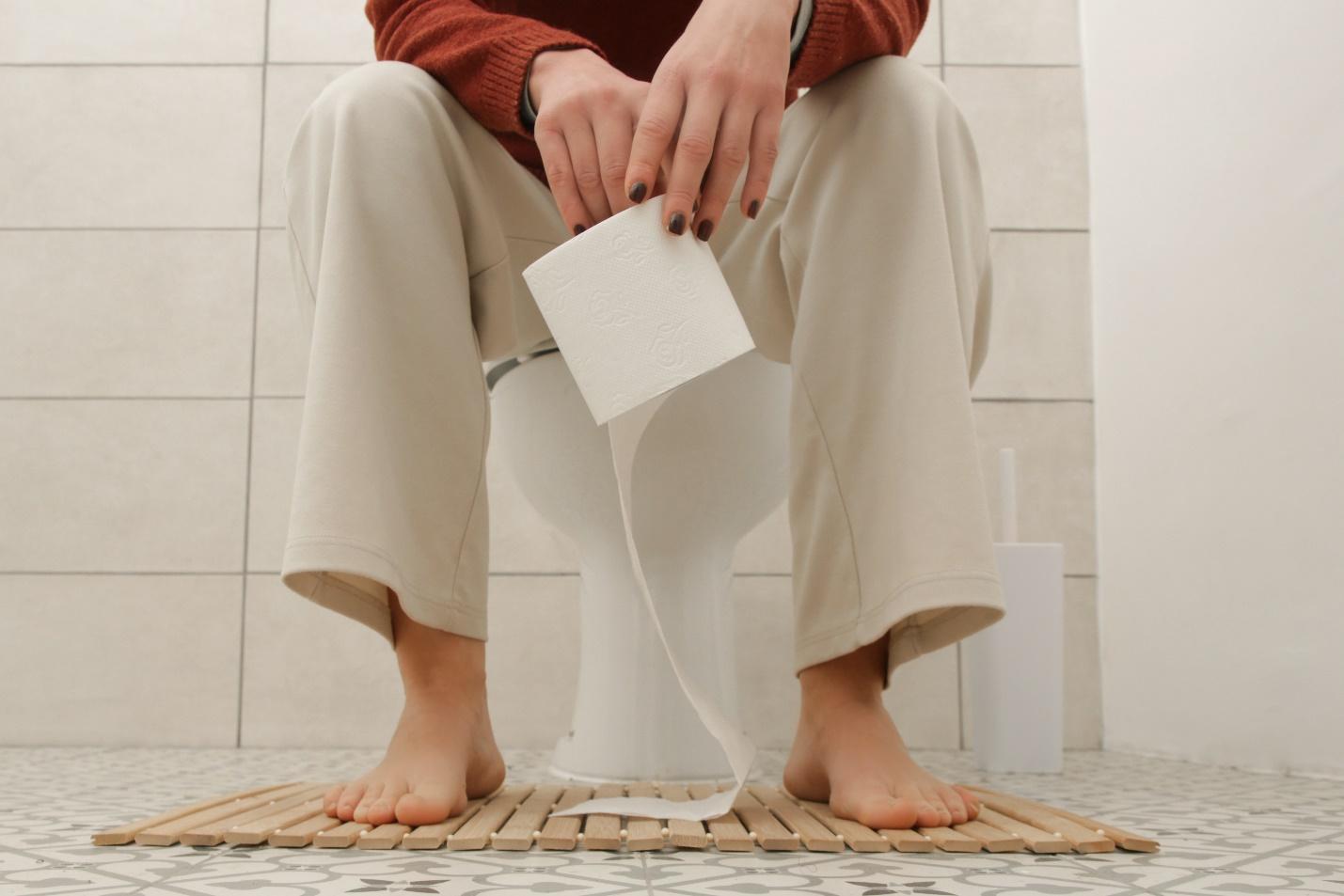
Persistent or unexplained digestive symptoms may require direct evaluation of the colon.

When is a colonoscopy recommended?

The procedure may be advised when symptoms are persistent, unexplained or concerning. These include:

  • Blood in the stool 
  • Changes in bowel habits (constipation or diarrhoea) 
  • Persistent abdominal discomfort 
  • Unexplained weight loss 
  • Iron deficiency anaemia 
  • Family history of colorectal cancer 

In many cases, these symptoms are initially managed conservatively, which may delay further evaluation. When symptoms persist or recur, direct visual assessment through colonoscopy becomes an important next step.

What conditions can be identified with colonoscopy?

Colonoscopy is used to diagnose a range of conditions affecting the colon, including:

  • Colonic polyps– small growths that may become cancerous over time
  • Colorectal cancer– early detection significantly improves outcomes 
  • Inflammatory bowel disease (IBD)- chronic inflammation such as Crohn’s disease or ulcerative colitis
  • Diverticular disease– small pouches in the colon wall that may become inflamed
  • Lower gastrointestinal bleeding– identifying the source of bleeding

Because these conditions can develop silently, colonoscopy provides an opportunity for early identification and intervention.

Now accepting patients from the Philippines

Ready to take the first step?

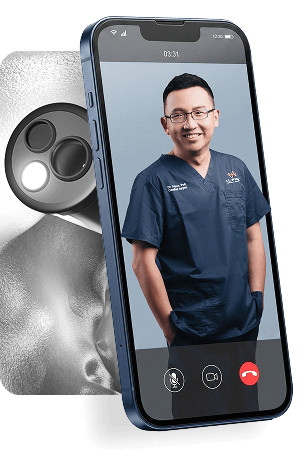
Start with a video call
to discuss your symptoms, or get our free trip planning checklist to prepare for your visit to Singapore.

What to expect during the procedure

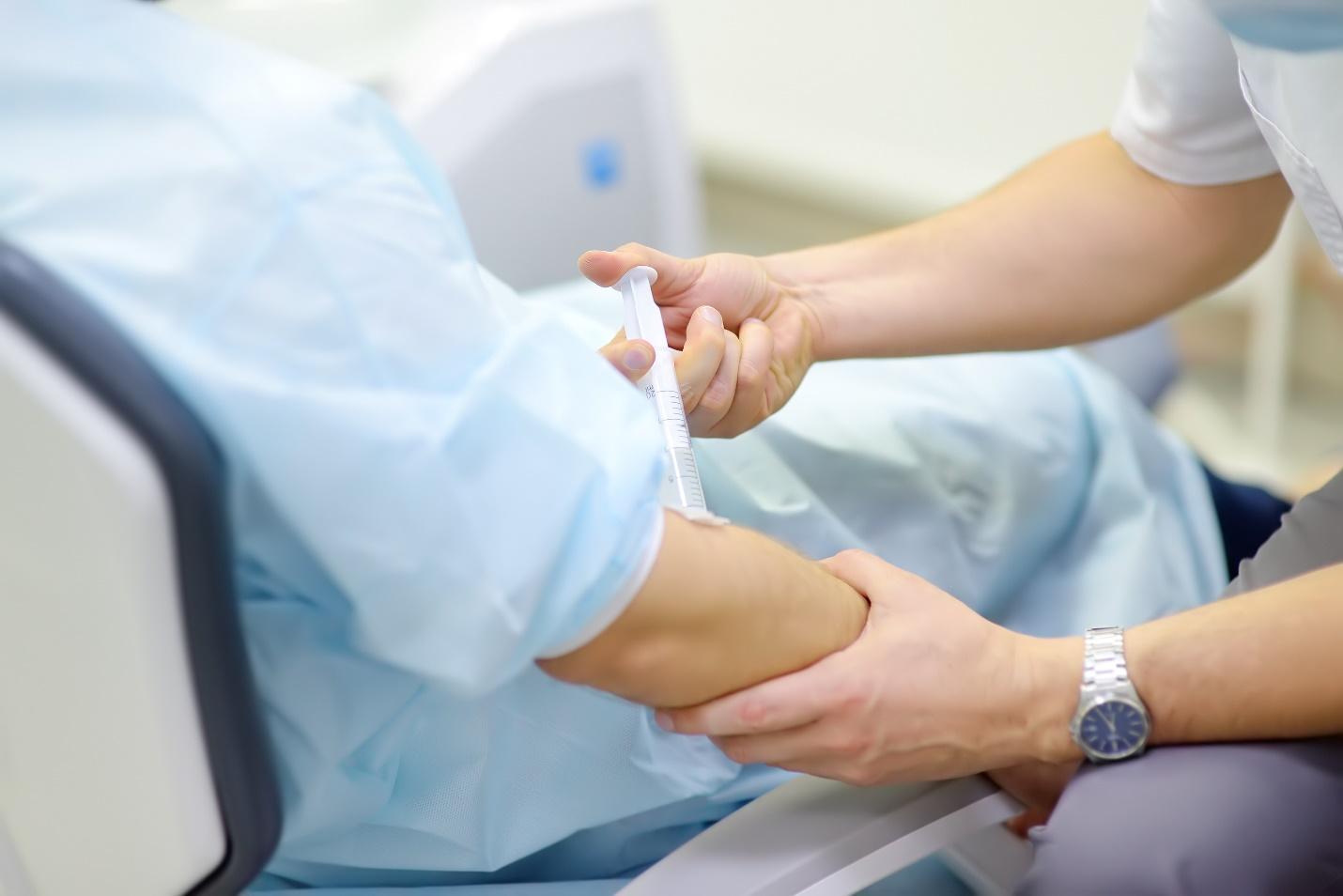
Colonoscopy is performed under sedation to ensure comfort and a thorough examination.

Colonoscopy is typically completed within 17 to 30 minutes and is performed under sedation for patient comfort.

Before the procedure

You will be given bowel preparation instructions to cleanse the colon. This step is essential to ensure clear and accurate visualisation during the examination.

During the procedure

The procedure is carried out in a structured and controlled manner:

  • Sedation is administered to ensure comfort
  • The colonoscope is gently inserted through the rectum
  • The colon is examined in detail using real-time imaging
  • Polyps or abnormalities may be removed during the procedure
  • Tissue samples may be taken if required

Real-time clinical decision-making

If abnormalities are detected, treatment such as polyp removal or biopsy can often be performed immediately, reducing the need for additional procedures and streamlining care.

1 WEEK BEFORE
  • Inform your doctor about all medications and supplements
  • Stop iron tablets if advised
  • Discuss blood thinners or diabetes medications if applicable
  • Arrange for someone to accompany you home
3–5 DAYS BEFORE
  • Switch to a low-fibre diet
  • Drink plenty of clear fluids
  • Choose white rice, white bread, pasta, eggs, fish and chicken
  • Avoid wholegrains, beans, nuts, seeds, corn, raw fruits and vegetables
1 DAY BEFORE
  • Follow a clear liquid diet only
  • Drink water, clear broth, tea or coffee (without milk), apple juice or sports drinks
  • Avoid red, purple and blue liquids
  • Start bowel preparation as prescribed
  • Stay well hydrated with clear fluids
DAY OF PROCEDURE
  • Complete the second dose of bowel preparation (if prescribed)
  • Do not eat solid food
  • Drink clear fluids until the instructed cut-off time (usually 2–4 hours before)
  • Take essential medications with a sip of water (if instructed)
  • Arrive with your companion

Recovery and aftercare

Most patients recover quickly and are discharged on the same day.

Following the procedure, patients are monitored briefly before being discharged.

You may experience:

  • Mild bloating
  • Temporary drowsiness due to sedation

These effects are usually short-lived and most patients resume normal activities within 24 hours. A follow-up discussion is arranged to review findings and plan any further care if needed.

A short, well-planned trip allows patients to complete evaluation and recovery efficiently under specialist care.

Coming to Singapore for a colonoscopy

Seeking care in Singapore allows patients from the Philippines to benefit from timely access, specialist expertise and a structured clinical environment. Most patients require only a short stay, as colonoscopy is performed as a day procedure with rapid recovery. Pre-procedure planning and post-procedure guidance are provided to ensure a smooth and efficient experience.

If you are experiencing persistent digestive symptoms or considering screening, arranging an early consultation allows you to move forward with clarity and confidence.

Your care journey at Alpine Surgical Practice

For patients travelling for care, the process is designed to be clear, coordinated and centred around your clinical needs, from initial consultation through to post-procedure follow-up.

An initial consultation can be arranged before travelling from the Philippines, allowing your symptoms, medical history and suitability for colonoscopy to be assessed in advance. This ensures that your trip is purposeful and that the procedure is appropriately indicated.

The colonoscopy is performed in Singapore by Dr Aaron Poh within an accredited establishment setting, followed by a detailed explanation of findings and a personalised management plan. Where further treatment is required, next steps are clearly outlined to support continuity of care.

If you have ongoing digestive symptoms or are considering screening, seeking an early consultation allows you to receive medical guidance, understand your options and plan your care with greater clarity and confidence.

Summary

A colonoscopy is one of the most reliable tools for diagnosing and preventing colorectal cancer. Detecting and removing polyps early significantly lowers your risk of developing serious disease.
While the preparation process may feel inconvenient, it is essential for ensuring our doctor has a clear view of your colon. The procedure itself is safe, usually painless thanks to sedation, and recovery is quick for most patients. With proper preparation and follow-up, a colonoscopy offers peace of mind and can even be lifesaving.
Book video consultation

Frequently Asked Questions (FAQs)

Everything you need to know about your medical journey
A referral is not always required. However, providing prior medical records or test results can help guide the consultation and ensure appropriate planning.
Yes. While consultations may be arranged remotely, the colonoscopy is performed in Singapore at Alpine Surgical.
You can begin with a consultation, which may be conducted remotely. Based on your symptoms and medical history, the doctor will advise whether a colonoscopy is appropriate before you make travel arrangements.
Most patients require a short stay of 1 to 2 days, depending on recovery and follow-up needs.
Yes, many patients seek a second opinion or further evaluation, especially if symptoms persist or results are inconclusive.
Scheduling depends on clinical urgency and availability, but procedures are typically arranged within a short timeframe once assessed.
As sedation is used, patients are usually advised to have someone accompany them after the procedure, particularly on the same day.
The procedure is performed under sedation, so most patients do not experience pain during the examination.
Yes, colonoscopy allows for immediate removal of polyps, reducing the need for additional procedures.
Colonoscopy provides direct visualisation and allows for treatment, making it more comprehensive than screening tests alone.
Individuals over 40 and 50 years old or those with symptoms or a family history of colorectal cancer should consider screening.
Many patients choose to undergo colonoscopy in Singapore for a combination of clinical and practical reasons. These include access to specialist expertise, procedures performed in accredited establishments, and shorter waiting times for evaluation and treatment.

Singapore also offers advanced endoscopic techniques, allowing for more precise detection and management of conditions such as polyps and early-stage cancers. In addition, care is typically delivered through a coordinated approach, where diagnosis, treatment, and follow-up are streamlined within a single clinical pathway.

Dr Aaron Poh

Consultant Surgeon & Colorectal Specialist
Alpine Surgical Practice · Singapore
Meet our doctor

About Dr Aaron Poh

Dr Aaron Poh is a fully accredited General Surgeon with dual subspecialties in Colorectal Surgery and Trauma Surgery, recognised by Singapore’s Specialist Accreditation Board and Ministry of Health. He is the Medical Director of Alpine Surgical Practice, with clinics located at Mount Elizabeth Hospital, Parkway East Hospital, and Farrer Park Hospitals.

Dr Aaron Poh has extensive experience, having performed over 5,000 endoscopic procedures. He is a strong advocate for early detection through colonoscopy, particularly for individuals at risk of colorectal cancer. His expertise includes advanced endoscopic techniques such as Endoscopic Mucosal Resection (EMR) for complex polyps and colonic stenting for obstructed cancers, which help patients avoid major emergency surgery.

When surgery is required, he specialises in minimally invasive laparoscopic colorectal cancer surgery, offering patients faster recovery with less pain and scarring. In addition to cancer care, he manages a wide range of anal conditions including haemorrhoids, fistulas, fissures, and abscesses, providing comprehensive colorectal treatment.

book consult

Copyright © Alpine Surgical Practice |  Terms & Conditions