Gastroscopy vs Colonoscopy
Gastroscopy and colonoscopy are both endoscopic procedures, but they examine different parts of the digestive tract and serve distinct diagnostic purposes.
Aspect | Gastroscopy | Colonoscopy |
Also known as | Upper endoscopy | Lower endoscopy |
Area examined | Oesophagus, stomach, duodenum | Large intestine (colon) and rectum |
Entry point | Mouth | Anus |
Procedure duration | 10–12 minutes | 17-25 minutes |
Preparation | Fast for 6+ hours | Bowel prep (laxatives) 1–2 days prior |
Sedation | Optional | Usually recommended |
Common indications | Reflux, ulcers, difficulty swallowing, upper GI bleeding, H. pylori | Colorectal cancer screening, polyps, chronic diarrhoea, lower GI bleeding, IBD |
Can take biopsies | Yes | Yes |
Recovery | Same day, mild throat discomfort | Same day, mild bloating |
Downtime | Minimal | Minimal |
What are the benefits of gastroscopy?
Gastroscopy offers several distinct clinical advantages in evaluating the upper digestive tract:
- Direct visual assessment of the oesophagus, stomach, and duodenum with high diagnostic accuracy
- Combined diagnosis and treatment within a single session, where indicated
- Detection of early mucosal changes, including inflammation, ulceration, and precancerous lesions
- Early detection of precancerous and cancerous changes
- Ability to obtain biopsies for histological confirmation
- Biopsies for a Rapid test kit to assess for Helicobacter.pylori
- Guidance for targeted management, reducing reliance on empirical or prolonged medication use
By providing objective, real-time findings, gastroscopy allows for more precise clinical decision-making and a clearer direction for treatment.
A single procedure can provide both diagnosis and immediate clinical action when needed.
When is gastroscopy recommended?
Gastroscopy is typically advised when symptoms are persistent, progressive, or clinically unexplained. These may include:
- Ongoing upper abdominal discomfort or bloating
- Chronic acid reflux or poorly controlled GERD
- Difficulty or pain when swallowing
- Recurrent nausea or vomiting
- Unintentional weight loss
- Evidence of gastrointestinal bleeding
- Iron deficiency anaemia without a clear source
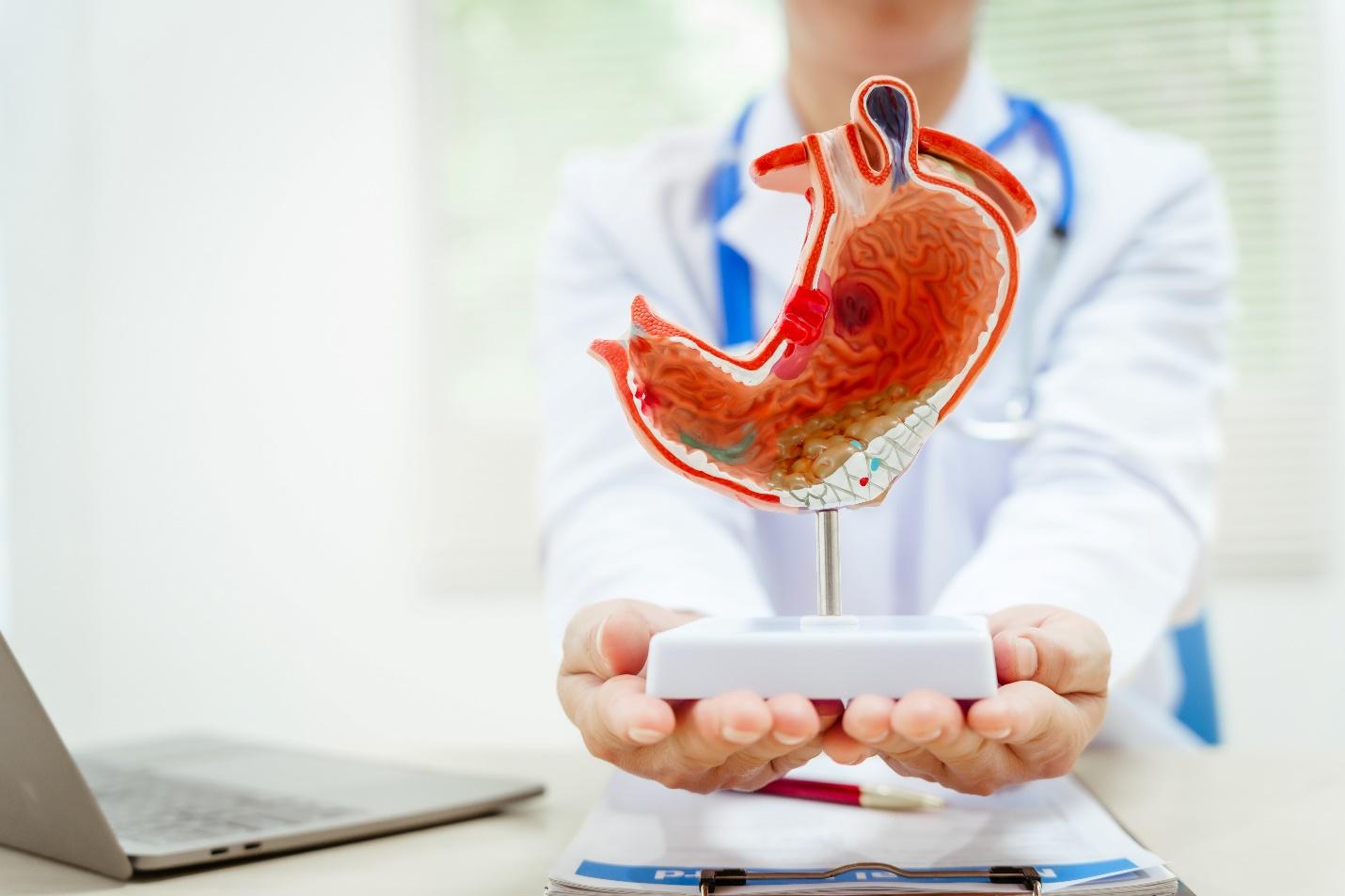
The procedure plays a critical role in diagnosing a spectrum of upper gastrointestinal conditions, including:
Many upper gastrointestinal conditions develop gradually and may not present clear symptoms early on
Gastroscopy is a structured, efficient procedure designed with patient comfort and safety in mind.
What to expect during a gastroscopy
Gastroscopy is designed to be efficient and well-tolerated, typically completed within 10 to 12 minutes. Patients can expect:
Before the procedure
You will be advised to fast for several hours to ensure clear visualisation of the stomach. Pre-procedure assessment helps determine whether sedation is appropriate.
During the examination
The procedure is carried out in a controlled, step-by-step manner to ensure both accuracy and patient comfort throughout.
- Throat preparation– a local anaesthetic spray is applied to numb the throat and reduce the gag reflex
- Sedation (if required)– light sedation may be administered to help you feel more relaxed during the procedure
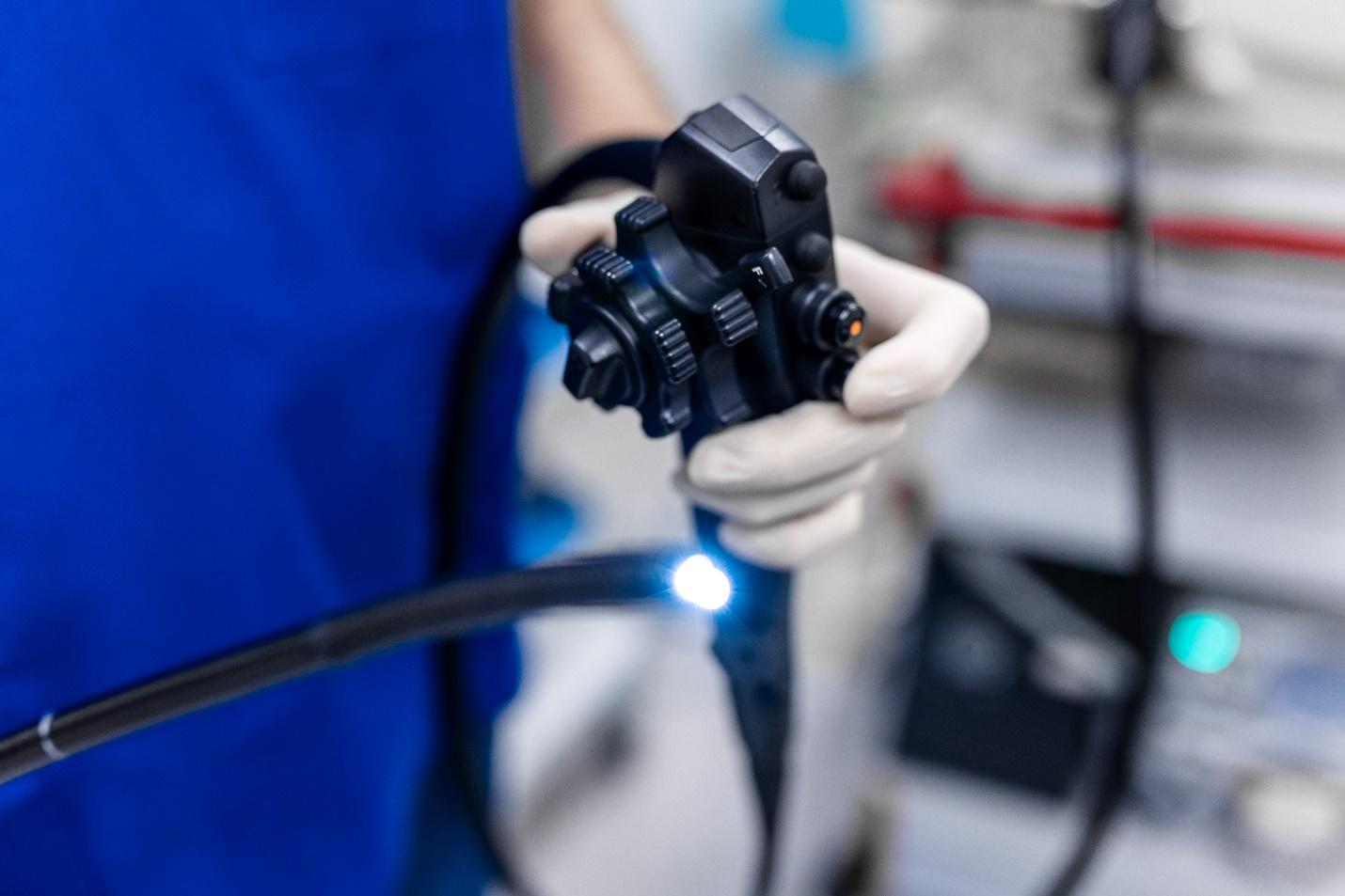
- Scope insertion– the endoscope is gently guided through the mouth and into the oesophagus
- Systematic examination– the oesophagus, stomach, and duodenum are carefully assessed using real-time imaging
- Real-time clinical decision-making– if necessary, biopsies can be taken or minor therapeutic interventions performed immediately without causing pain
Once the examination is complete, the endoscope is carefully withdrawn, and you will be guided to a recovery area for observation.
If additional steps are needed
Biopsies may be taken painlessly, and minor therapeutic procedures can be performed immediately if required.
Coming to Singapore for a gastroscopy
For patients travelling from the Philippines, the process begins before you arrive in Singapore.
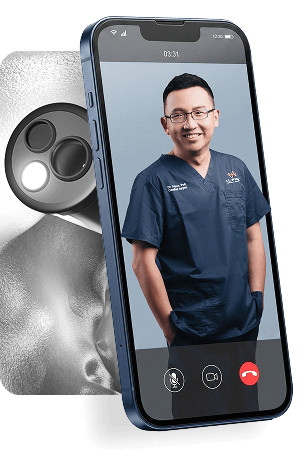
Dr Aaron Poh offers an initial online consultation, so you can discuss your symptoms, medical history, and whether gastroscopy is the appropriate next step without the need to travel first. This ensures that when you do make the trip, your visit is purposeful and well-planned.
Once a gastroscopy is confirmed as indicated, Alpine Surgical Practice's international patient coordinator assists with the practical aspects of your visit, including scheduling your procedure around your travel dates and ensuring all necessary arrangements are in place before you arrive.
As gastroscopy is performed as a same-day procedure with no overnight admission required, most patients are able to return home shortly after their visit. Initial findings are typically discussed on the day, with biopsy results reviewed via a follow-up consultation if required.
To begin the process, you may reach out to enquire about an online consultation with Dr Aaron Poh.
Following gastroscopy, most patients can return home on the same day. Patients may notice:
- Mild throat discomfort
- Temporary bloating
- Light drowsiness if sedation was administered
These effects are typically short-lived. If sedation is used, you will be advised to rest and avoid driving for the remainder of the day.
Findings are often discussed shortly after the procedure, while biopsy results (if taken) are reviewed during a follow-up consultation to guide further management.
Is gastroscopy safe?
Gastroscopy is widely regarded as a low-risk procedure when performed by experienced specialists in an appropriate clinical setting.
However, potential complications are uncommon but may include:
- Minor bleeding following biopsy
- Reaction to sedation
- Infection (rare)
- Very rare injury to the gastrointestinal tract
What is the cost of gastroscopy?
The cost of gastroscopy can vary depending on the complexity of the procedure and whether additional services such as sedation or biopsy are required. Some of the factors that can contribute to the final cost include:
- Clinical expertise
- Use of sedation or anaesthesia
- Specialist and anaesthesiologist fees
- Biopsy and laboratory analysis (if required)
- Equipment quality and procedural setting
Because each case is different, the most accurate way to understand cost is through a clinical assessment. This allows our specialist to determine whether gastroscopy is necessary, what level of care is appropriate, and whether additional steps, such as biopsy, are required.
Most patients recover quickly and return home the same day after gastroscopy.
When should you see a specialist?
You may benefit from a gastroscopy if:
- Symptoms persist despite initial treatment
- You are above 40 and are developingnew digestive symptoms
- There is a family history of gastrointestinal cancer
- You experience warning signs such as bleeding or weight loss
Early consultation supports accurate diagnosis and timely management of digestive conditions.
Schedule an Appointment
At Alpine Surgical Practice, gastroscopy is performed by an experienced general surgeon and colorectal specialist using modern endoscopic equipment in accredited medical facilities, ensuring high standards of safety, accuracy, and patient comfort.
By combining clinical expertise with a personalised approach, the team ensures that your gastroscopy is not simply a diagnostic procedure, but part of a comprehensive strategy to address your digestive health concerns. If you are experiencing ongoing symptoms, scheduling a consultation is the first step towards clarity, reassurance, and appropriate care.
If you are experiencing persistent digestive symptoms or have concerns about your gastrointestinal health, early evaluation can make a meaningful difference.
Book a consultation with us to determine whether gastroscopy is appropriate for your condition and to receive a personalised care plan tailored to your needs.