Diverticular disease and irritable bowel syndrome (IBS) can both cause abdominal discomfort and bowel habit changes, but they are fundamentally different conditions.
FEATURE | DIVERTICULAR DISEASE | IBS |
Underlying problem | Structural changes in the colon with diverticula formation | Functional bowel disorder |
Inflammation | May occur, particularly with diverticulitis | Typically absent |
Visible abnormalities | Diverticula may be seen on colonoscopy or imaging | Usually no structural abnormalities |
Complications | May lead to infection, abscess, bleeding or perforation | Does not cause bowel damage |
Treatment focus | Preventing complications and treating inflammation | Managing bowel sensitivity and symptoms |
This distinction is important because diverticular disease, particularly when inflamed, may require antibiotics, procedures or surgery, whereas IBS is usually managed with lifestyle and symptom-based treatments.
What causes diverticular disease?
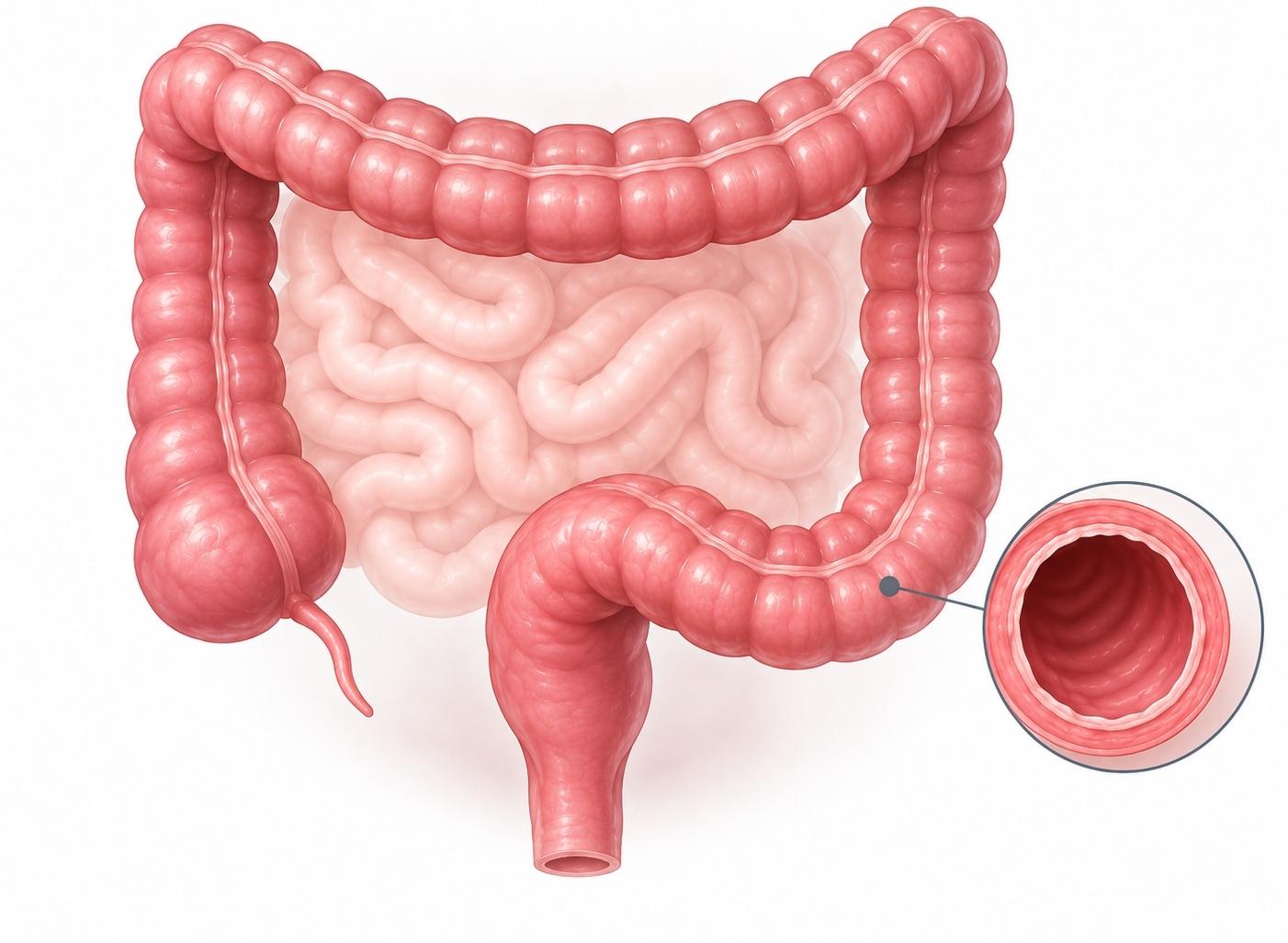
The condition develops through a combination of structural changes in the colon wall and chronic pressure within the bowel. These mechanisms contribute to the formation of diverticula and may influence whether symptoms or complications develop.
Possible contributing factors include:
- Structural weakening of the colon wall– age-related changes may cause areas of the bowel wall to become weaker over time, allowing pouches to form
- Chronic pressure within the colon– repeated straining during bowel movements may increase pressure inside the colon and contribute to diverticula formation
- Low-fibre diets– insufficient fibre intake may lead to smaller, harder stools that require greater effort to pass
- Lifestyle factors– obesity, physical inactivity and other lifestyle influences have been associated with a higher risk of diverticular disease and complications
As dietary patterns in many Asian countries become increasingly westernised, lower fibre intake and more sedentary lifestyles may contribute to the growing recognition of diverticular disease across the region.
What are the symptoms of diverticular disease?
Many people with diverticular disease have no symptoms. When symptoms do occur, they may vary depending on whether inflammation is present.
Symptoms may range from mild abdominal discomfort and bloating to severe pain and fever when inflammation develops.
Although diverticular disease can affect adults of different ages, certain factors may increase the likelihood of developing diverticula or experiencing complications. As life expectancy increases and lifestyle patterns evolve across the Philippines, these risk factors are becoming increasingly relevant.
What are the possible complications of diverticular disease?
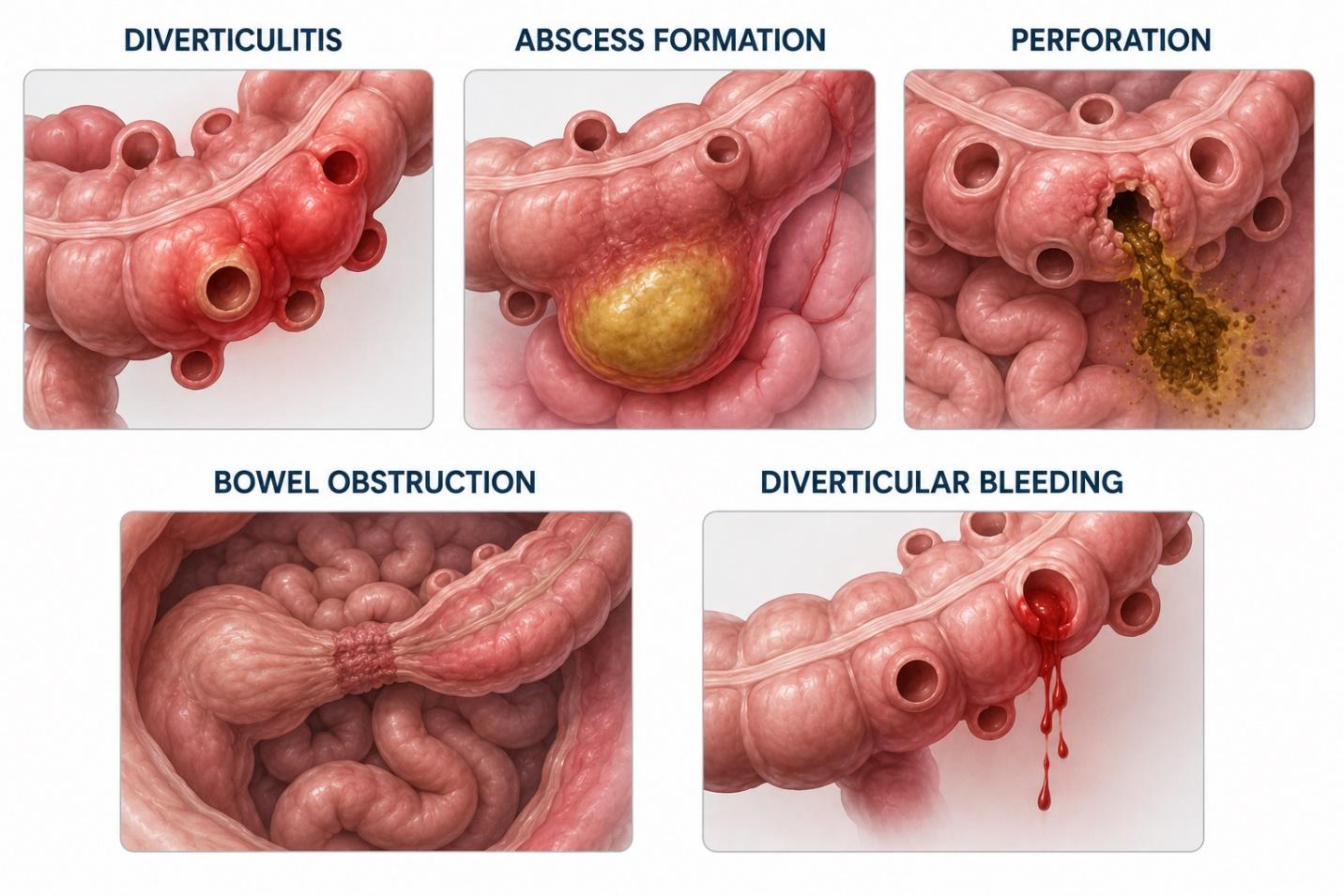
If diverticular disease progresses or becomes inflamed, complications may develop involving the colon and surrounding tissues. Potential complications include:
Untreated or recurrent diverticular disease may lead to infection, bleeding, bowel obstruction or perforation.
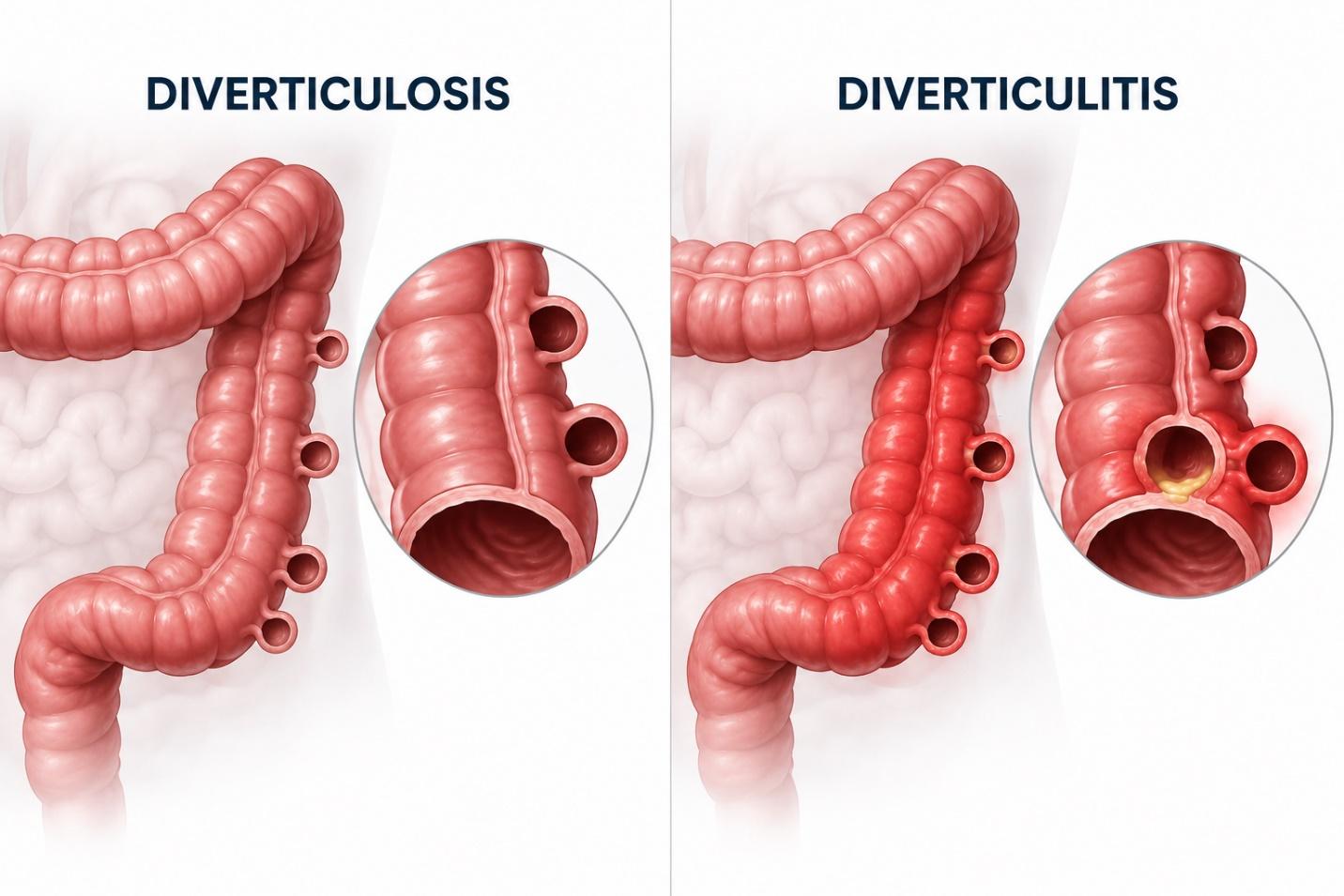
Diverticulosis vs Diverticulitis
Many patients confuse diverticulosis and diverticulitis because both involve diverticula within the colon. However, they represent different stages of the condition.
FEATURE | DIVERTICULOSIS | DIVERTICULITIS |
Diverticula present | Yes | Yes |
Inflammation | No | Yes |
Symptoms | Often none | Abdominal pain, fever, bowel changes |
Infection | No | May occur |
Antibiotics required | Usually not | Sometimes required |
Surgery required | Rarely | Occasionally, in severe or recurrent cases |
How is diverticular disease diagnosed in Singapore?
Because symptoms may resemble food poisoning, irritable bowel syndrome, gastritis or other digestive disorders, some patients experience delayed diagnosis before diverticular disease is eventually identified.
Assessment typically begins with a detailed review of symptoms, medical history and risk factors.
Dr Aaron Poh typically performs:
- Clinical history review– evaluating symptom patterns, bowel habits and previous digestive conditions
- Physical examination– assessing for abdominal tenderness, swelling or signs of inflammation
- Blood investigations– checking for infection, inflammation or other abnormalities
- Stool testing– helping exclude bacterial or parasitic infections that may mimic diverticular disease
- Computed Tomography (CT) scan– commonly used to identify diverticula and assess inflammation, abscesses or complications
- Colonoscopy– often performed after acute inflammation has resolved to evaluate the colon and exclude other conditions such as colorectal cancer
Treatment may include dietary modification, medication or surgery depending on symptom severity and the presence of complications.
Treatment is tailored according to whether the patient has uncomplicated diverticulosis, active diverticulitis or complications requiring procedural intervention.
Lifestyle and dietary management
- High-fibre diet– helps produce softer stools that pass more easily through the bowel
- Adequate hydration– supports normal stool consistency and bowel function
- Regular physical activity– helps maintain healthy bowel motility and reduce constipation
Medical treatment for diverticulitis
- Antibiotic therapy– may be prescribed when infection is suspected or confirmed
- Pain management– helps relieve abdominal discomfort during recovery
- Temporary dietary modification– dietary adjustments may allow the bowel to rest during acute inflammation
Interventional and surgical treatment
- Abscess drainage– may be required if a localised collection of infection develops
- Colon resection surgery– removal of the affected segment of bowel may be recommended for severe, recurrent or complicated diverticulitis
- Minimally invasive surgery– laparoscopic techniques may be appropriate in selected patients and can help facilitate recovery
Coming to Singapore for diverticular disease evaluation
For some patients from the Philippines, the challenge is not only the symptoms themselves but the uncertainty surrounding recurring abdominal discomfort, repeated episodes of suspected diverticulitis or unexplained bowel habit changes.
Many individuals receive treatment during acute flare-ups but may not undergo a comprehensive assessment to determine the extent of diverticular disease, whether complications are developing or whether another digestive condition could be contributing to their symptoms.
In Singapore, patients often seek a more coordinated evaluation where consultation, imaging studies, colonoscopy and treatment planning can be organised within a structured timeframe.
Patients travelling from the Philippines are encouraged to bring previous colonoscopy reports, CT scans, laboratory results and medication records, as these may help streamline assessment and avoid unnecessary duplication of investigations.
Planning Your Visit from the Philippines
For patients travelling from the Philippines, care at Alpine Surgical Practice can be arranged before you leave home.
Online consultation
An initial teleconsultation with Dr Aaron Poh can be scheduled prior to your trip. This allows your symptoms, medical history and any existing investigation results — such as previous CT scans, colonoscopy reports or blood tests — to be reviewed in advance, so that the most appropriate assessments can be planned ahead of your arrival. This helps make your time in Singapore more focused and efficient.
Coordination and travel support
The team at Alpine Surgical Practice is available to assist with the practical aspects of your visit, including scheduling investigations and follow-up appointments within your intended stay. Patients are encouraged to contact the clinic in advance so that arrangements can be made around your travel dates as smoothly as possible.
Your Care Experience at Alpine Surgical Practice
Recurring abdominal pain, bloating or changes in bowel habits can become frustrating, particularly when symptoms repeatedly return despite medication or dietary adjustments.
At Alpine Surgical, assessment begins with understanding your symptoms, previous episodes of diverticulitis, bowel habits and any investigations that may already have been performed.
Dr Aaron Poh carefully evaluates whether symptoms are related to uncomplicated diverticular disease, active diverticulitis or another digestive condition that may require further investigation. Where appropriate, imaging studies, colonoscopy and additional testing can be arranged to clarify the diagnosis and guide treatment decisions.
If you have been experiencing recurring abdominal pain, repeated diverticulitis attacks or persistent bowel symptoms, arranging an appointment may help provide greater diagnostic clarity and a structured long-term management plan.
Care focuses on identifying the cause of symptoms, assessing disease severity and developing an individualised treatment strategy.