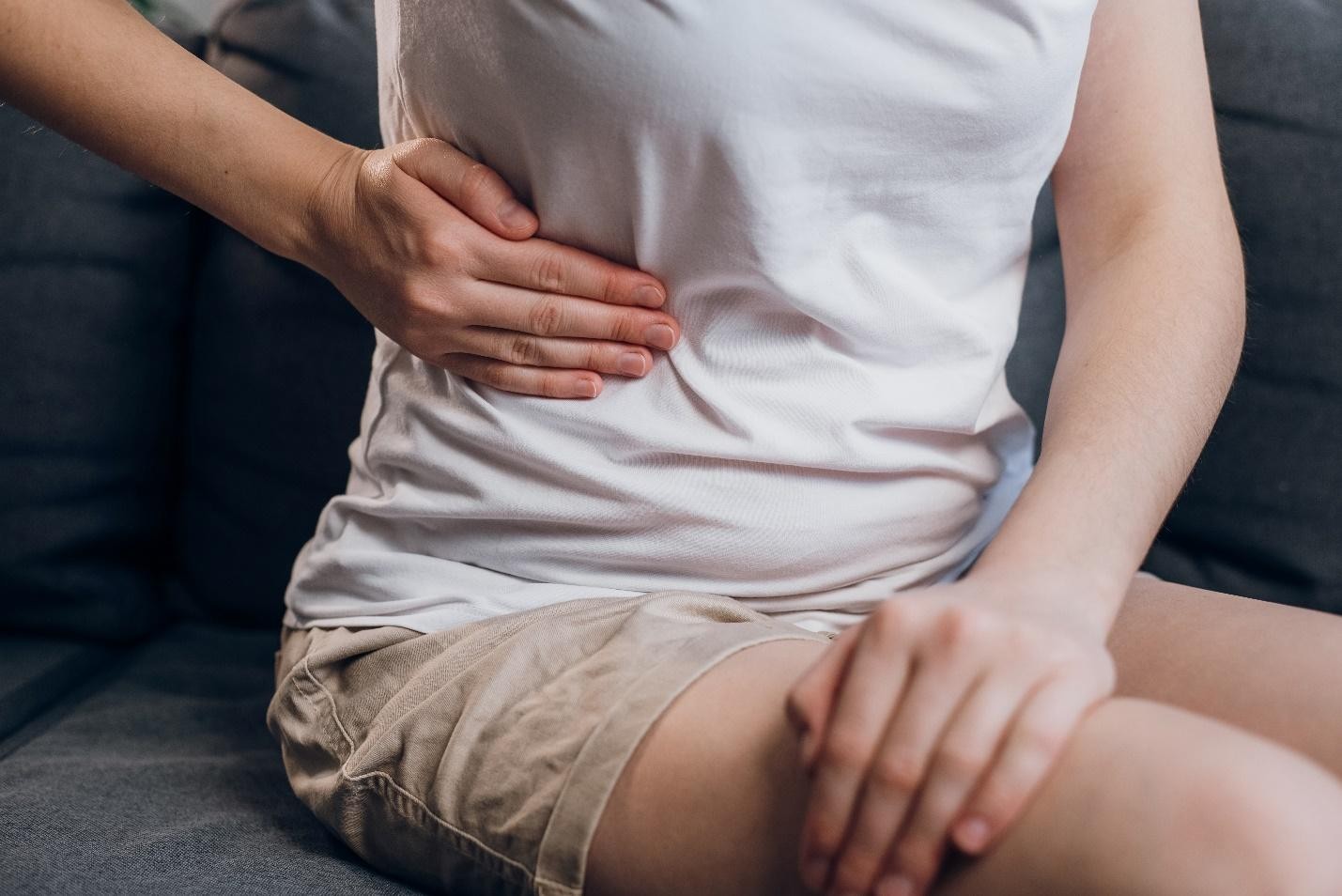
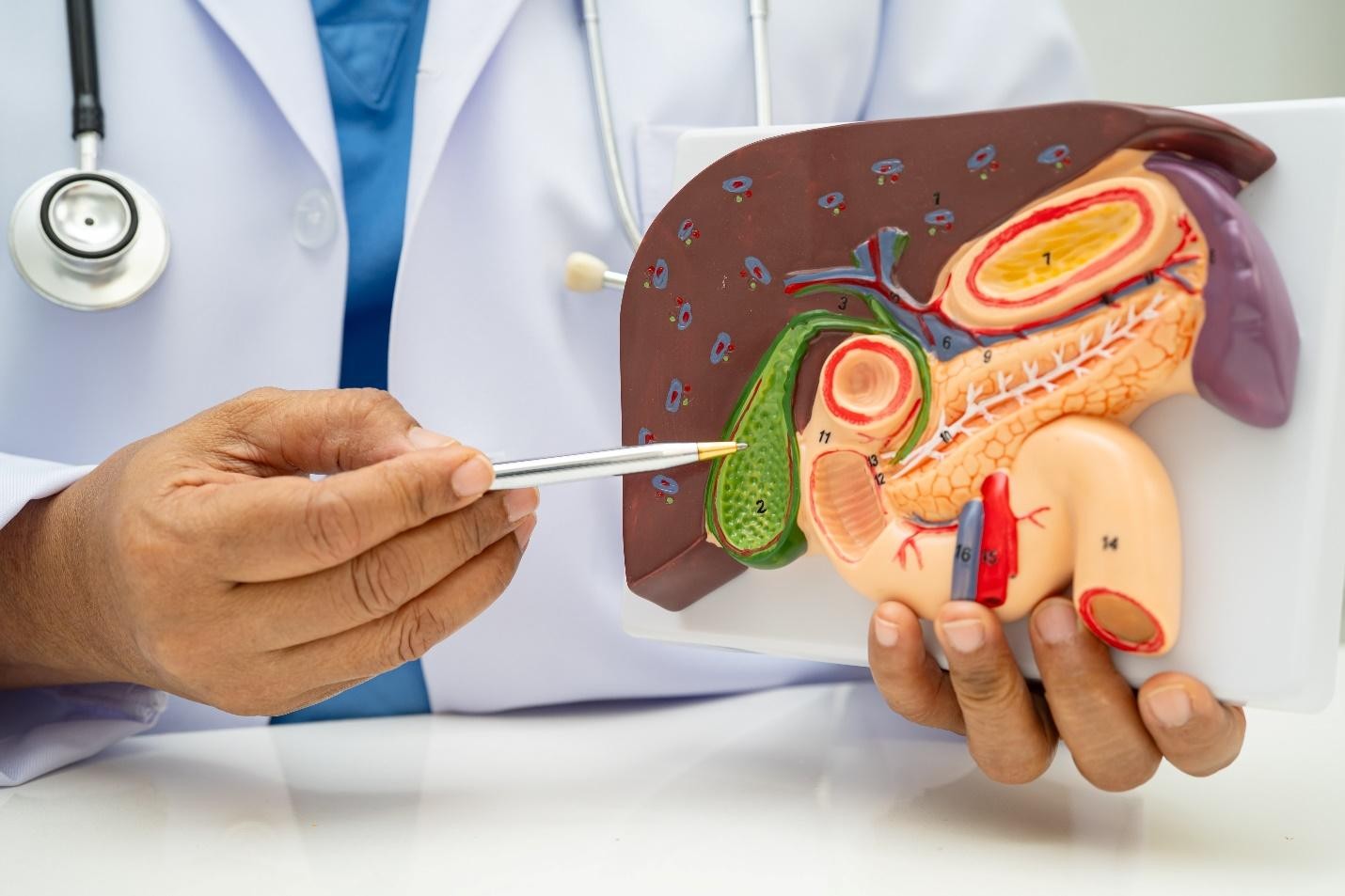
Some individuals never experience symptoms. When symptoms occur, they may include:
- Pain in the upper abdomen, particularly after meals
- Pain that radiates to the upper back
- Bloating or indigestion
- Episodes of pain that come and go
When should you seek urgent medical attention?
Seek prompt medical attention if abdominal pain is severe, persists for several hours or occurs with:
- Fever or chills
- Persistent nausea or vomiting
- Yellowing of the skin or eyes
- Dark urine or pale stools
- Increasing abdominal tenderness
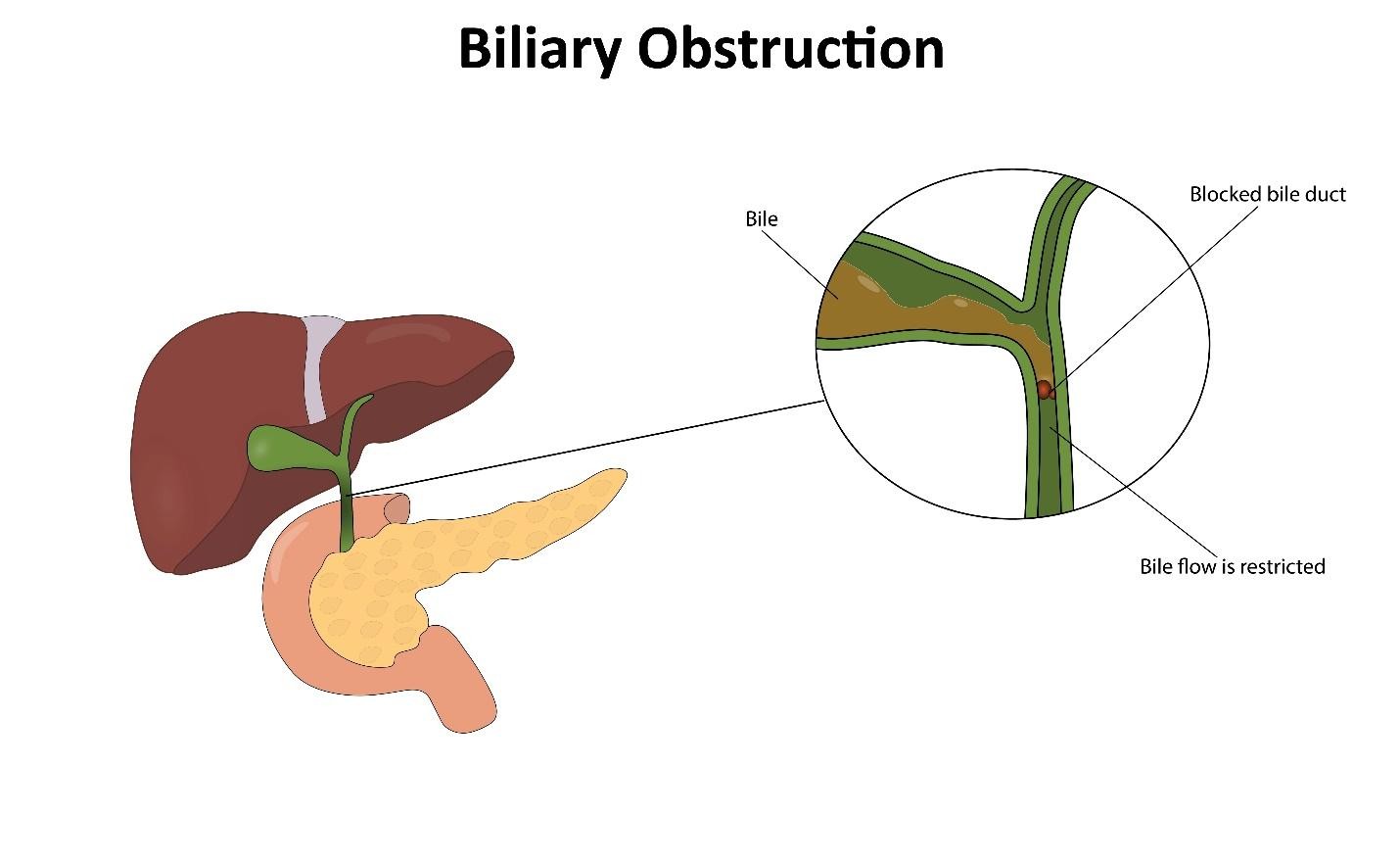
These symptoms may indicate gallbladder inflammation, infection, bile duct obstruction or pancreatitis.
Who is at risk of developing gallstones?
Although gallstones can affect anyone, certain factors increase the likelihood of developing them. These include:
- Increasing age – gallstones become more common as bile composition and gallbladder function change over time
- Female gender – hormonal factors increase the likelihood of gallstone formation
- Family history of gallstones – inherited factors may increase susceptibility
- Certain medical conditions – being diagnosed with certain conditions such as cirrhosis of the liver, blood disorders or Crohn’s disease increases the likelihood of gallstones
- Pregnancy and multiple pregnancies – hormonal changes and reduced gallbladder emptying may promote stone development
- Diabetes – metabolic changes may affect gallbladder function and bile composition
- Rapid weight loss – sudden changes in fat metabolism can alter bile chemistry and increase stone formation
- High-fat dietary patterns – dietary habits associated with obesity and metabolic disease may contribute indirectly to gallstone development
- Sedentary lifestyle – reduced physical activity has been associated with a higher risk of gallstone disease
- Obesity – excess body weight is associated with increased cholesterol levels within the bile
What complications can gallstones cause?
Untreated gallstones may lead to infection, bile duct blockage or inflammation affecting nearby organs.
While some gallstones remain harmless, others may cause complications requiring urgent treatment, including:
- Biliary colic – repeated episodes of gallbladder pain caused by temporary blockage
- Acute cholecystitis – inflammation or infection of the gallbladder
- Choledocholithiasis – gallstones that migrate into the common bile duct
- Obstructive jaundice – blockage of bile flow causing yellowing of the skin and eyes
- Cholangitis (link to page) – infection of the bile ducts
- Gallstone pancreatitis – inflammation of the pancreas caused by stone obstruction
- Gallbladder perforation – a rare but serious complication of severe inflammation
Gallstones vs gastritis: How do the symptoms differ?
Gallstones and gastritis can both cause upper abdominal discomfort, nausea and symptoms after eating. However, the location and pattern of pain may provide useful clues. Symptoms alone cannot confirm the cause, so recurring or severe pain should be medically assessed.
FEATURE | GALLSTONES | GASTRITIS |
Typical pain location | Upper right or upper central abdomen | Upper central abdomen, below the breastbone |
How the pain feels | Intense, steady pain that may become severe | Burning, aching or gnawing discomfort |
Common triggers | Often begins after a heavy or fatty meal, although attacks may occur at other times | May worsen after eating, on an empty stomach, or after alcohol or certain medications |
Duration | Usually lasts from around 30 minutes to several hours | May be brief or persist intermittently for days or longer |
Pain spreading elsewhere | May radiate to the right shoulder or between the shoulder blades | Usually remains in the upper central abdomen |
Other possible symptoms | Nausea, vomiting and sweating during an attack | Nausea, bloating, belching, reduced appetite or feeling full quickly |
Gallstone attacks typically cause steady upper abdominal pain lasting up to several hours, while gastritis more commonly causes burning or gnawing discomfort. However, the symptoms can overlap, so the difference cannot be determined confidently from pain location alone.
How are gallstones diagnosed in Singapore?
Some patients travelling from the Philippines may already have an ultrasound report showing gallstones, while others may have experienced recurring abdominal pain without receiving a definitive diagnosis.
Assessment generally includes:
- Clinical history and symptom review – assessment begins with a discussion of symptom patterns, including the location of pain, triggering factors, duration of attacks and any associated symptoms such as fever, jaundice or digestive disturbances
- Physical examination – examination may identify abdominal tenderness, particularly over the right upper abdomen, and assess for signs of infection or complications
- Blood investigations – blood tests may evaluate liver function, infection, inflammation and possible bile duct obstruction
- Abdominal ultrasound – ultrasound is usually the first-line imaging investigation and is highly effective for detecting gallstones and signs of gallbladder inflammation
- Computed Tomography (CT) scan – CT imaging may be recommended when complications such as perforation, pancreatitis or abscess formation are suspected
- Magnetic Resonance Cholangiopancreatography (MRCP) – MRCP uses specialised MRI imaging to assess the bile ducts and identify stones that may have migrated beyond the gallbladder
How are gallstones treated in Singapore?
Treatment depends on whether gallstones are causing symptoms, complications or bile duct obstruction.
Treatment depends on symptom severity and whether complications are present.
- Observation – gallstones that are not causing symptoms may not require immediate treatment. Monitoring may be appropriate unless symptoms or complications develop.
- Medical management – pain relief and hydration may be provided during an acute attack. Antibiotics may be prescribed when an infection is suspected.
- Endoscopic treatment – Endoscopic Retrograde Cholangiopancreatography (ERCP) may be used to remove gallstones that have moved into the common bile duct. It does not remove stones remaining inside the gallbladder.
- Cholecystectomy (link to page) – surgical removal of the gallbladder is the usual definitive treatment for symptomatic gallstones. Laparoscopic cholecystectomy is commonly performed to help prevent recurring attacks and complications.
- Lifestyle adjustments – dietary and lifestyle changes cannot remove existing gallstones. However, maintaining a healthy weight, eating a balanced diet and avoiding rapid weight loss may help reduce the risk of further stone formation.
Why is the gallbladder removed instead of only the stones?
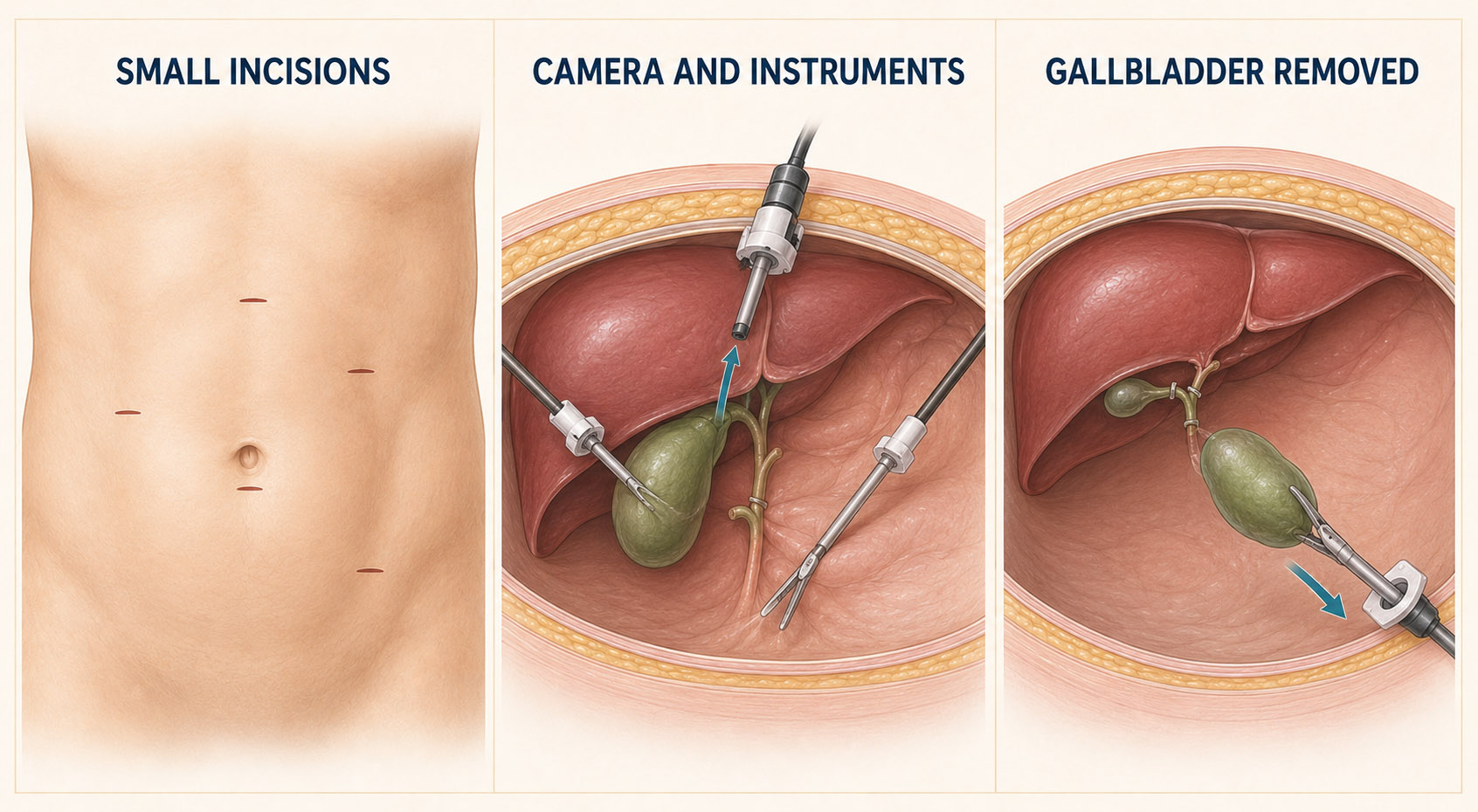
Laparoscopic gallbladder removal is performed through several small abdominal incisions using a camera and specialised surgical instruments.
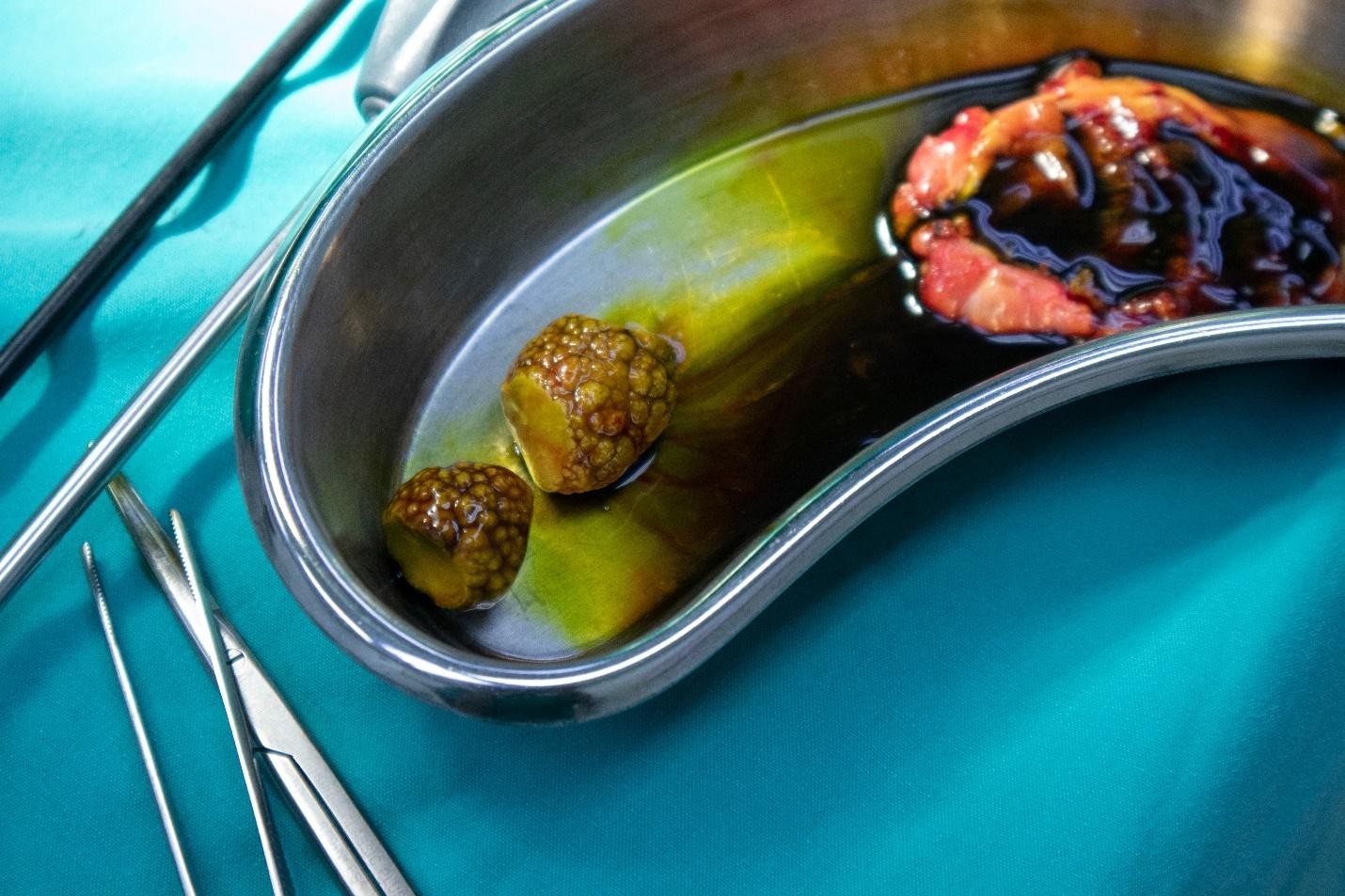
During a cholecystectomy, the surgeon removes the gallbladder together with the stones inside it. Removing only the stones would leave the gallbladder in place, allowing stones and related symptoms to develop again.
The procedure is commonly performed using laparoscopic, or keyhole, surgery. Small incisions are made in the abdomen so that the gallbladder can be separated and removed using specialised instruments. Open surgery may be required in selected situations, such as when severe inflammation, infection or scarring makes laparoscopic removal unsuitable.
The body can continue to digest food without a gallbladder. After surgery, bile flows directly from the liver into the small intestine rather than being stored in the gallbladder.
How long does recovery take after gallbladder surgery?
Many patients can return home on the same day or after an overnight stay following laparoscopic gallbladder removal. Light activities can be resumed gradually, while returning to work commonly takes around 1 to 2 weeks. Recovery may take longer after open surgery or if complications occur.
If you are travelling from the Philippines, discuss your return date with Dr Aaron Poh before booking your flight. Your recommended stay in Singapore will depend on your recovery and whether a postoperative review is needed.
Planning your visit from the Philippines
For patients travelling from the Philippines, arrangements can often begin before arriving in Singapore.
Online consultation
A teleconsultation with Dr Aaron Poh may be arranged before travel. This allows your symptoms, medical history and previous investigations to be reviewed in advance so that any necessary assessments can be planned ahead of your visit.
Having this information reviewed early may help make your time in Singapore more focused and efficient.
To prepare for your consultation, it may be helpful to have:
- A summary of your symptoms and when they began
- Previous ultrasound, CT scan or MRI reports
- Blood test results, particularly liver function tests
- Hospital discharge summaries (if previously admitted)
- A list of current medications
- Questions you would like to discuss with Dr Aaron Poh
Coordination and travel support
The Alpine Surgical practice team can assist with coordinating consultations, investigations and follow-up appointments within your intended travel period. Patients are encouraged to contact the clinic before travelling so that arrangements can be planned around their schedule and anticipated length of stay.
Your care experience at Alpine Surgical Practice
Laparoscopic gallbladder removal is performed through several small abdominal incisions using a camera and specialised surgical instruments.
Gallstone symptoms can range from occasional discomfort to repeated painful attacks that interfere with work, travel and daily routines. For many patients, the main concern is not only the symptoms themselves, but also whether surgery is necessary and what could happen if treatment is delayed.
At Alpine Surgical Practice, Dr Aaron Poh will review your symptoms, medical history and previous scans to determine whether monitoring, further investigation or treatment may be appropriate. Additional tests can also be arranged when needed to assess the gallbladder and bile ducts more closely.
If you are travelling from the Philippines, arrange a consultation to discuss the recommended next steps and coordinate your care around your intended stay in Singapore.