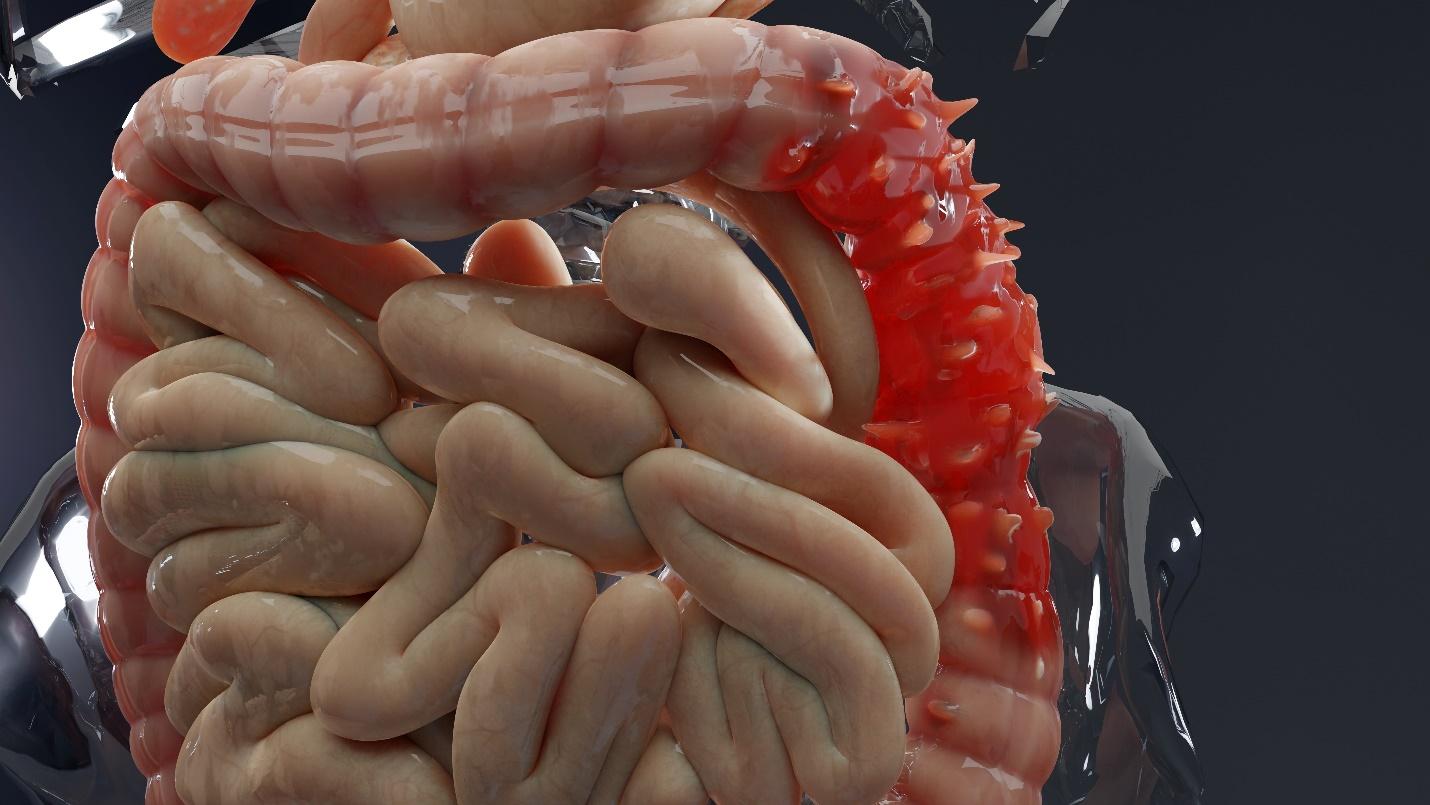
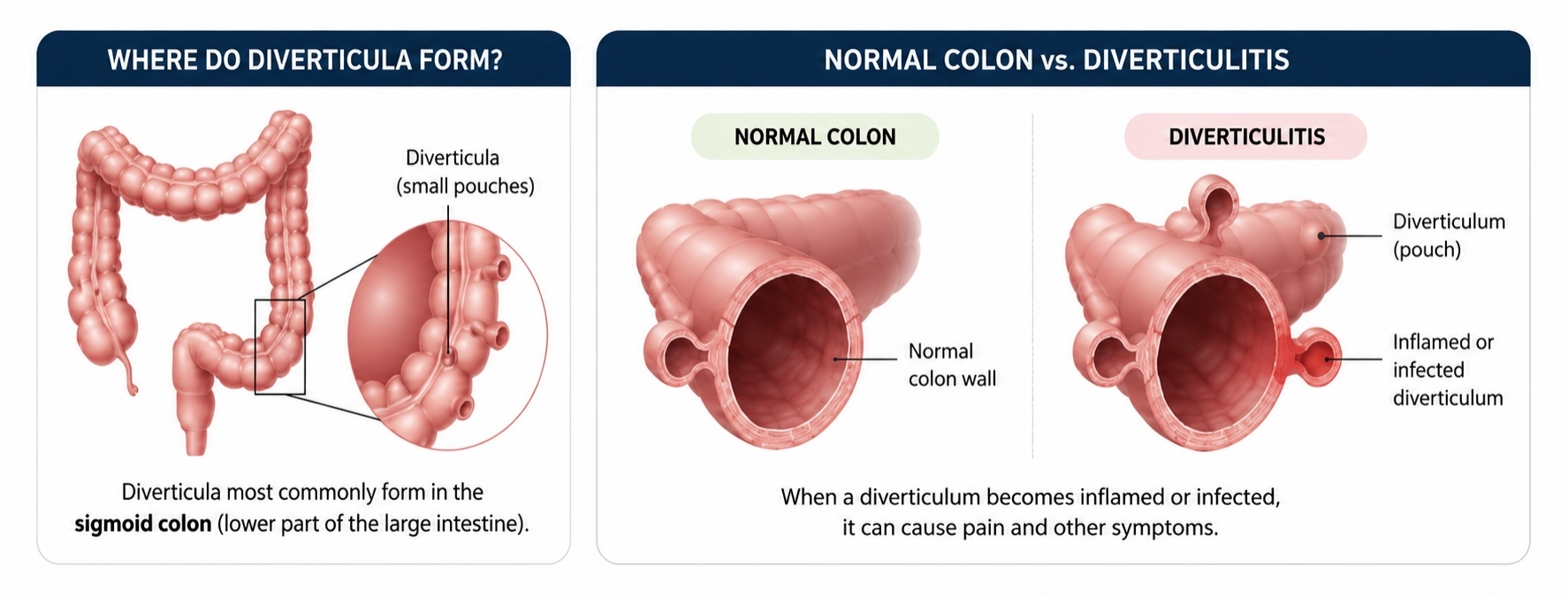
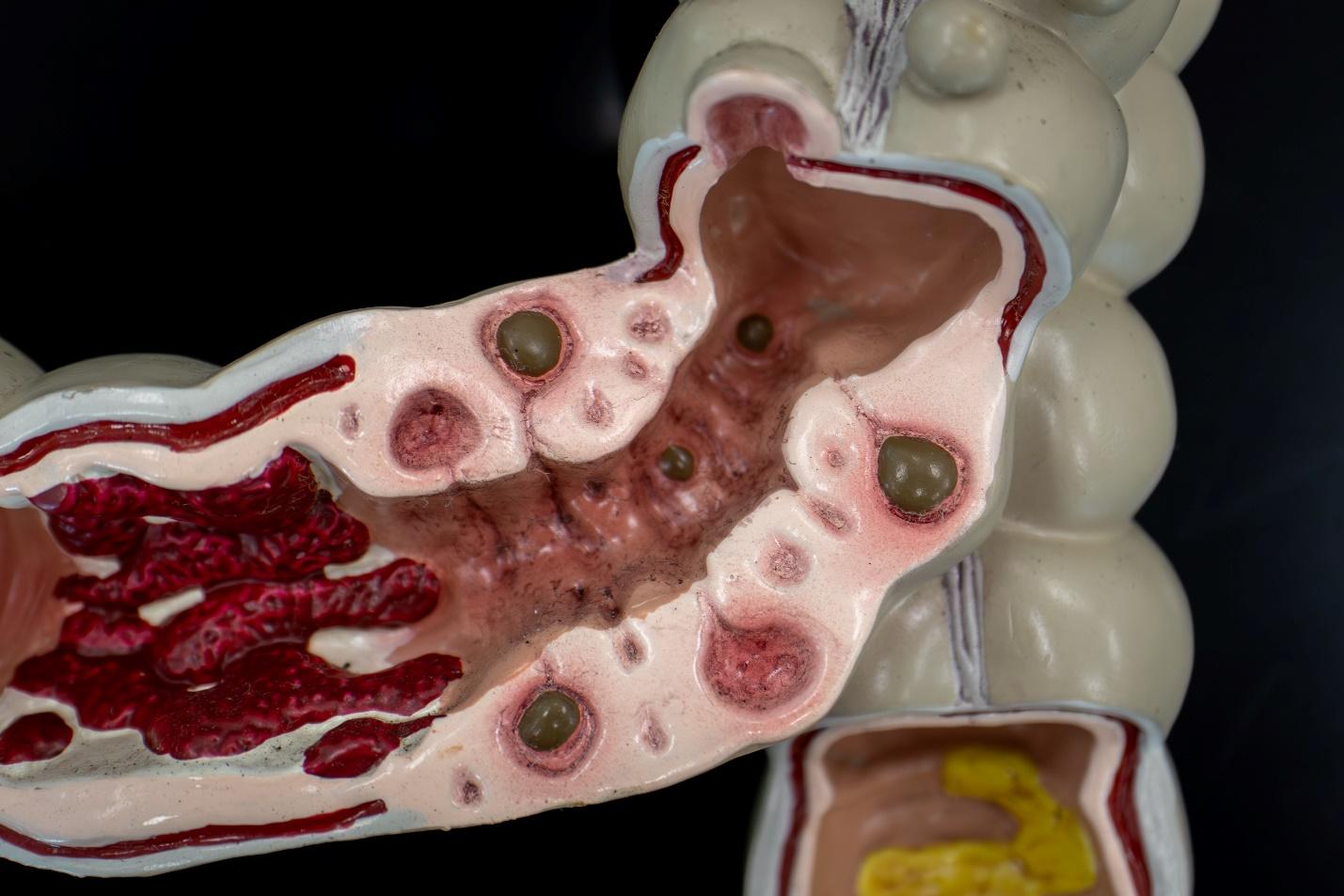
Diverticula most commonly develop in the sigmoid colon. Diverticulitis occurs when one or more of these small pouches become inflamed or infected, leading to abdominal pain and other digestive symptoms.
The condition develops when diverticula become irritated, inflamed or infected. While the exact trigger is not always clear, several factors may contribute to the process:
- Faecal trapping– stool material may become lodged within a diverticulum, contributing to irritation and bacterial overgrowth
- Changes in the gut microbiome– alterations in intestinal bacteria may influence inflammation within the colon
- Age-related weakening of the bowel wall– structural changes in the colon may increase the likelihood of diverticular disease over time
- Chronic pressure within the colon– increased pressure during bowel movements may contribute to diverticula formation and subsequent inflammation
- Lifestyle and dietary factors– low fibre intake, obesity and physical inactivity have been associated with a higher risk of diverticular disease and complications
What are the symptoms of diverticulitis?
Persistent lower abdominal pain, fever and bowel habit changes may indicate diverticulitis.
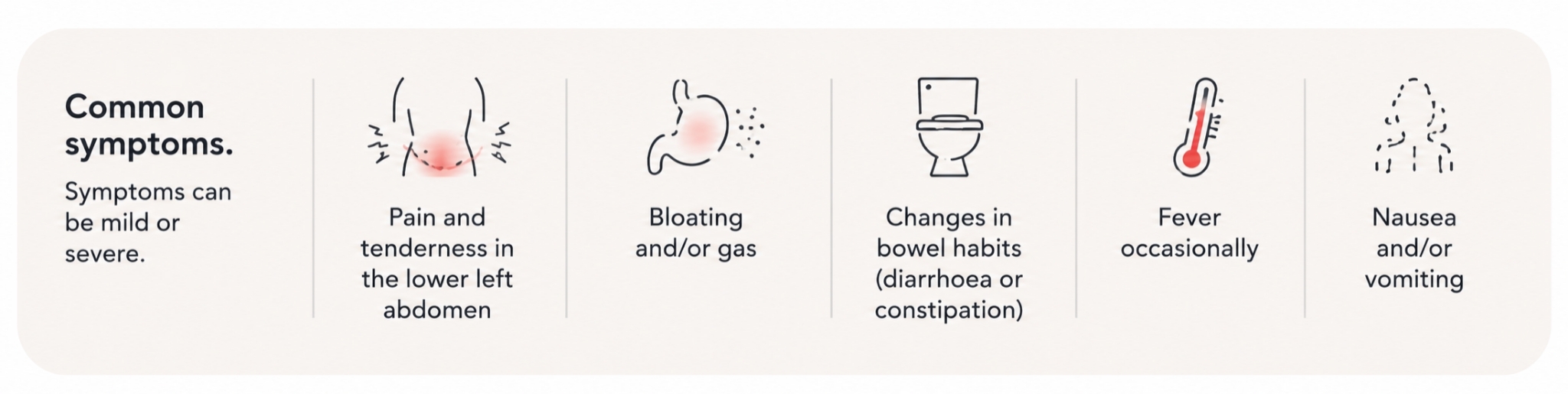
Symptoms vary depending on the severity of inflammation, but commonly include:
- Lower abdominal pain– typically affecting the left lower side of the abdomen and often persistent rather than intermittent
- Fever– may occur when inflammation or infection becomes more significant
- Nausea or vomiting (link to nausea and vomiting)– can develop in some patients, particularly during acute episodes
- Changes in bowel habits– constipation (link to constipation), diarrhoea (link to diarrhoea) or alternating bowel patterns may occur
- Abdominal bloating (link to bloating and excessive gas)– inflammation can contribute to abdominal distension and discomfort
Who is at risk of diverticulitis in the Philippines?
Although diverticulitis can affect adults of different ages, certain factors may increase the likelihood of developing the condition.
These include:
- Increasing age– diverticular disease becomes more common as the colon undergoes age-related structural changes
- Medication – regular use of certain medications, like non-steroidal anti-inflammatory drugs (NSAIDs), steroids, which are immunosuppressive medications, can increase the risk of inflammation
- Low dietary fibre intake– diets low in fibre may contribute to harder stools and increased pressure within the colon
- Obesity– excess body weight has been associated with a higher risk of diverticulitis and recurrent episodes
- Physical inactivity– lower levels of regular exercise may contribute to poorer bowel function and increased diverticular complications
- Smoking– smoking has been associated with more severe diverticular disease and a higher risk of complications
What complications can diverticulitis cause?
Severe or recurrent diverticulitis may lead to complications such as abscesses, perforation or bowel obstruction if it is left untreated.
If inflammation becomes severe or recurrent, diverticulitis may lead to complications involving the bowel and surrounding tissues.
This may include:
- Abscess formation– localised pockets of infection may develop around the inflamed diverticulum
- Fistula formation– abnormal connections may develop between the bowel and nearby organs, such as the bladder
- Perforation– a hole in the bowel wall can allow intestinal contents to leak into the abdominal cavity
- Peritonitis– widespread infection and inflammation of the abdominal lining following perforation
- Bowel obstruction– repeated inflammation and scarring may narrow the colon and affect bowel function
- Recurrent diverticulitis– some individuals experience repeated episodes requiring ongoing management
How is diverticulitis diagnosed in Singapore?
Several digestive conditions can resemble diverticulitis, including:
Because symptoms of diverticulitis may overlap with those of other conditions, such as appendicitis, gastroenteritis or colitis, it is important to have it assessed by an experienced doctor.
Dr Aaron Poh typically leads the assessment by:
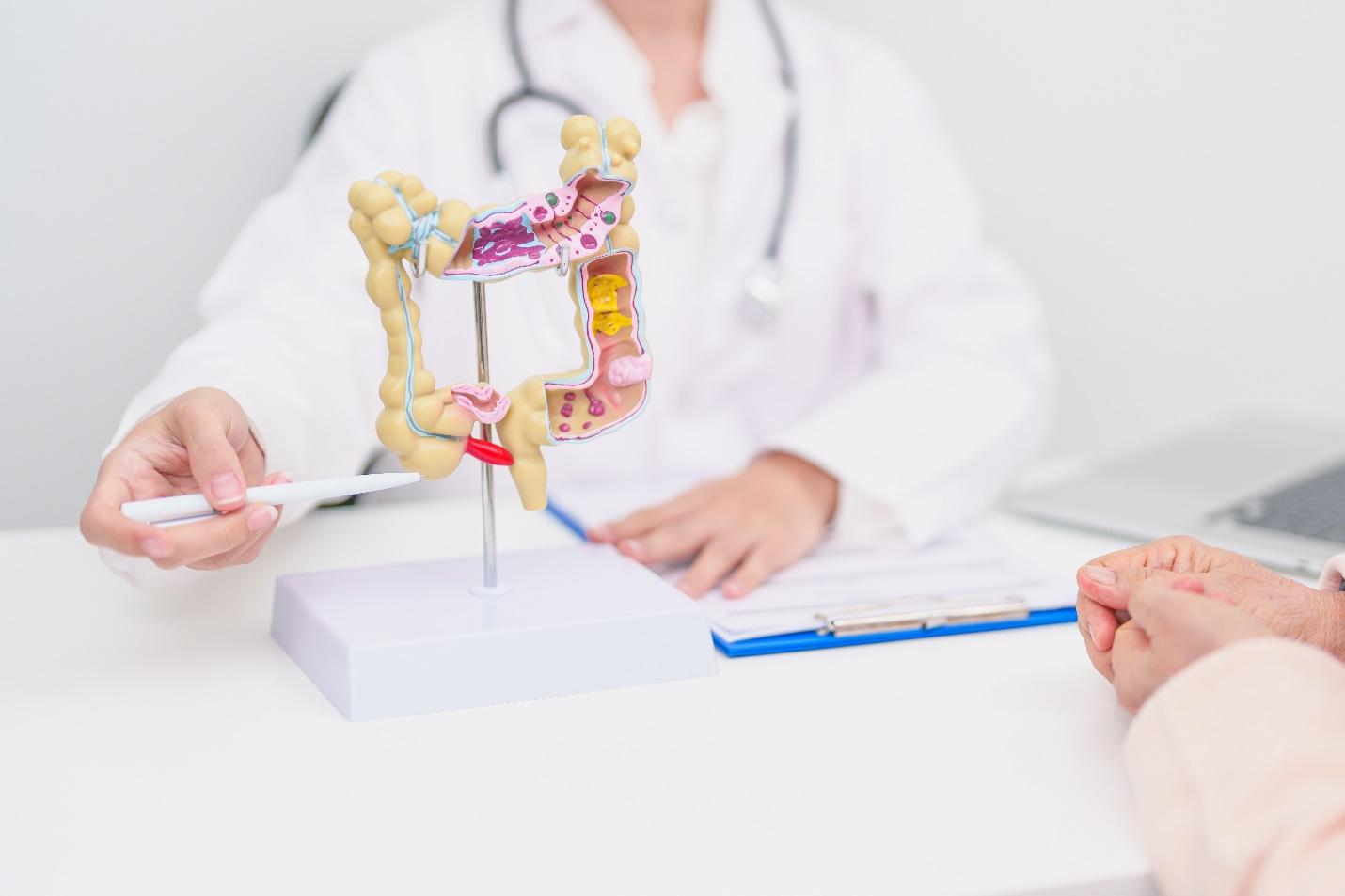
- Clinical evaluation and symptom review– helps identify characteristic symptom patterns and assess severity
- Physical examination– evaluates areas of tenderness, abdominal swelling and signs of complications
- Blood investigations– may identify infection, inflammation or dehydration
- Computed Tomography (CT) scan– commonly used to confirm diverticulitis and assess the extent of inflammation or complications
- Ultrasound imaging– may be used in selected situations to evaluate abdominal symptoms
- Colonoscopy sometimes recommended after recovery to assess the colon and exclude other underlying conditions
How is diverticulitis treated?
Treatment depends on the severity of inflammation and may range from medication to drainage procedures or surgery.
Treatment depends on the severity of inflammation, the presence of complications and whether episodes are recurrent.
Non-surgical treatment
- Antibiotics– may be used when bacterial infection is suspected or confirmed
- Pain management– helps reduce abdominal discomfort during recovery
- Dietary modification– temporary dietary adjustments may allow the bowel to rest during acute inflammation
- Hydration support– helps prevent dehydration associated with reduced oral intake or bowel symptoms
Interventional and surgical treatment
- Abscess drainage– when diverticulitis causes a collection of infected fluid (abscess), image-guided drainage may be performed to remove the infection and reduce the risk of further complications.
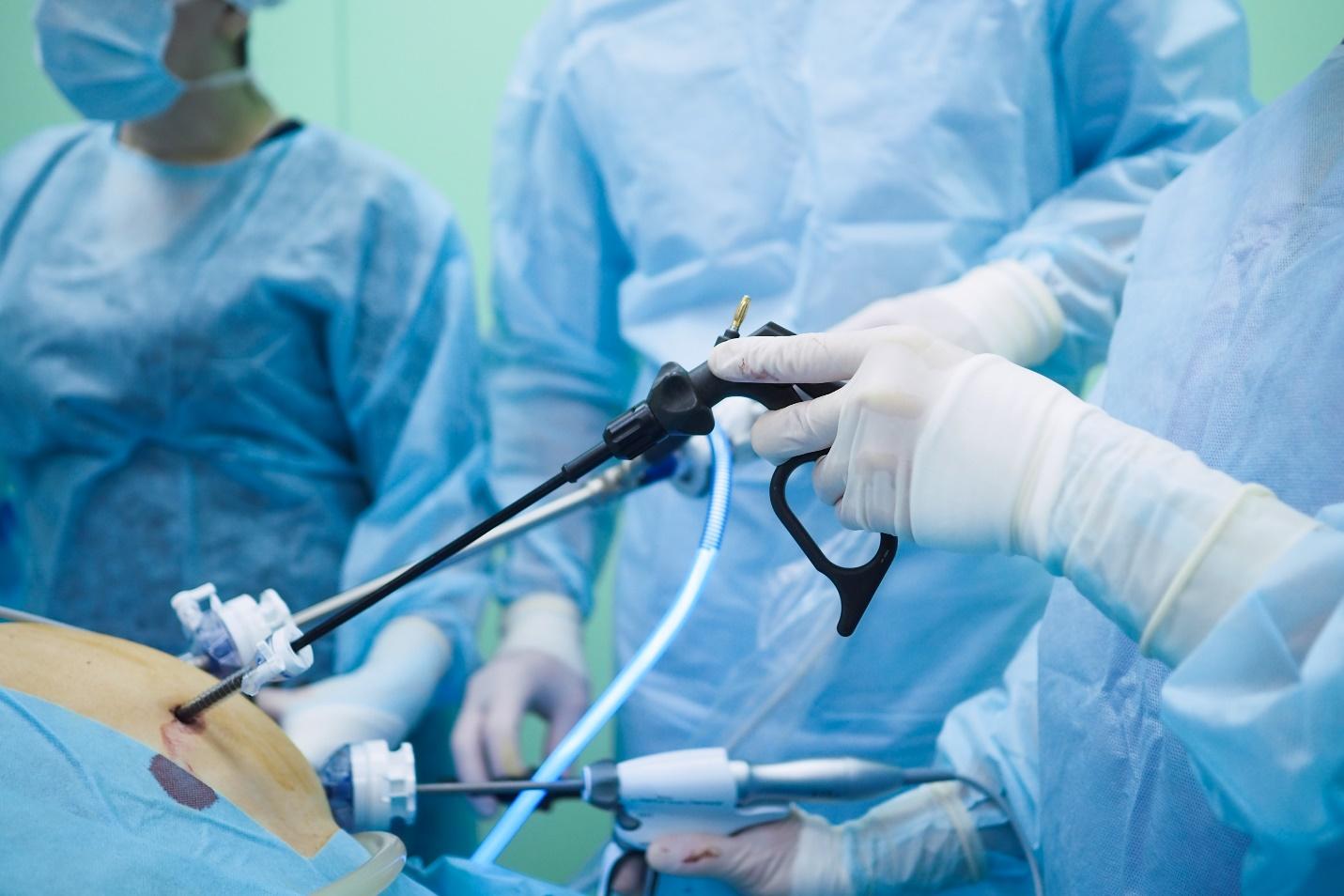
- Surgical treatment– surgery may be recommended for recurrent diverticulitis, bowel perforation, fistulas, obstruction or severe disease that does not respond adequately to conservative treatment. The affected segment of bowel is removed to eliminate the source of ongoing inflammation and complications.
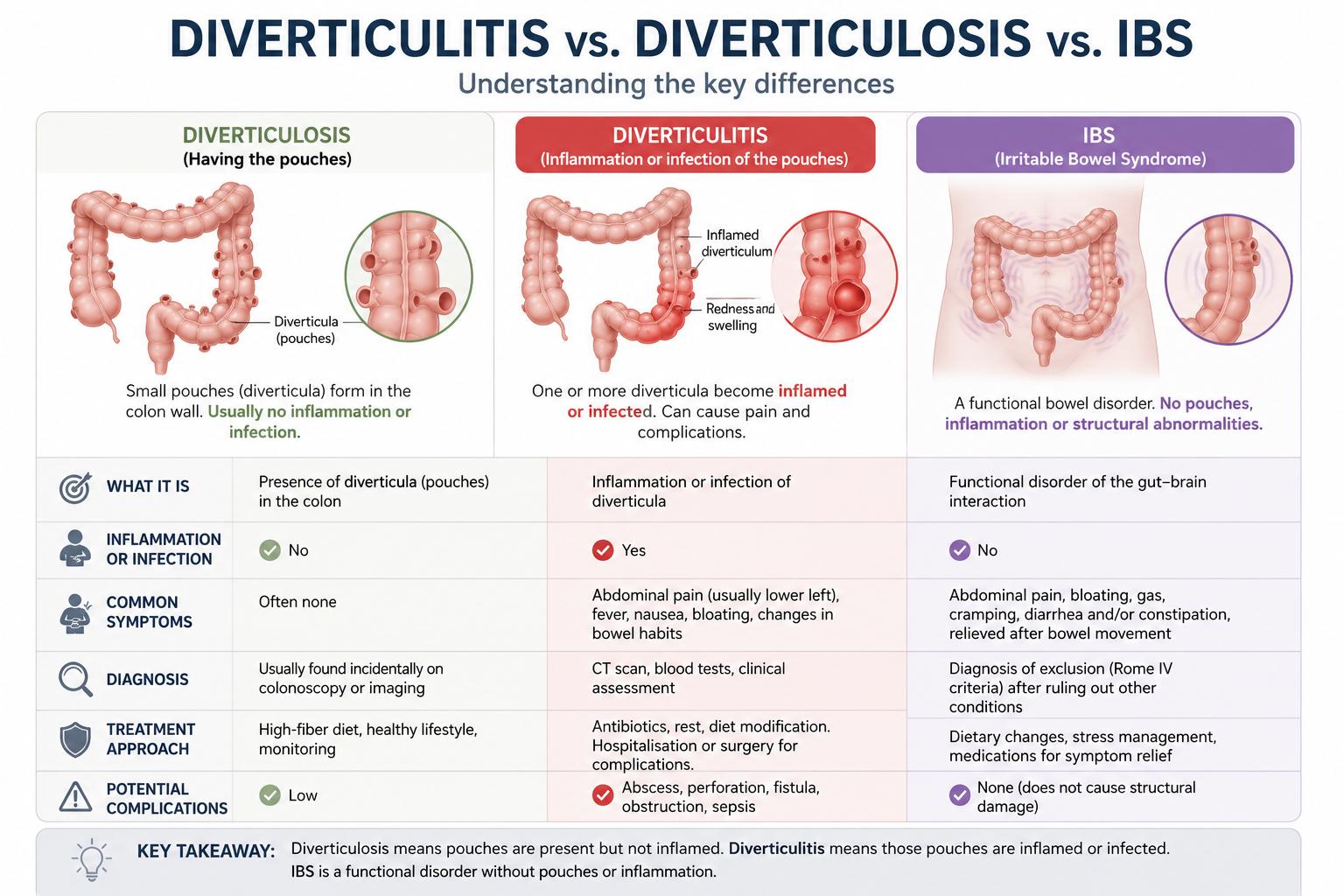
Diverticulitis vs Diverticulosis vs Irritable Bowel Syndrome (IBS)
Although diverticulitis, diverticulosis and irritable bowel syndrome (IBS) can cause similar digestive symptoms, they are distinct conditions with different underlying causes, diagnostic approaches and treatment strategies.
In the Philippines, recurring abdominal pain, bloating or altered bowel habits are often attributed to "sensitive stomach," IBS or digestive infections. However, diverticulitis, diverticulosis and irritable bowel syndrome are distinct conditions with different causes and treatment approaches.
FEATURE | DIVERTICULITIS | DIVERTICULOSIS | IBS |
Definition | Inflamed or infected diverticula | Presence of diverticula without inflammation | Functional bowel disorder |
Pain | Often persistent and localised | Usually absent | Common but variable |
Fever | May occur | No | No |
Inflammation | Present | Absent | Absent |
CT findings | May show bowel inflammation | Diverticula present without inflammation | Usually normal |
Complications | Possible | Usually none | Does not cause bowel damage |
Treatment focus | Controlling inflammation and complications | Prevention and bowel health | Symptom management |
Coming to Singapore for diverticulitis evaluation
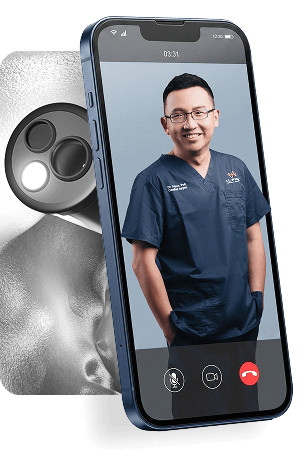
For patients travelling from the Philippines, the journey often begins before you arrive in Singapore. Where appropriate, an online teleconsultation may be arranged to review your symptoms, previous medical history and any available investigations, helping determine whether travel for further assessment or treatment is recommended.
Patients are encouraged to share previous CT scans, colonoscopy reports, discharge summaries, medication records and other relevant medical documents before the consultation. Reviewing these records in advance may help the team better understand your condition and avoid unnecessary repeat investigations where appropriate.
Once your travel plans are confirmed, our care team will assist with coordinating your consultation and investigations, helping ensure your visit is as smooth and efficient as possible. Depending on your clinical situation, further imaging, specialist assessment and treatment planning can often be arranged during the same trip.
For patients who have experienced recurrent flare-ups, persistent symptoms or uncertainty regarding their diagnosis, this coordinated approach can provide greater clarity regarding the severity of the disease and the most appropriate management plan.
Your care experience at Alpine Surgical Practice
Care focuses on confirming the diagnosis, assessing disease severity and developing an appropriate treatment plan.
Recurring abdominal pain can become disruptive, particularly when episodes begin affecting work, travel plans and daily routines.
At Alpine Surgical Practice, Dr Aaron Poh carefully reviews your symptoms, previous episodes, medical history and prior investigations to determine whether diverticulitis is the underlying cause and whether further evaluation is required.
For patients travelling from the Philippines, obtaining a clearer diagnosis may help reduce uncertainty, prevent repeated flare-ups from being managed as isolated events and allow a more structured long-term treatment approach.
If you have experienced recurrent attacks of diverticulitis, persistent abdominal pain or repeated hospital visits without a clear long-term management plan, arranging an appointment may help provide greater diagnostic clarity and a more structured treatment strategy moving forward.