20+ years
of experience
5000+ scopes performed
Fellowship-trained colorectal surgeon
500+ filipinos treated in singapore

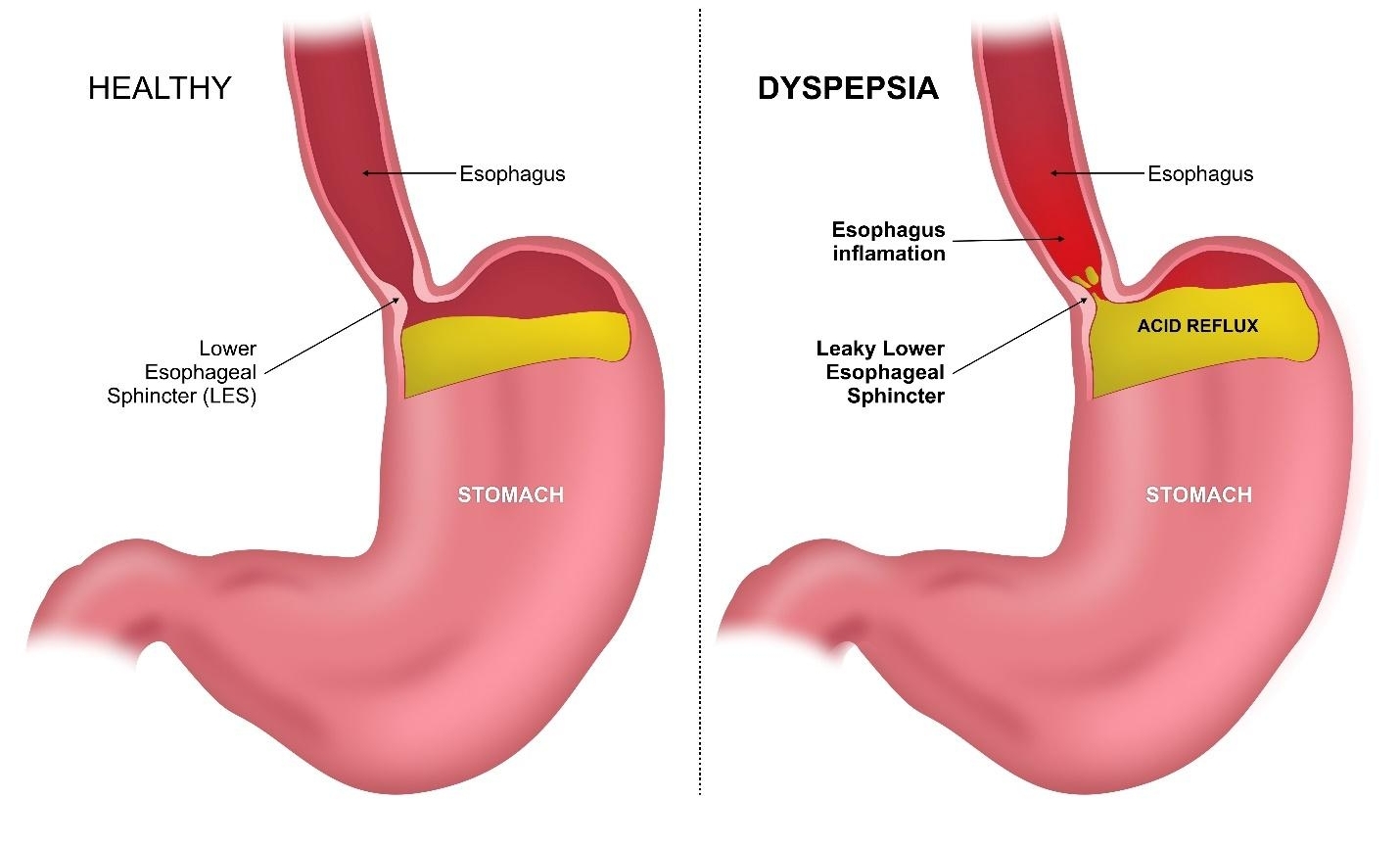
Functional dyspepsia is a chronic digestive condition that causes recurring upper abdominal discomfort without any visible structural abnormality found during investigations such as endoscopy or imaging.

Many patients describe it as having a “sensitive stomach”, where symptoms continue despite repeated tests appearing normal.

Why does functional dyspepsia happen?

The condition is believed to result from disturbances in stomach function rather than structural disease.

This includes:

  • Increased sensitivity of the stomach lining – the stomach becomes unusually sensitive to normal stretching, acid or digestion, causing discomfort, bloating (link to bloating & excessive gas) or pain even when no visible disease is present
  • Altered gut–brain signalling – communication between the digestive system and the brain becomes dysregulated, causing normal digestive sensations to feel exaggerated or uncomfortable
  • Delayed stomach emptying – food moves through the stomach more slowly than usual, leading to prolonged fullness, heaviness, bloating or nausea (link to nausea & vomiting) after meals
  • Previous gastrointestinal infections – some individuals develop ongoing digestive sensitivity after recovering from food poisoning or stomach infections, even after the infection itself has resolved
  • Stress and anxiety – psychological stress can affect stomach movement, acid regulation and gut sensitivity, which may trigger or worsen digestive symptoms over time
  • Food-related triggers – certain foods, such as oily, spicy or heavily processed meals, may irritate the digestive system or worsen stomach sensitivity in susceptible individuals

In busy urban environments, irregular meal timing, sleep disruption, stress and long-term dietary habits may worsen symptoms over time.

For some patients, symptoms fluctuate significantly. There may be periods of improvement followed by flare-ups triggered by stress, travel, oily meals, caffeine or poor sleep.

Dr Aaron Poh

Consultant Surgeon
& Colorectal Specialist
Alpine Surgical Practice · Singapore
book consult

International Support

From your first consultation to your flight home, our team helps coordinate every step of your visit.
book now

What are the symptoms of functional dyspepsia?

Functional dyspepsia often causes recurring bloating, fullness and upper abdominal discomfort without obvious structural disease.

In many patients from the Philippines, these symptoms are initially attributed to “hyperacidity”, stress, irregular meals or gastric irritation. Some individuals self-medicate repeatedly with antacids or acid suppression medications before seeking further specialist evaluation.

The common symptoms may include:

  • Upper abdominal discomfort or burning– often felt around the upper central abdomen, particularly after meals
  • Feeling bloated after meals– even after eating relatively small portions
  • Early fullness when eating– becoming full unusually quickly during meals
  • Nausea– sometimes accompanied by reduced appetite or food aversion
  • Heaviness or discomfort after meals– a lingering sensation of pressure, tightness or indigestion

Unlike ulcers or gastritis, functional dyspepsia does not involve visible damage to the stomach lining. Instead, the problem relates more to how the stomach functions and processes sensations.

Who is at risk of developing functional dyspepsia in the Philippines?

Functional dyspepsia can affect adults of all ages, but certain lifestyle, dietary and medical factors may increase the likelihood of developing persistent symptoms.

These risk factors may include:

  • Irregular meal schedules– skipping meals or eating late at night may disrupt stomach emptying and digestive regulation
  • Frequent consumption of oily, spicy or heavily processed foods– these foods may aggravate stomach sensitivity and bloating in susceptible individuals
  • High stress levels and poor sleep– emotional stress can influence gut–brain signalling and worsen digestive symptoms over time
  • Previous gastrointestinal infections– some patients develop persistent indigestion symptoms following stomach infections or food poisoning
  • Anxiety-related digestive sensitivity– individuals with heightened stress responses may experience stronger stomach discomfort (stomach pain and discomfort) despite normal investigations
  • Long-term “hyperacidity” symptoms without a clear diagnosis– repeated self-medication without proper evaluation may delay identification of functional dyspepsia
Now accepting patients from the Philippines

Ready to take the first step?

Start with a video call
to discuss your symptoms, or get our free trip planning checklist to prepare for your visit to Singapore.

Why accurate diagnosis matters

Colitis can affect people of different ages, although certain medical, lifestyle and environmental factors may increase the likelihood of developing bowel inflammation.

Persistent indigestion symptoms may require specialist evaluation to exclude structural digestive disease.

One of the challenges with functional dyspepsia is that its symptoms often overlap with other digestive conditions, such as:

  • Gastritis
  • Acid reflux (link to heartburn & reflux)
  • Peptic ulcer disease
  • Gallstones
  • Food intolerance

In some cases, persistent symptoms may also create concern about more serious conditions such as stomach cancer. Because of this overlap, proper medical evaluation is important before confirming a diagnosis of functional dyspepsia.

The assessment may involve:

  • Clinical evaluation and symptom review – to understand symptom patterns, meal-related triggers and warning signs that may suggest other digestive conditions
  • Blood investigations – to assess for anaemia, infection, inflammation or metabolic abnormalities
  • Helicobacter pylori testing – to detect bacterial infection associated with gastritis and peptic ulcer disease
  • Gastroscopy (upper endoscopy) – to examine the oesophagus, stomach and duodenum for ulcers, inflammation or structural abnormalities
  • Imaging studies in selected patients– such as ultrasound or computed tomography (CT) scan when symptoms overlap with gallbladder, pancreatic or other abdominal conditions

When should persistent indigestion symptoms be assessed?

Many people experience occasional indigestion. However, further evaluation becomes important when symptoms:

  • Persist despite medication
  • Recur frequently
  • Interfere with eating or daily activities
  • Cause anxiety or reduced quality of life
  • Wake you from sleep
  • Occur together with weight loss or vomiting

Medical assessment is especially important if symptoms are associated with:

  • Difficulty swallowing
  • Black stools or gastrointestinal bleeding
  • Persistent vomiting
  • Unintentional weight loss
  • Anaemia
  • Family history of stomach cancer

These features may require more urgent investigation.

How is functional dyspepsia treated?

The treatment is tailored according to the symptom pattern, severity and contributing triggers. In many cases, improving symptoms requires a combination of digestive management, lifestyle adjustment and long-term symptom control strategies.

Lifestyle and dietary management

  • Dietary adjustments– reducing trigger foods such as oily meals, spicy food, caffeine or heavily processed foods that may worsen symptoms
  • Meal timing modification– eating smaller, more regular meals may help reduce bloating, fullness and stomach discomfort
  • Stress and sleep management– improving sleep quality and reducing stress may help regulate gut–brain signalling and symptom flare-ups

Medication-based treatment

  • Acid suppression medication– medications such as proton pump inhibitors (PPIs) may help reduce upper abdominal burning or acid-related symptoms
  • Prokinetics– medications that support stomach emptying and reduce post-meal fullness or bloating
  • Neuromodulators– selected medications used in lower doses to reduce heightened stomach sensitivity and improve gut–brain signalling

Many patients improve gradually when treatment addresses both digestive symptoms and contributing lifestyle factors. Because symptoms vary significantly between individuals, treatment is often adjusted progressively based on response over time.

Treatment focuses on improving stomach function and reducing symptom triggers over time.

Functional dyspepsia vs gastritis: why many patients confuse both

In the Philippines, persistent indigestion is often broadly labelled as “hyperacidity” or gastritis. However, many patients continue experiencing symptoms despite repeated acid medications because the underlying condition may actually be functional dyspepsia rather than inflammation of the stomach lining.

The overlap in symptoms can make both conditions difficult to distinguish without proper evaluation.

FEATURE

FUNCTIONAL DYSPEPSIA

GASTRITIS

Underlying issue

Abnormal stomach function and sensitivity

Inflammation of the stomach lining

Endoscopy findings

Usually normal

May show redness, inflammation or erosions

Common symptoms

Bloating, fullness, upper abdominal discomfort

Burning pain, nausea and indigestion

Relationship to stress

Symptoms commonly worsen with stress and poor sleep

Stress may aggravate symptoms, but inflammation is present

Treatment focus

Gut–brain regulation and stomach function

Treating inflammation and underlying causes

Long-term pattern

Often fluctuates with flare-ups

Depends on the cause and severity of inflammation

Living with functional dyspepsia

The good news is that functional dyspepsia is not considered life-threatening, but persistent symptoms can significantly affect daily quality of life.

That is why many patients experience:

  • Anxiety surrounding meals
  • Fear of symptom flare-ups
  • Reduced appetite
  • Sleep disturbance
  • Work and travel disruption
  • Ongoing frustration despite “normal” tests

For some individuals, the uncertainty itself becomes emotionally exhausting, especially after multiple consultations or inconclusive investigations. However, understanding that functional dyspepsia is a recognised medical condition, rather than “just stress” or “just acidity,” often helps patients approach treatment more constructively.

Planning your visit from the Philippines

If you are travelling from the Philippines for treatment, arrangements can be made with Alpine Surgical Practice before your trip to help ensure a smooth and efficient experience.

Teleconsultation before travel

An online consultation with Dr Aaron Poh can be arranged before you arrive in Singapore. This provides an opportunity to discuss your symptoms, review your medical history, and assess any previous test results in advance. With a better understanding of your condition beforehand, any necessary investigations or appointments can be planned more effectively, helping you make the most of your time in Singapore.

To prepare for your teleconsultation, you may wish to have the following information available:

  • A summary of your symptoms and when they began
  • Previous medical records or investigation results, such as blood tests, stool tests, colonoscopy reports, or imaging studies
  • A list of your current medications, including biologic therapies or immunosuppressive treatments
  • Any questions or concerns you would like to discuss with Dr Aaron

Appointment coordination and travel assistance

The team at Alpine Surgical Practice can assist with coordinating the practical aspects of your visit. This includes helping to schedule consultations, investigations, and follow-up appointments within your planned stay, as well as providing information on what to expect during your treatment journey.

Patients are encouraged to contact the clinic ahead of time so that appointments and investigations can be arranged around their travel dates whenever possible, ensuring a more seamless experience during their visit to Singapore.

Your care experience at Alpine Surgical Practice

At Alpine Surgical Practice, evaluation begins with understanding the full pattern of your symptoms, including meal-related triggers, previous treatments, stress factors and prior investigations. This helps determine whether symptoms are more consistent with functional dyspepsia or whether additional assessment may still be required.

Dr Aaron Poh carefully reviews each patient’s digestive history to ensure treatment recommendations are clinically appropriate, targeted and practical for long-term symptom control.

If you have persistent upper abdominal discomfort, bloating or recurring indigestion symptoms despite previous treatment, early specialist assessment can help provide greater clarity and a more structured management approach.

Care focuses on understanding persistent digestive symptoms rather than treating symptoms in isolation.

Frequently Asked Questions (FAQs)

Everything you need to know about your medical journey
Functional dyspepsia affects how the stomach functions and processes sensations rather than causing visible structural abnormalities. Symptoms can still be very real and disruptive despite normal scans or endoscopy findings.
Not necessarily. Many patients in the Philippines use these terms interchangeably, but functional dyspepsia differs because symptoms occur without visible inflammation, ulcers or structural disease.
Yes, stress, anxiety, sleep disruption and emotional strain can affect gut–brain signalling and increase stomach sensitivity, leading to symptom flare-ups.
Common triggers may include oily meals, spicy food, caffeine, alcohol, heavily processed foods and large late-night meals. However, triggers vary from person to person.
Gastroscopy may be recommended if symptoms persist, recur frequently or are associated with warning signs such as weight loss, anaemia, vomiting or gastrointestinal bleeding.
The diagnosis is usually made after excluding structural digestive diseases through clinical evaluation, investigations and sometimes gastroscopy or imaging studies.
Functional dyspepsia itself does not cause stomach cancer. However, proper evaluation is important because some digestive conditions can initially present with similar symptoms.
Many patients seek more coordinated digestive assessment after prolonged symptoms, repeated medications or inconclusive investigations. Access to specialist review, gastroscopy and imaging within a shorter timeframe may provide clearer answers and a more structured management plan.
The required stay depends on whether investigations such as gastroscopy are needed. Many patients can complete consultation and investigations within a relatively short visit.
Yes, many patients experience gradual improvement when treatment combines dietary modification, medication, stress management and long-term symptom monitoring.
Seek prompt medical attention if symptoms are associated with vomiting blood, black stools, persistent vomiting, difficulty swallowing, significant weight loss or worsening abdominal pain.

Dr Aaron Poh

Consultant Surgeon & Colorectal Specialist
Alpine Surgical Practice · Singapore
Meet our doctor

About Dr Aaron Poh

Dr Aaron Poh is a fully accredited General Surgeon with dual subspecialties in Colorectal Surgery and Trauma Surgery, recognised by Singapore’s Specialist Accreditation Board and Ministry of Health. He is the Medical Director of Alpine Surgical Practice, with clinics located at Mount Elizabeth Hospital, Parkway East Hospital, and Farrer Park Hospitals.

Dr Aaron Poh has extensive experience, having performed over 5,000 endoscopic procedures. He is a strong advocate for early detection through colonoscopy, particularly for individuals at risk of colorectal cancer. His expertise includes advanced endoscopic techniques such as Endoscopic Mucosal Resection (EMR) for complex polyps and colonic stenting for obstructed cancers, which help patients avoid major emergency surgery.

When surgery is required, he specialises in minimally invasive laparoscopic colorectal cancer surgery, offering patients faster recovery with less pain and scarring. In addition to cancer care, he manages a wide range of anal conditions including haemorrhoids, fistulas, fissures, and abscesses, providing comprehensive colorectal treatment.

book consult

Copyright © Alpine Surgical Practice |  Terms & Conditions