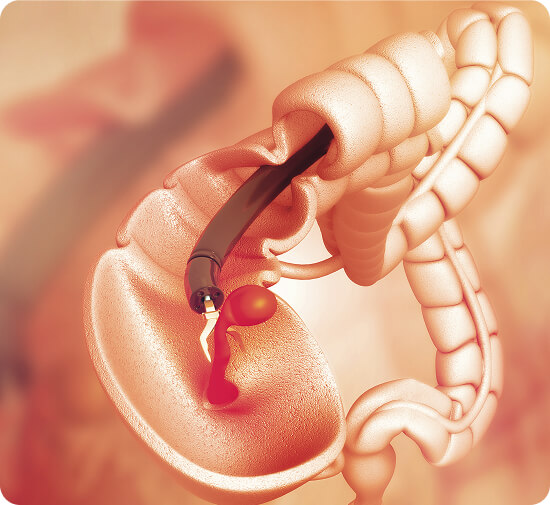
A colonoscopy, or ang pagsusuri ng colon, is a procedure that uses a thin, flexible tube with a camera (colonoscope) to examine the inner lining of the large intestine (colon and rectum).
Unlike imaging tests, colonoscopy provides direct visualisation, allowing your specialist to identify abnormalities such as polyps, inflammation or early cancers with high accuracy.
Importantly, colonoscopy is used for both diagnostic and therapeutic purposes. Polyps and certain lesions can be removed during the same procedure, reducing the need for additional interventions.
Colorectal cancer is among the leading causes of cancer-related deaths in the region, with increasing incidence noted in individuals below the age of 50 years. Local registry data have also shown that many cases are diagnosed at a later stage, often after symptoms appear. At the same time, symptoms are often subtle or mistaken for less serious digestive issues, leading to delays in diagnosis.
Colonoscopy remains one of the most effective tools for detecting and preventing colorectal cancer, as it allows precancerous polyps to be identified and removed before they develop further.
For many individuals, screening plays a key role in early detection and prevention, even in the absence of symptoms.
For patients seeking a more comprehensive evaluation, this approach provides access to:
This ensures that findings are not only identified but also appropriately managed without delay.


The procedure may be advised when symptoms are persistent, unexplained or concerning. These include:
In many cases, these symptoms are initially managed conservatively, which may delay further evaluation. When symptoms persist or recur, direct visual assessment through colonoscopy becomes an important next step.
Colonoscopy is used to diagnose a range of conditions affecting the colon, including:
Because these conditions can develop silently, colonoscopy provides an opportunity for early identification and intervention.


Colonoscopy is typically completed within 17 to 30 minutes and is performed under sedation for patient comfort.
You will be given bowel preparation instructions to cleanse the colon. This step is essential to ensure clear and accurate visualisation during the examination.
The procedure is carried out in a structured and controlled manner:
If abnormalities are detected, treatment such as polyp removal or biopsy can often be performed immediately, reducing the need for additional procedures and streamlining care.

Following the procedure, patients are monitored briefly before being discharged.
You may experience:
These effects are usually short-lived and most patients resume normal activities within 24 hours. A follow-up discussion is arranged to review findings and plan any further care if needed.

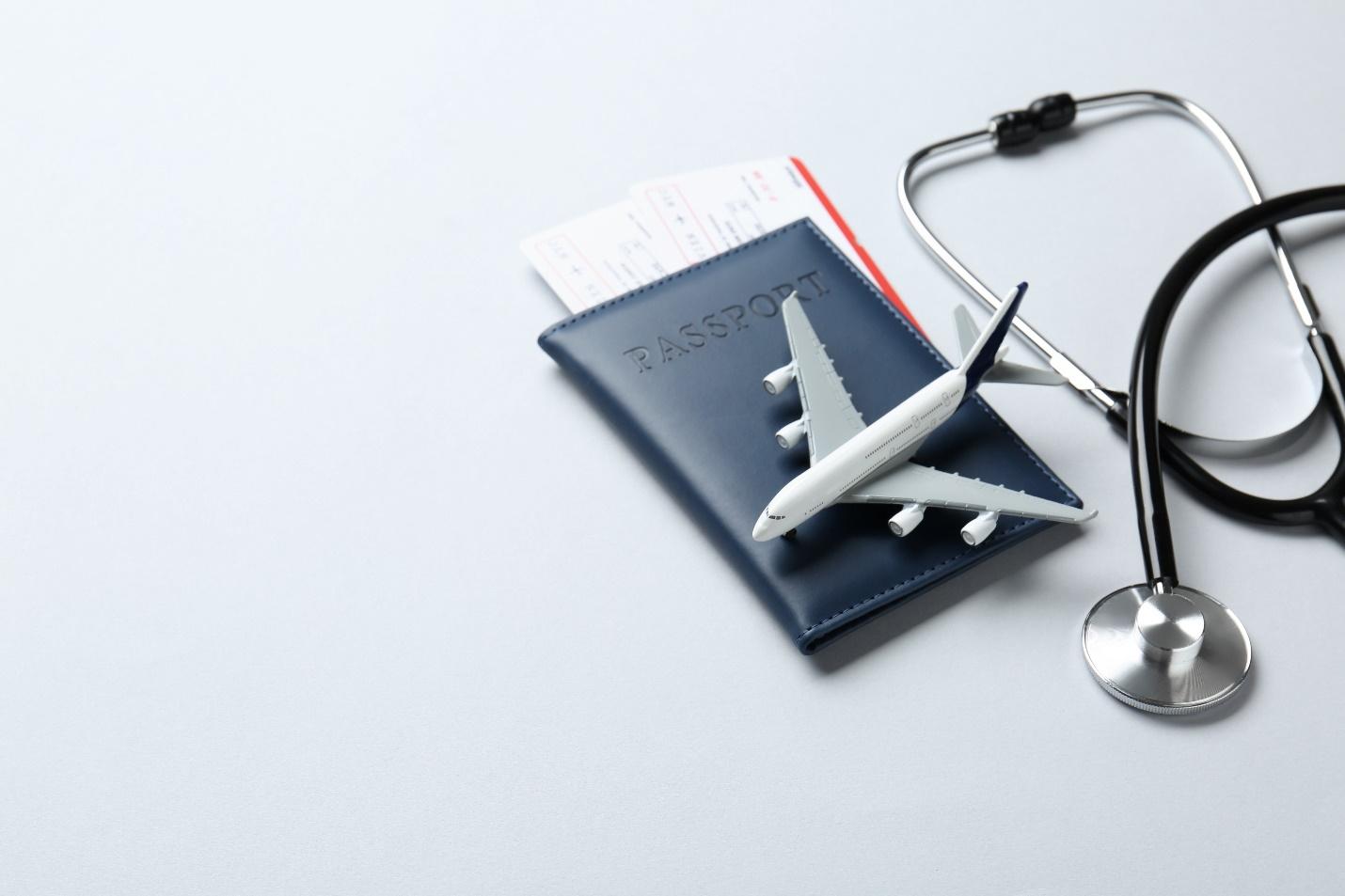
Seeking care in Singapore allows patients from the Philippines to benefit from timely access, specialist expertise and a structured clinical environment. Most patients require only a short stay, as colonoscopy is performed as a day procedure with rapid recovery. Pre-procedure planning and post-procedure guidance are provided to ensure a smooth and efficient experience.
If you are experiencing persistent digestive symptoms or considering screening, arranging an early consultation allows you to move forward with clarity and confidence.
For patients travelling for care, the process is designed to be clear, coordinated and centred around your clinical needs, from initial consultation through to post-procedure follow-up.
An initial consultation can be arranged before travelling from the Philippines, allowing your symptoms, medical history and suitability for colonoscopy to be assessed in advance. This ensures that your trip is purposeful and that the procedure is appropriately indicated.
The colonoscopy is performed in Singapore by Dr Aaron Poh within an accredited establishment setting, followed by a detailed explanation of findings and a personalised management plan. Where further treatment is required, next steps are clearly outlined to support continuity of care.
If you have ongoing digestive symptoms or are considering screening, seeking an early consultation allows you to receive medical guidance, understand your options and plan your care with greater clarity and confidence.

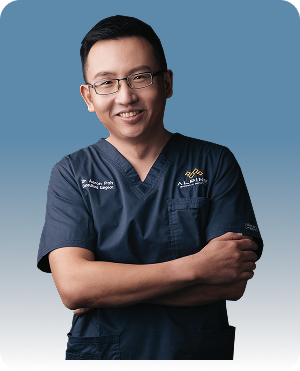
Dr Aaron Poh is a fully accredited General Surgeon with dual subspecialties in Colorectal Surgery and Trauma Surgery, recognised by Singapore’s Specialist Accreditation Board and Ministry of Health. He is the Medical Director of Alpine Surgical Practice, with clinics located at Mount Elizabeth Hospital, Parkway East Hospital, and Farrer Park Hospitals.
Dr Aaron Poh has extensive experience, having performed over 5,000 endoscopic procedures. He is a strong advocate for early detection through colonoscopy, particularly for individuals at risk of colorectal cancer. His expertise includes advanced endoscopic techniques such as Endoscopic Mucosal Resection (EMR) for complex polyps and colonic stenting for obstructed cancers, which help patients avoid major emergency surgery.
When surgery is required, he specialises in minimally invasive laparoscopic colorectal cancer surgery, offering patients faster recovery with less pain and scarring. In addition to cancer care, he manages a wide range of anal conditions including haemorrhoids, fistulas, fissures, and abscesses, providing comprehensive colorectal treatment.
Copyright © Alpine Surgical Practice | Terms & Conditions